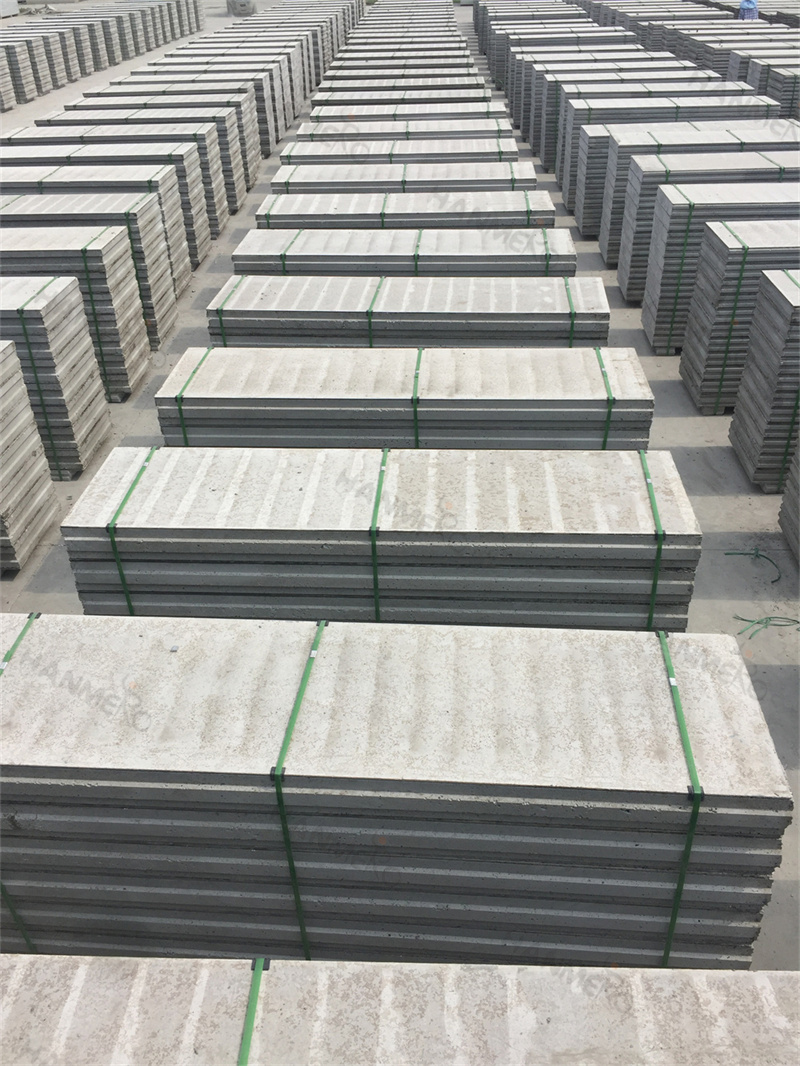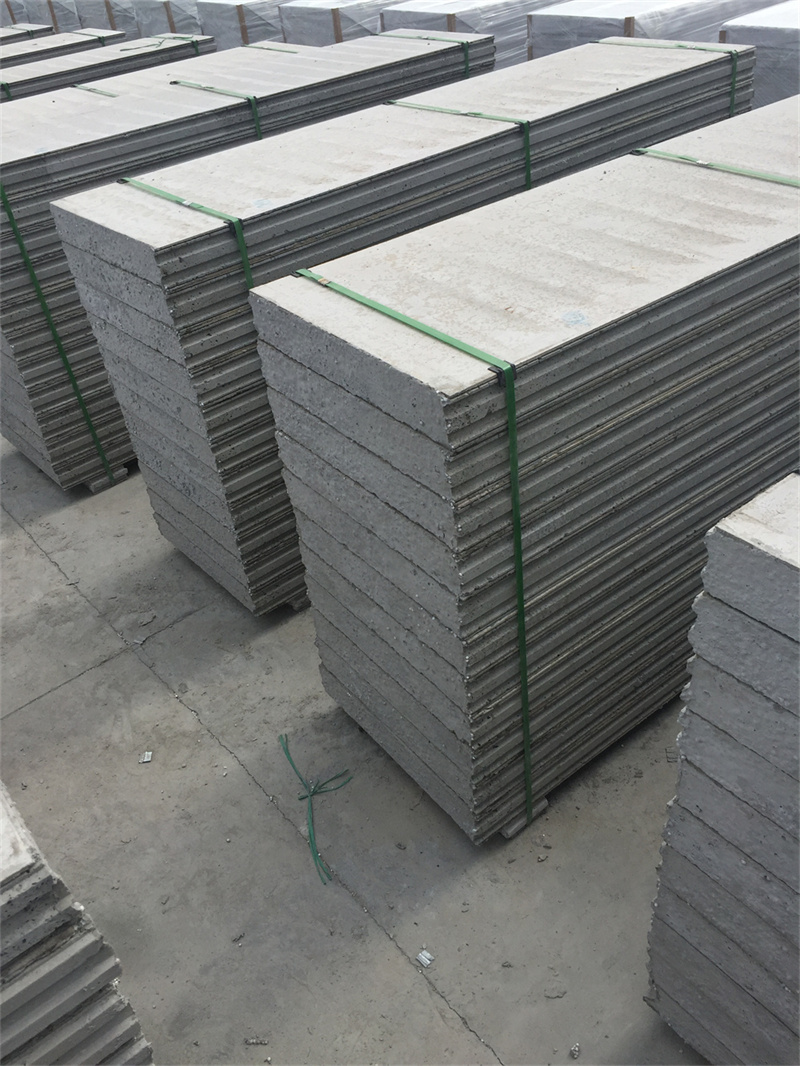
After major natural disasters like earthquakes, typhoons and floods, one of the biggest challenges relief organizations face is delivering safe, durable temporary and permanent housing for displaced communities as quickly as possible. Traditional masonry construction is completely unsuited for these scenarios, because it requires large amounts of skilled labor, heavy building materials and weeks of curing time that disaster response teams simply do not have. EPS cement sandwich panel has emerged as one of the most effective materials for post disaster reconstruction, and it has been used in relief projects across dozens of countries over the last 15 years.
The biggest advantage of EPS cement sandwich panel in disaster zones is its extremely light weight, which makes it very easy to transport to remote locations where roads have been damaged or destroyed. Panels can be carried by small teams of workers without heavy machinery, and they can even be airlifted by helicopter to communities that are completely inaccessible by road. Once on site, teams of 4 to 5 workers can assemble a complete 30 square meter emergency housing unit in less than two days, without needing specialized power tools or large amounts of water for on site concrete mixing. This speed allows relief organizations to house thousands of displaced families in a matter of weeks, rather than the months it would take using traditional building methods.
Unlike temporary shelter solutions made from thin metal sheets or fabric tents, structures built with EPS cement sandwich panel are safe, weather resistant and built to last for decades. The panels are water and flood resistant, so they do not degrade even when submerged for several days after a flood event. They also deliver excellent thermal insulation, keeping indoor temperatures cool in summer and warm in winter without requiring large amounts of additional energy for heating or cooling. Many post disaster reconstruction projects that used EPS cement sandwich panel years ago now have permanent, fully functional community buildings, schools and homes that are still in perfect condition long after the emergency response phase ended.