Category: Blog

Category: Blog

Application of EPS Cement Sandwich Panel in Industrial Fire Wall Construction

In large industrial parks where multiple production workshops and storage warehouses are located close to each other, setting up reliable fire isolation walls is the core measure to prevent a small local fire from spreading into a large-scale disaster, and EPS Cement Sandwich Panel is perfectly suited for this critical application scenario. Its Class A non-combustible performance and 4-hour fire resistance limit can effectively block the spread of high temperature and flames from one fire compartment to another, buying enough time for personnel evacuation and fire fighting operations. Unlike fire walls built with traditional concrete blocks that require long construction periods and heavy structural load, EPS Cement Sandwich Panel fire walls are lightweight, easy to install, and do not require extra foundation reinforcement, making them very suitable for adding fire isolation facilities to existing factories. Many chemical, textile, and food processing factories that have strict fire protection requirements have adopted this panel to build fire walls, and it has successfully helped them pass the strict fire safety assessment and acceptance by local fire departments. The panel will not produce any harmful toxic gas when exposed to fire, avoiding the secondary injury to workers and fire fighters that is common when using other combustible sandwich panel materials. This makes it a safe and compliant choice for industrial fire protection systems.
EPS Cement Sandwich Panel for Villa Construction Creating High End Comfortable Living Spaces

When building private villas that pursue both comfort, safety, and unique design quality, more and more custom home builders are choosing EPS Cement Sandwich Panel as the core wall material to deliver a premium living experience. The panel’s excellent fireproof, waterproof, sound insulation, and thermal insulation properties work together to create a highly stable indoor environment that is not easily disturbed by external climate and noise. Villa owners can enjoy a constant comfortable indoor temperature all year round, no matter how hot the summer or cold the winter is, while being completely free from the noise of outdoor road traffic or neighboring construction work. The panel’s smooth surface after installation can be directly painted, tiled, or decorated with various facing materials, making it very convenient to match any interior design style from modern minimalist to traditional luxury. Its outstanding hanging force of over 1000N allows homeowners to easily install large TV sets, heavy wall cabinets, and decorative artworks on the wall without worrying about the risk of falling off. Even for villas located in mountainous or waterfront areas with high humidity and frequent seismic activities, EPS Cement Sandwich Panel can provide long-term reliable protection, ensuring the villa remains in perfect condition for decades without wall cracking or mold problems.

Energy Saving Performance of EPS Cement Sandwich Panel Cutting Building Operational Costs

Building energy consumption accounts for a large proportion of total social energy use, and choosing a high-performance wall material is the most fundamental way to reduce long-term operational costs, with EPS Cement Sandwich Panel standing out as a top choice for energy-efficient construction. Its core material has an extremely low thermal conductivity, creating an effective thermal insulation barrier that greatly reduces the heat exchange between indoor and outdoor spaces. In summer, it blocks the outdoor high temperature from entering the room, lowering the working load of air conditioning systems; in winter, it locks the indoor heating heat inside, reducing the energy consumption of heating equipment. Many commercial buildings that have adopted EPS Cement Sandwich Panel for exterior walls report that their annual air conditioning and heating energy bills have dropped by more than 30% compared to buildings using traditional wall materials. Unlike some insulation materials that lose their thermal insulation effect after several years of aging, this cement-based panel maintains stable energy-saving performance for more than 70 years, bringing long-term continuous energy cost savings to building owners. It also meets the requirements of national green building evaluation standards, helping projects obtain green building certifications and enjoy relevant policy incentives and tax reductions.

EPS Cement Sandwich Panel for Old Building Renovation Upgrading Old Walls Efficiently

Old residential and commercial buildings built decades ago usually have many common problems: thick heavy walls that reduce usable space, poor thermal insulation that leads to high energy consumption, cracked walls, and outdated fire protection performance, all of which can be effectively improved by using EPS Cement Sandwich Panel in renovation work. Since the panel is lightweight, it will not add extra unbearable load to the old building’s original structure, so builders do not need to carry out complicated and costly structural reinforcement work before the renovation. During the renovation process, workers can directly install the panel on the surface of the old original wall or replace the old damaged partition walls, completing the wall upgrade without generating a large amount of construction waste that troubles traditional renovation projects. The excellent thermal insulation performance of EPS Cement Sandwich Panel can greatly reduce the heating and cooling energy consumption of the old building, helping owners save a lot on utility bills every year. It also upgrades the fire rating and sound insulation effect of the old building to meet modern living standards, extending the service life of the building by decades without the need for a full teardown and reconstruction. For urban renewal projects that pursue both cost-effectiveness and practical effects, this panel has become one of the most popular renovation materials.

How EPS Cement Sandwich Panel Transforms Steel Structure Building Construction Speed

Steel structure buildings are known for their fast main frame installation, but the traditional infill wall construction process often becomes the bottleneck that slows down the entire project progress, and EPS Cement Sandwich Panel perfectly solves this pain point to unleash the full speed advantage of steel structure systems. Each prefabricated panel can be directly fixed to the steel keel with special connectors without the need for brick laying, plastering, or long curing periods, allowing a team of two workers to install more than 20 square meters of wall in a single working day. This means the entire wall enclosure work of a 10,000-square-meter steel structure factory can be completed in just a few weeks, compared to the several months required for traditional block wall construction. The precise prefabrication size of EPS Cement Sandwich Panel also eliminates the on-site cutting and waste problems that trouble traditional wall materials, making the construction site much cleaner and more organized. For steel structure projects that require fast delivery, such as temporary production workshops, emergency medical facilities, and large exhibition venues, using this panel can drastically shorten the whole construction cycle, allowing the building to be put into use much earlier and creating considerable economic benefits for the project owner.

Earthquake Resistant Benefits of EPS Cement Sandwich Panel for Seismic Zone Construction

In areas with frequent seismic activities, reducing the secondary damage caused by collapsing non-structural walls during an earthquake is a key priority for building safety, and EPS Cement Sandwich Panel plays a vital role in enhancing the overall seismic performance of buildings. Since the panel is far lighter than traditional brick walls, it will not generate huge inertial impact force on the main structure when an earthquake occurs, greatly lowering the risk of wall collapse that causes injuries to people inside the building. The flexible connection method between the panel and the main steel structure or concrete frame allows it to absorb part of the seismic energy through slight deformation without breaking apart, maintaining the integrity of the wall even under medium-intensity earthquakes. Many reconstruction projects in seismic-prone regions have chosen this material for new residential and public buildings, as it not only meets the local high seismic design standards but also reduces the overall construction cost by lowering the structural load requirements. Unlike heavy masonry walls that are prone to cracking and collapsing under seismic force, the lightweight and high-toughness characteristics of EPS Cement Sandwich Panel ensure that the building’s interior space remains relatively intact after an earthquake, buying more time for people to evacuate safely and reducing post-disaster repair work to a large extent.

Sound Insulation Features of EPS Cement Sandwich Panel for Quiet Residential Living Environments

In densely populated urban areas, noise from traffic, neighboring households, and public spaces has become one of the biggest factors that reduce residents’ quality of life, and EPS Cement Sandwich Panel creates a quiet private space that traditional thin partition walls cannot match. With a sound insulation performance ranging from 36dB to 50dB, a single panel can effectively block the noise of normal conversations, television sound, and walking footsteps between adjacent rooms, eliminating the embarrassing situation where family members can clearly hear every sound from the next bedroom. For apartment buildings and shared rental housing projects, using EPS Cement Sandwich Panel as interior partitions can greatly improve the living experience of each household, avoiding unnecessary conflicts caused by mutual noise interference. The special composite structure of the panel converts and consumes sound wave energy through multiple layers of different densities, rather than simply relying on wall thickness to block noise, so it can achieve excellent sound insulation effect without occupying too much indoor usable area. This means residents get more actual living space while enjoying a quiet environment, making the panel a favorite choice for developers who focus on high-quality residential product experience.

Waterproof and Moistureproof Advantages of EPS Cement Sandwich Panel for Humid Climate Areas

Buildings located in regions with long rainy seasons or high air humidity often face persistent problems such as wall peeling, mold growth, and internal structural corrosion, and EPS Cement Sandwich Panel offers a long-term solution to these annoying issues. The closed-cell structure of its EPS core material, combined with the dense cement and calcium silicate face panels, creates a wall system that effectively blocks moisture penetration from the outside, preventing rainwater or humid air from seeping into the interior space. Many builders in southern coastal cities have adopted this panel for exterior walls and bathroom partitions, and years of on-site practice have proven that it will not deform, soften, or develop mold spots even after being exposed to high humidity for decades. Unlike traditional aerated concrete blocks that easily absorb water and lose their thermal insulation performance after getting wet, EPS Cement Sandwich Panel maintains stable physical properties even in a humid environment, ensuring that the indoor space stays dry and comfortable all year round. It is also an ideal choice for old building renovation projects in humid areas, as it can solve the long-standing moisture problem of old walls without requiring complicated and time-consuming waterproof treatment layers.

Fireproof Performance of EPS Cement Sandwich Panel A Game Changer for Industrial Building Safety

For industrial buildings that often store flammable raw materials and house high-power production equipment, fire safety is never a secondary consideration, and EPS Cement Sandwich Panel delivers outstanding protection that far outperforms common lightweight wall materials on the market. With a Class A fire rating and the ability to resist 1000℃ high temperature for up to 4 hours, this panel does not release any toxic fumes even when exposed to extreme heat, eliminating the hidden danger of dense poisonous smoke that causes most casualties in building fires. Many factory owners have switched to EPS Cement Sandwich Panel to build fire isolation walls, dividing large production workshops into independent fire compartments that can effectively stop the spread of flames in case of an accident. Unlike ordinary EPS foam sandwich panels that are purely wrapped in color steel plates, the cement-based core and calcium silicate face panels of this product prevent hidden burning inside the sandwich layer, ensuring that the fire cannot spread through invisible gaps in the wall. For industrial facilities that need to meet strict fire protection codes, this panel not only helps pass safety inspections easily but also provides long-term reliable protection for production staff and valuable equipment stored inside the building.

Why EPS Cement Sandwich Panel Is the Go-To Lightweight Wall Material for Modern Construction

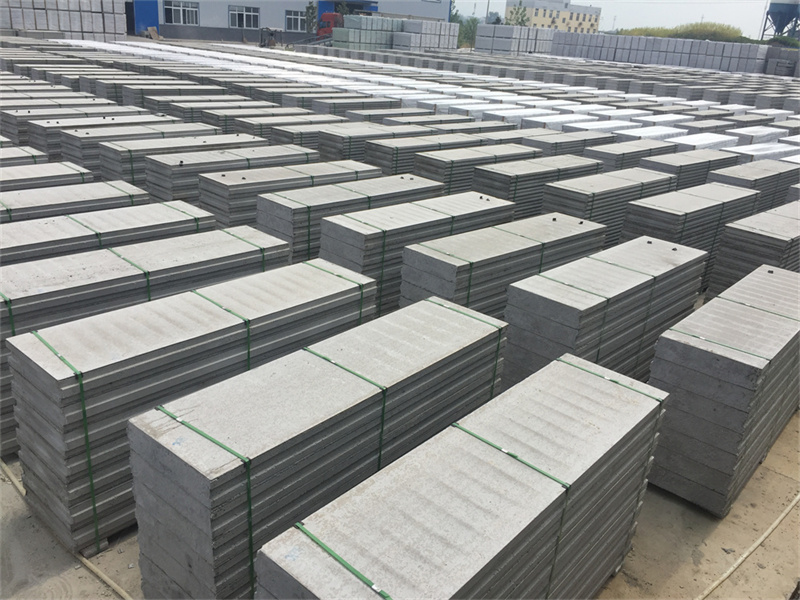
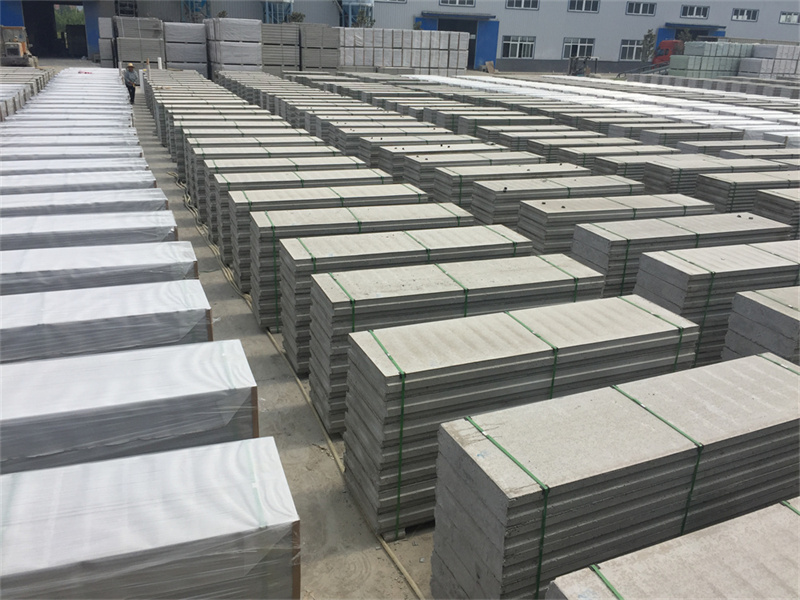
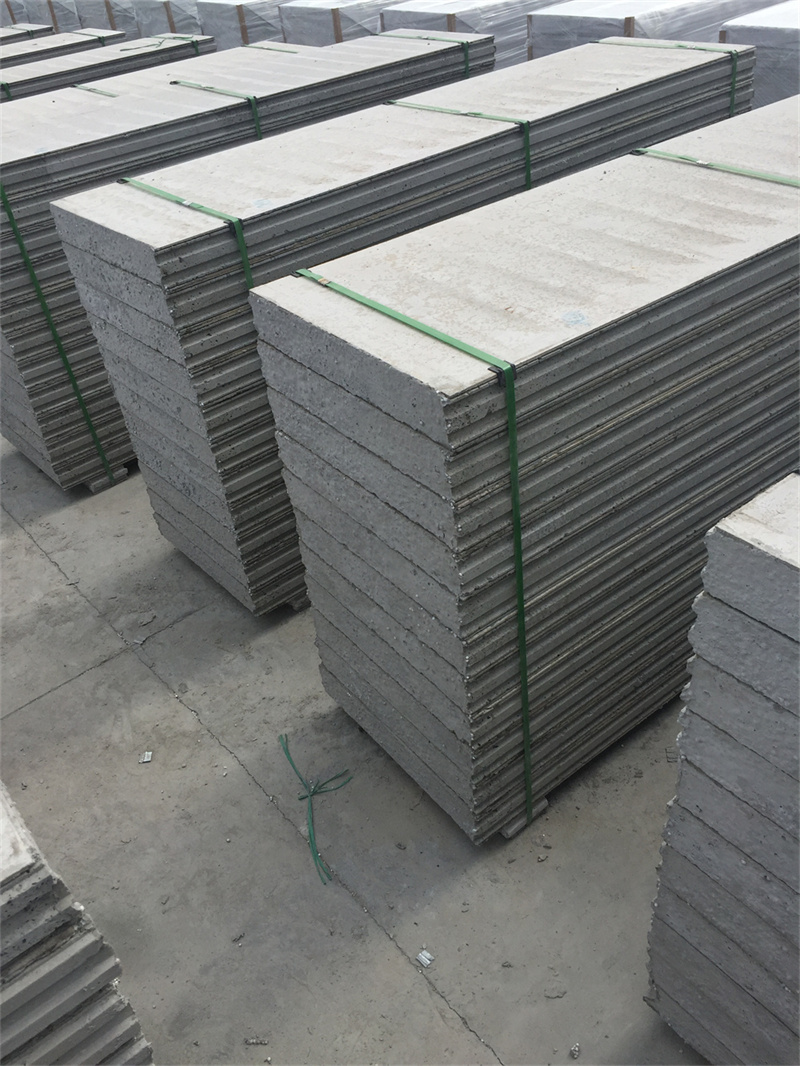
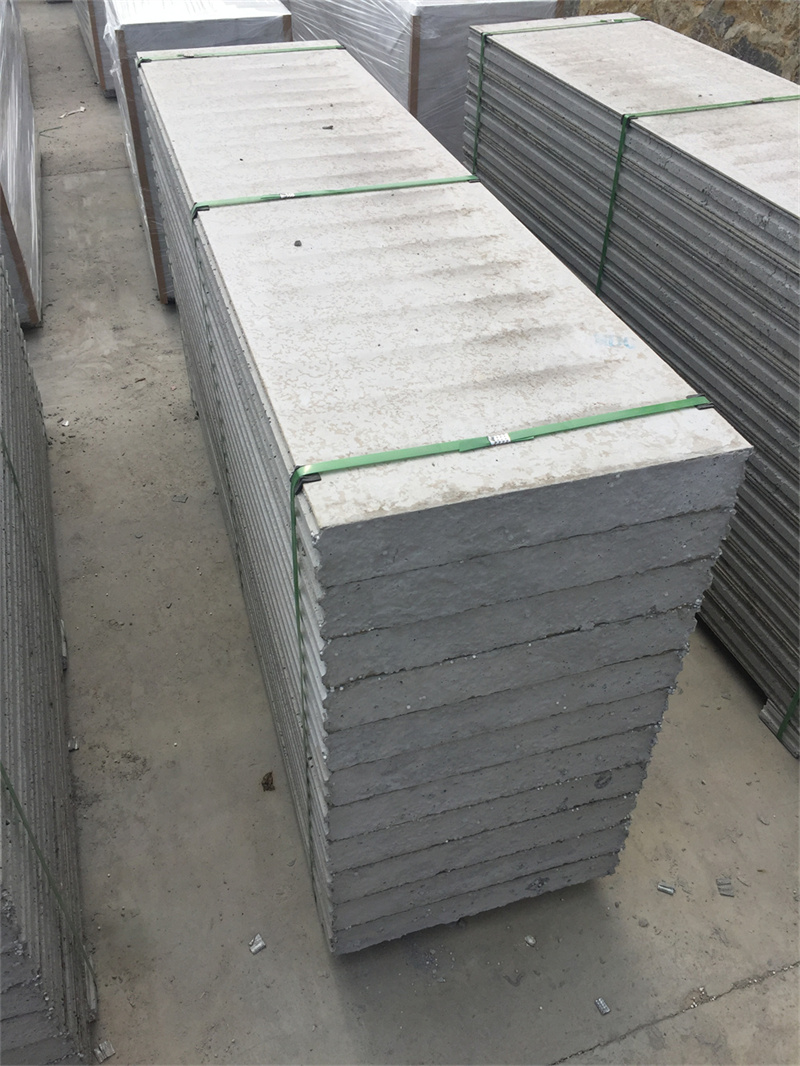
When modern builders look for a material that balances performance and practicality, EPS Cement Sandwich Panel quickly rises to the top of the list. Unlike traditional clay bricks or concrete blocks that add excessive dead load to building structures, this panel weighs only 45 to 95 kilograms per square meter, drastically reducing the overall weight of the entire building. This lightweight feature brings multiple cascading benefits to construction projects: it lowers the requirements for foundation bearing capacity, cuts down the cost of steel and concrete used in structural frameworks, and makes on-site handling far easier for workers. Even for high-rise residential buildings, using EPS Cement Sandwich Panel as interior partition walls can effectively reduce the seismic pressure on the main structure, creating a safer and more stable building environment. It also speeds up the construction timeline, as workers can install each panel in a fraction of the time needed to lay traditional blocks, eliminating the long waiting period for cement mortar to dry. For developers aiming to deliver projects on schedule while controlling costs, this lightweight wall material has become an irreplaceable choice that perfectly aligns with the demands of modern green construction.