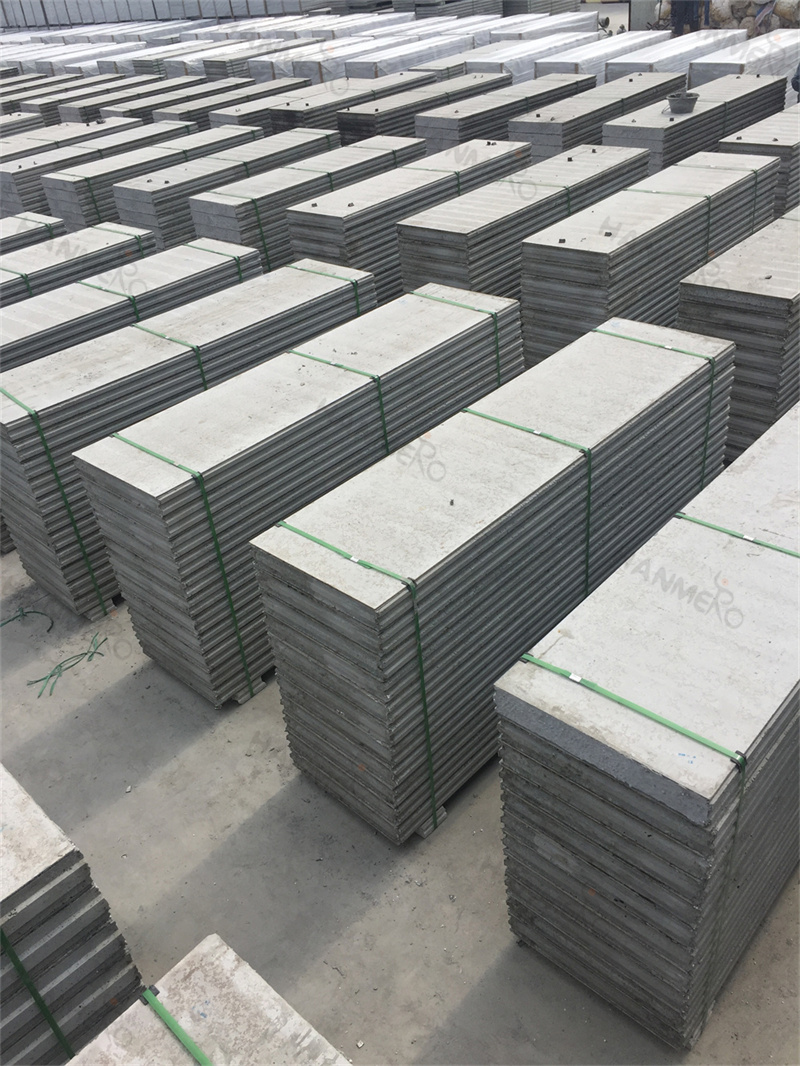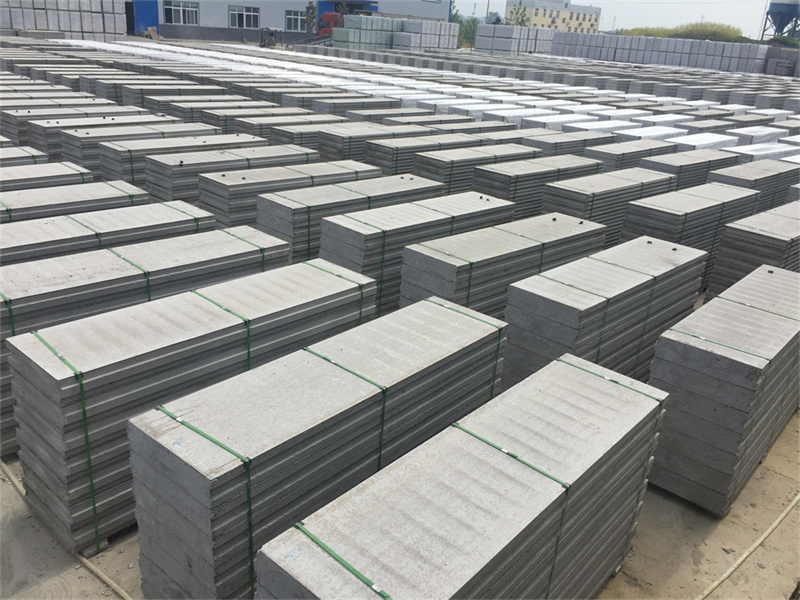
Cold storage warehouses operate 24 hours a day, 7 days a week, and their single largest ongoing operational cost is the electricity required to keep internal temperatures consistently low for frozen and refrigerated inventory. Even tiny improvements in wall insulation performance can translate to hundreds of thousands of dollars in annual energy savings for large scale cold storage operators, which is why more and more new cold storage projects are choosing EPS cement sandwich panel over traditional insulated metal panel systems.
The continuous insulation design of EPS cement sandwich panel eliminates the metal thermal bridges that waste huge amounts of energy in standard metal faced cold storage panels. In traditional metal panel systems, the metal facings create a direct conductive path for heat to travel from the warm external environment into the cold internal space, even through the insulated core. The cement facings on EPS cement sandwich panel have extremely low thermal conductivity, so they do not create these thermal bridges at all, drastically reducing unwanted heat gain into the cold storage space. This improved insulation performance can cut total refrigeration energy consumption by 25 to 30 percent for most cold storage facilities.
Unlike metal faced panels, the cement surface of EPS cement sandwich panel never develops condensation on either side of the wall, even when there is an 80 degree temperature difference between the internal and external environment. This eliminates the risk of hidden mold growth and ice buildup inside the wall cavity, which is a very common and expensive problem that damages traditional cold storage walls over time. The panels also have extremely high impact resistance, so they do not dent or puncture when hit by forklifts, cargo pallets or material handling equipment, which prevents the air leaks that are the most common cause of increased energy bills in older cold storage facilities.