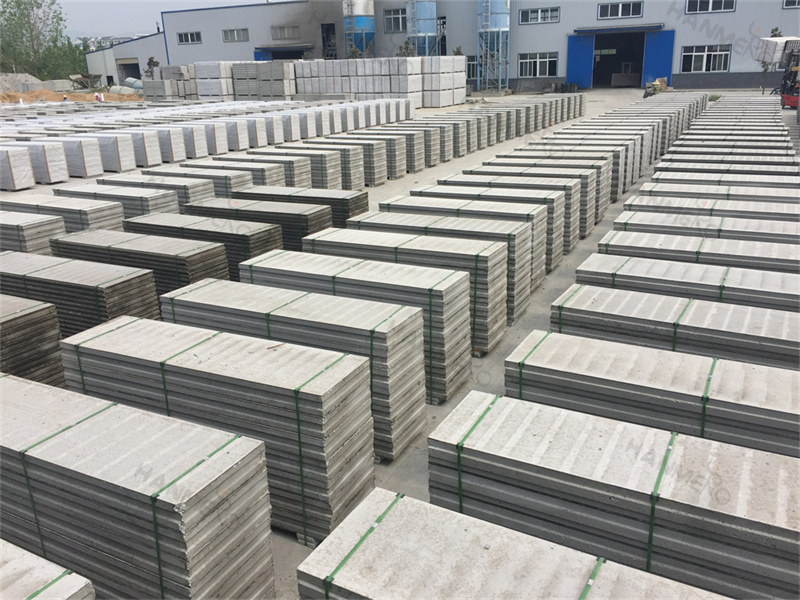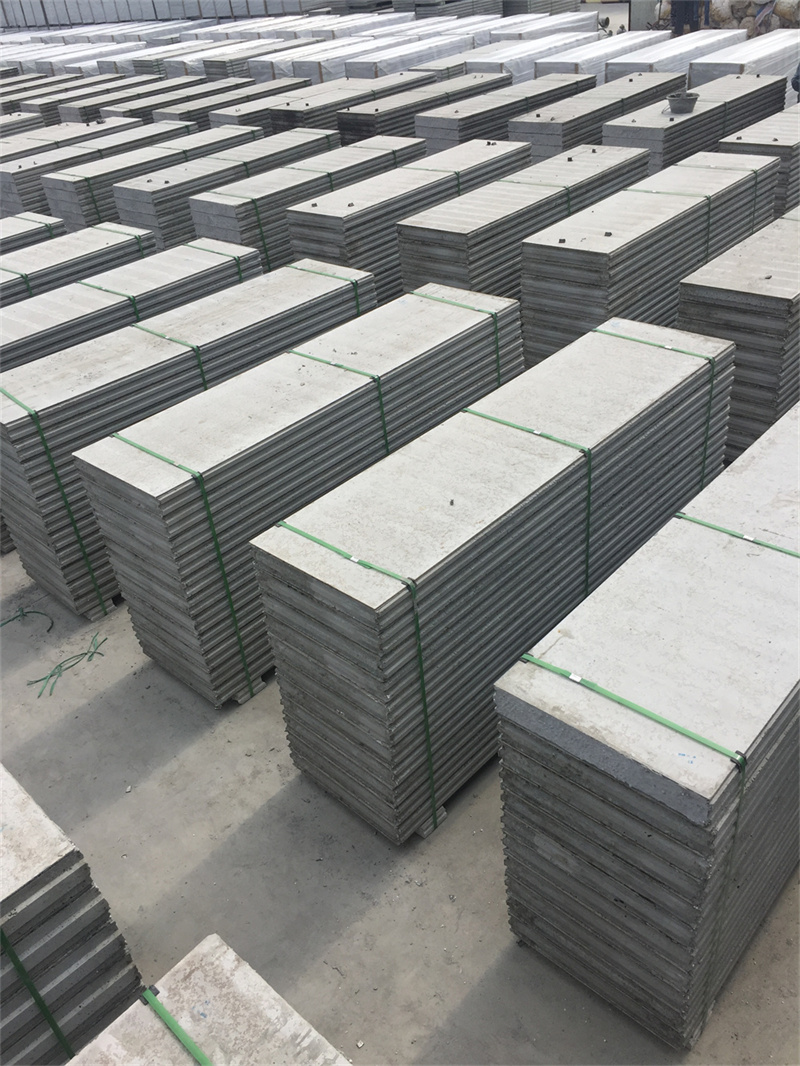
Autoclaved Aerated Concrete blocks, commonly known as AAC blocks, have been one of the most popular modern lightweight wall alternatives to traditional clay brick for more than 20 years, but EPS cement sandwich panel is quickly overtaking them as the more cost effective choice for most new construction projects. When you only compare the per square meter material cost, the two materials can look very similar, but once you calculate the full total installed cost across the entire project, the cost advantage of EPS cement sandwich panel becomes extremely clear.
AAC blocks still need to be laid one by one by skilled masons, using thick layers of cement mortar between every single block. This process is slow, labor intensive, and each 100 square meters of wall requires more than 10 days of work for a full masonry team. After the blocks are laid, the entire wall surface still needs 15 to 20mm of cement plaster applied over both sides, which adds even more material cost, labor time and curing wait time. EPS cement sandwich panel by comparison can be installed at a rate of 15 square meters per worker per day, and it only needs a 1 to 2mm thick skim coat instead of full heavy plaster. This cuts total on site labor cost for wall construction by more than 50 percent.
Over the long operational life of the building, the cost gap grows even wider. A standard 100mm AAC block has a thermal conductivity of roughly 0.16 W/mK, while the EPS core in a 100mm EPS cement sandwich panel has a thermal conductivity of 0.032 W/mK. This means the EPS cement sandwich panel delivers 5 times better thermal insulation performance than an equal thickness AAC block, leading to drastically lower annual heating and cooling costs for the building owner. For a typical 5000 square meter commercial building, this energy saving adds up to more than $15,000 per year, creating hundreds of thousands of dollars in cumulative savings over the 70 year service life of the structure.