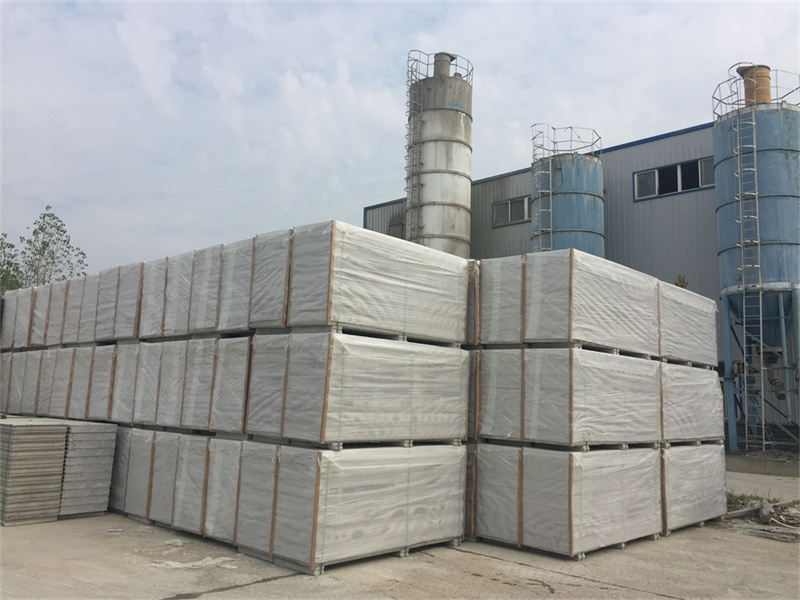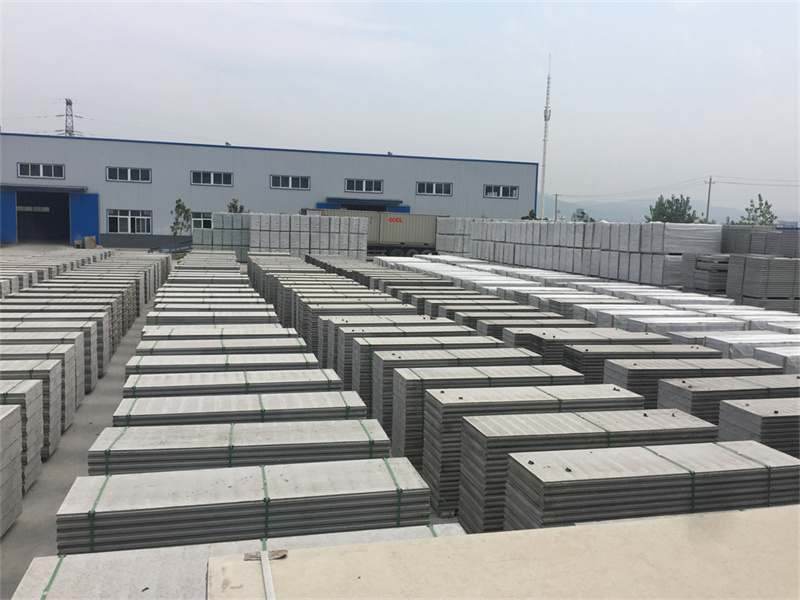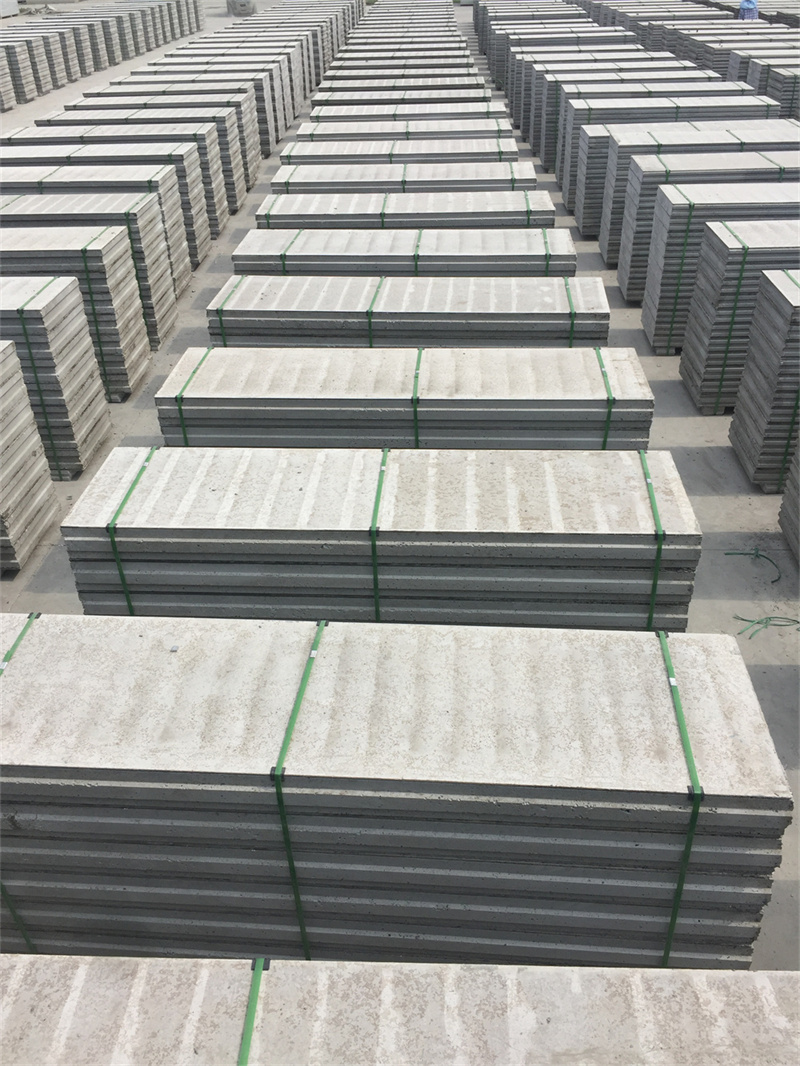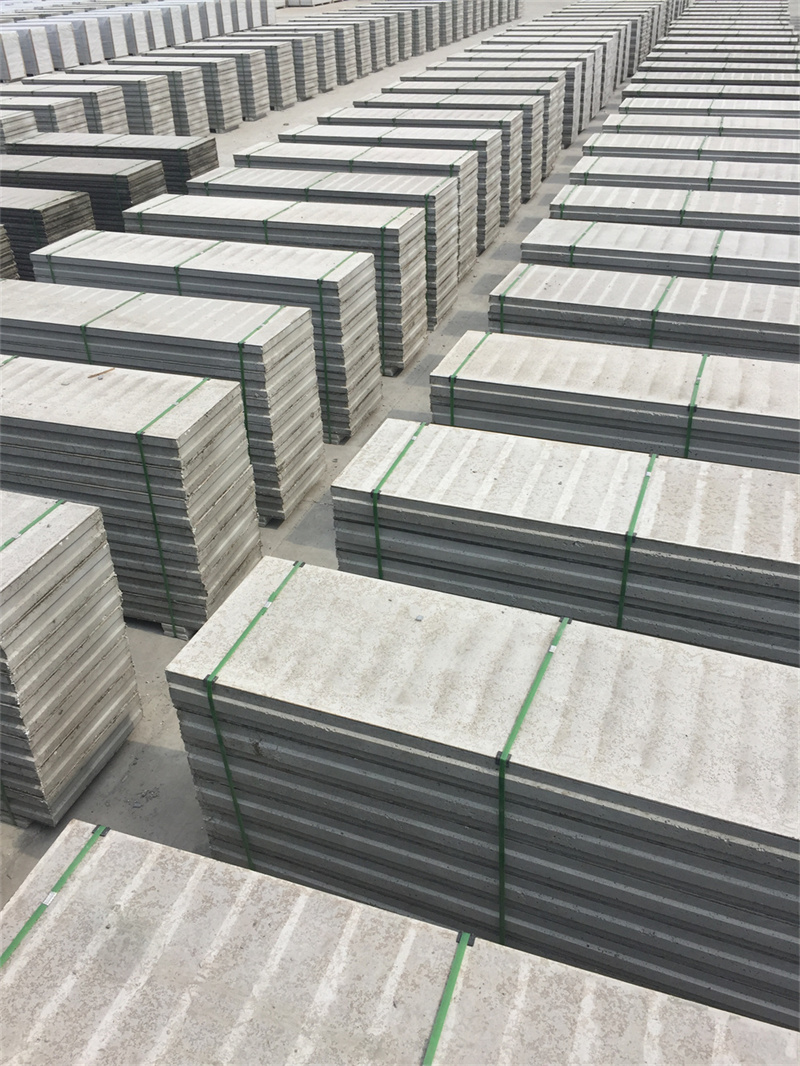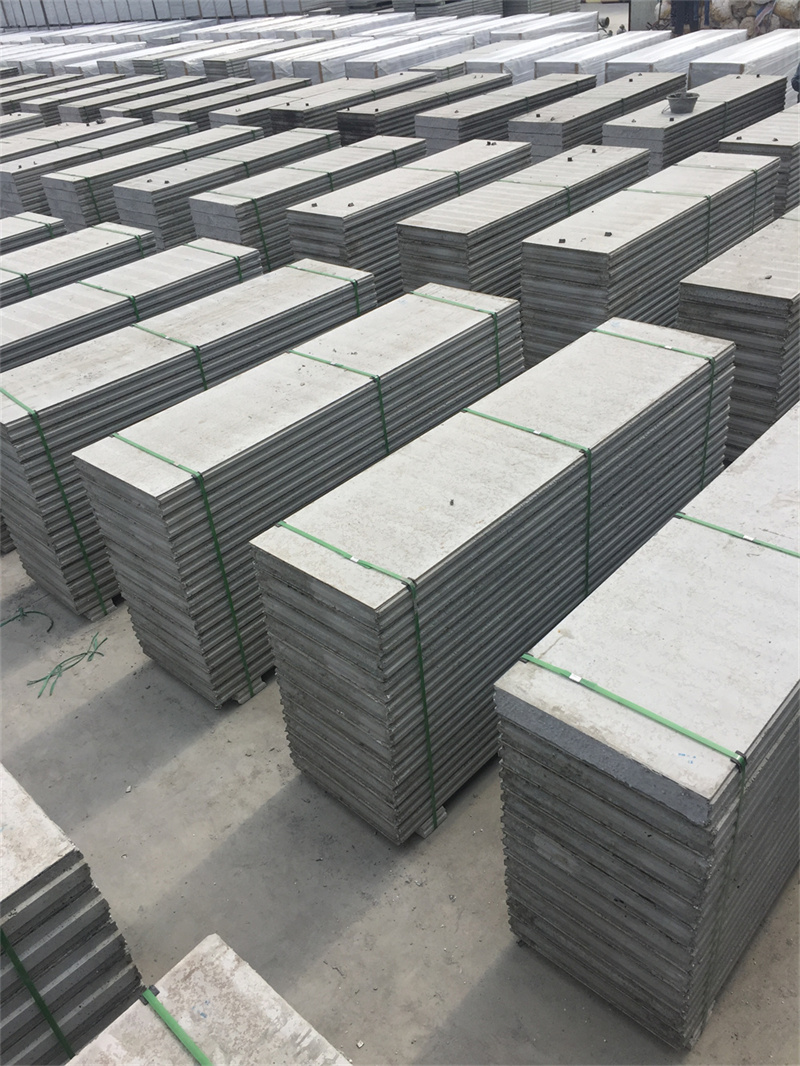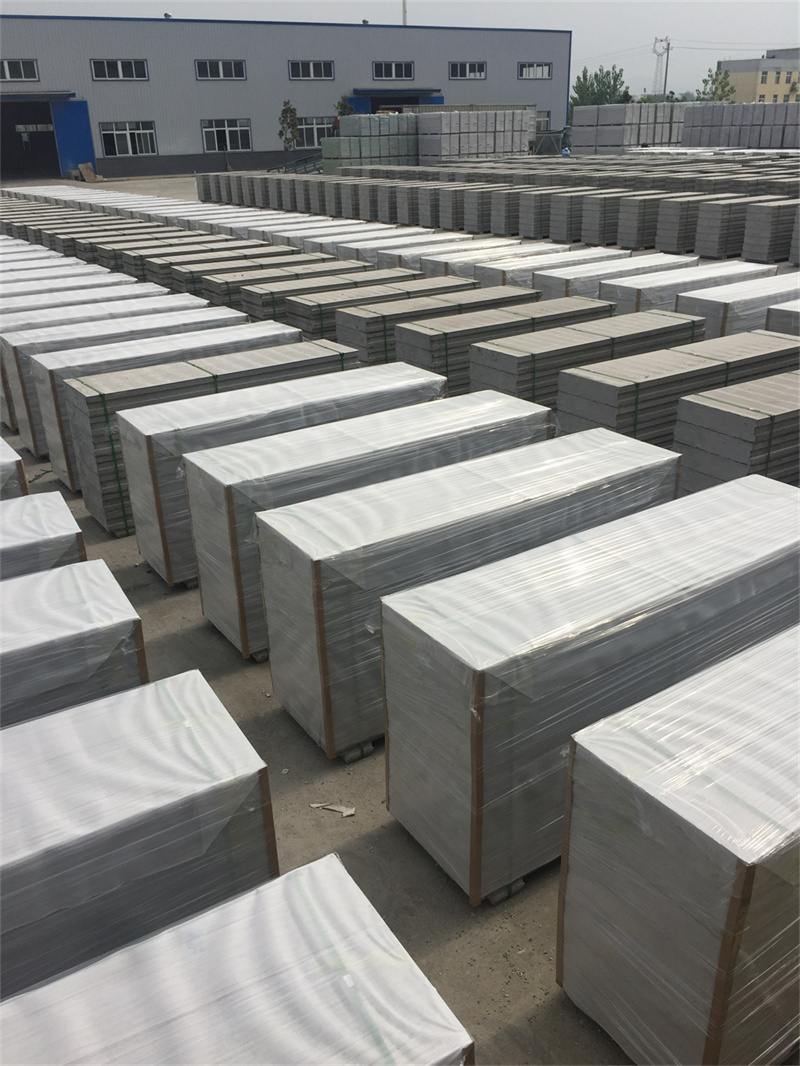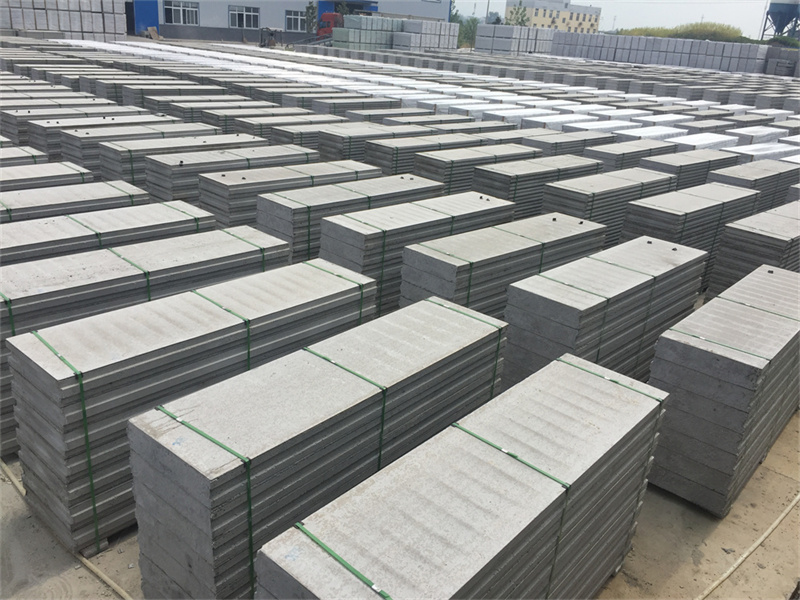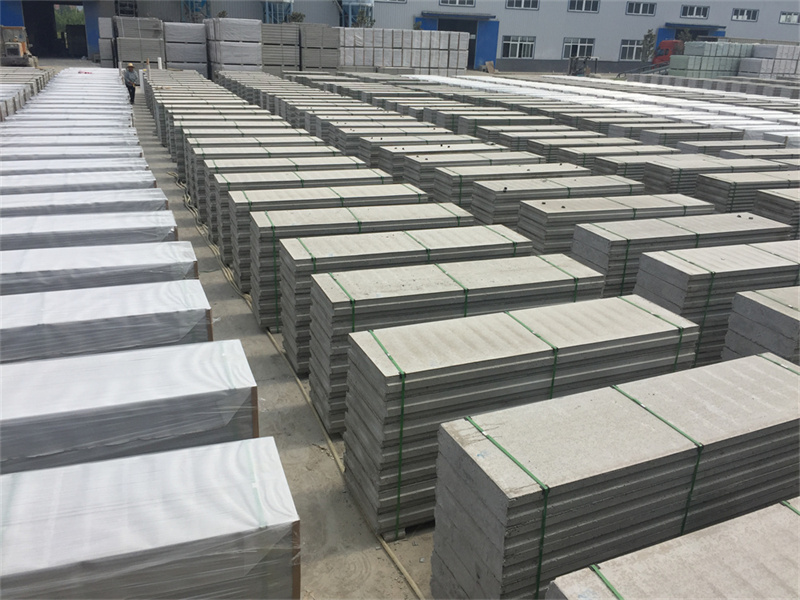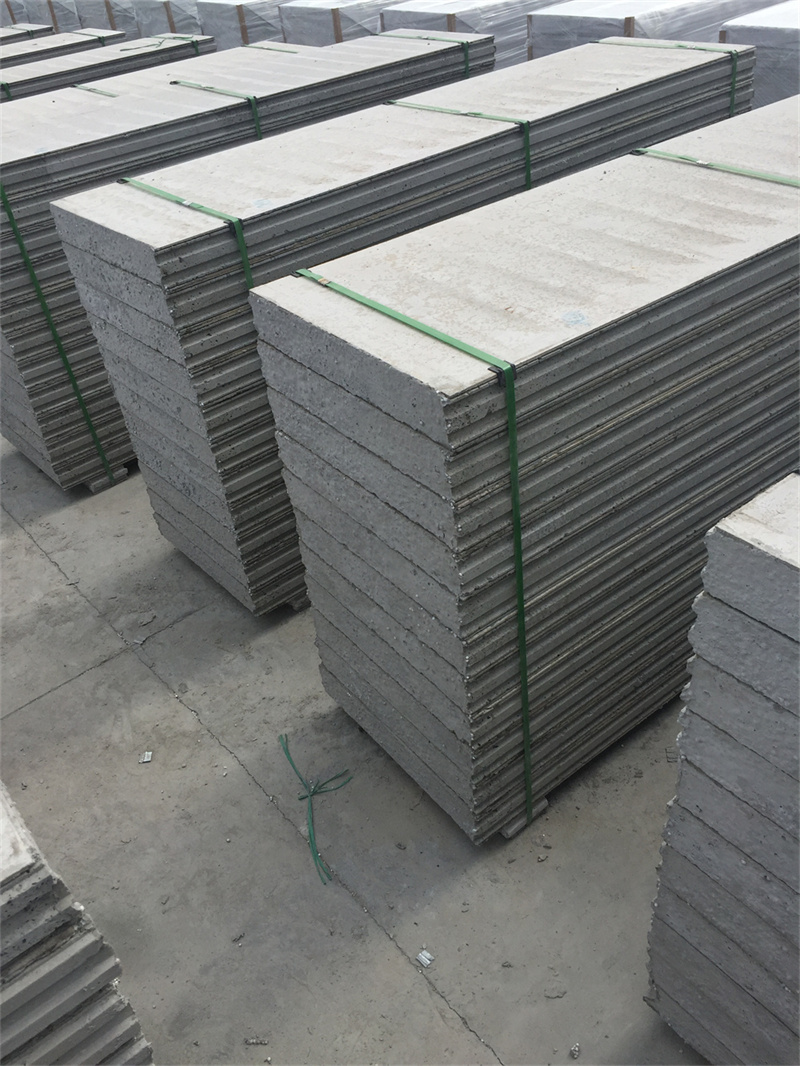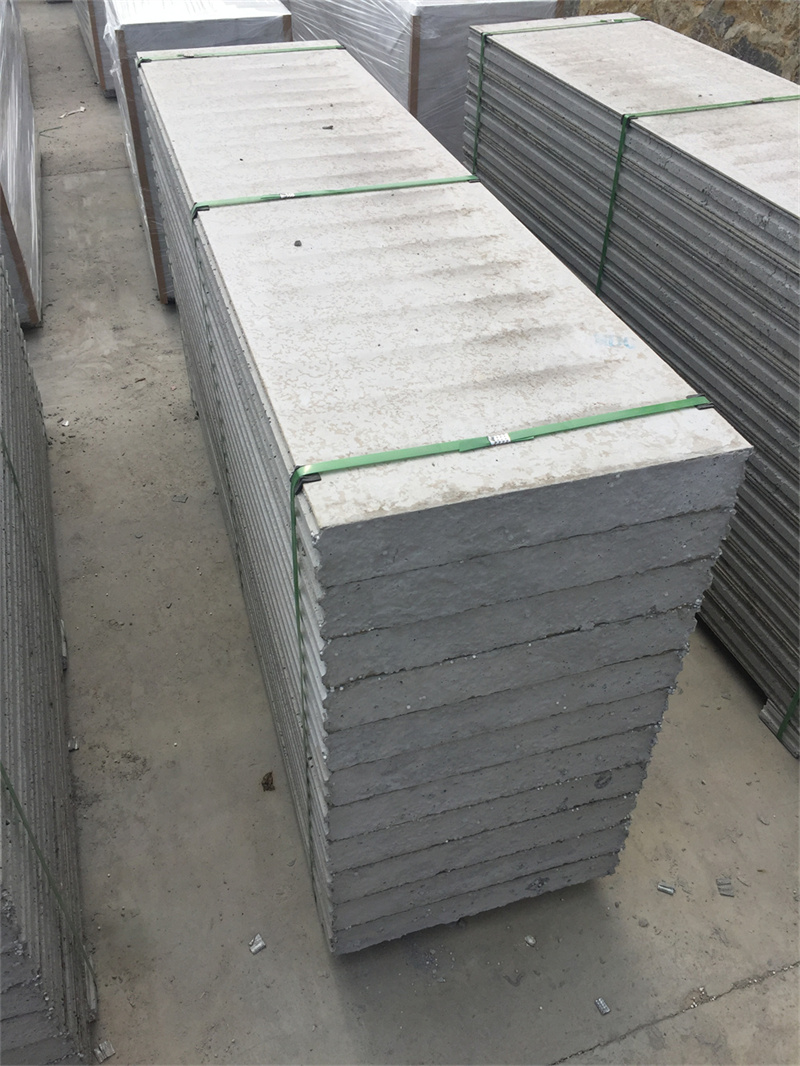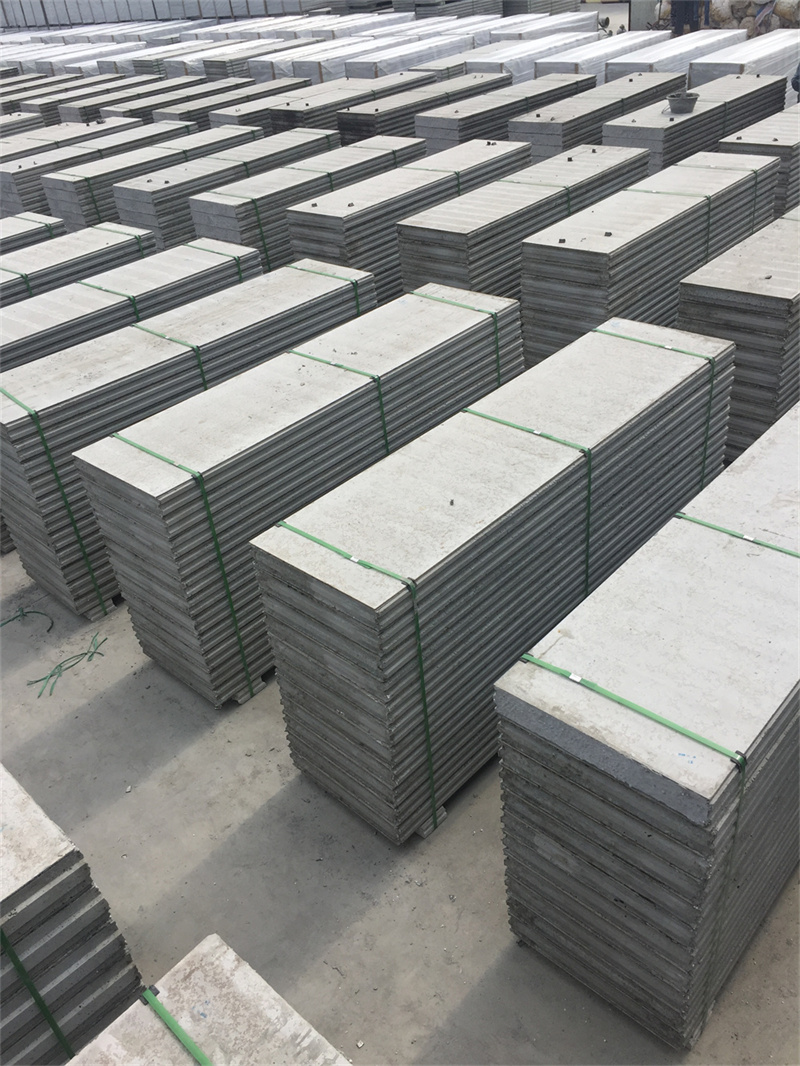
Even though the EPS Cement Sandwich Panel is designed to be extremely user friendly for construction teams of all experience levels, there are still several common installation mistakes that can reduce its long term performance, create hidden maintenance issues and even void product warranties. Understanding these errors before you start working on site will help you get the full expected performance and service life from every EPS Cement Sandwich Panel you install.
The first and most frequent mistake many new teams make is not leaving a proper 3mm expansion gap between adjacent EPS Cement Sandwich Panel units. Many installers try to push panels tightly together to create a perfectly seamless joint, but this leaves no space for the minor thermal expansion that happens when outdoor temperatures rise in summer. Without this small gap, panels can push against each other, create visible cracks along joints and even cause slight warping across large wall areas. You should fill this gap with flexible neutral cure silicone sealant instead of hard cement mortar, so the joint can absorb small movements without breaking.
Another critical mistake is creating unnecessary holes or deep cuts across the middle section of a full size EPS Cement Sandwich Panel. The structural strength of the panel comes from the continuous two outer cement layers working together with the EPS core. If you cut a large opening for pipes or wiring straight through the center of the panel without adding extra edge reinforcement, you will weaken the overall load bearing capacity of the wall section. All wiring and plumbing channels should be pre routed along the designated edge grooves on the panel, or planned into the factory pre fabrication stage before panels are shipped to site. Other common mistakes include not applying the recommended waterproof sealant along the bottom panel edge where it meets the floor, using regular cement screws without washers that can crack the cement board surface, and stacking panels directly on bare wet ground during storage before installation.