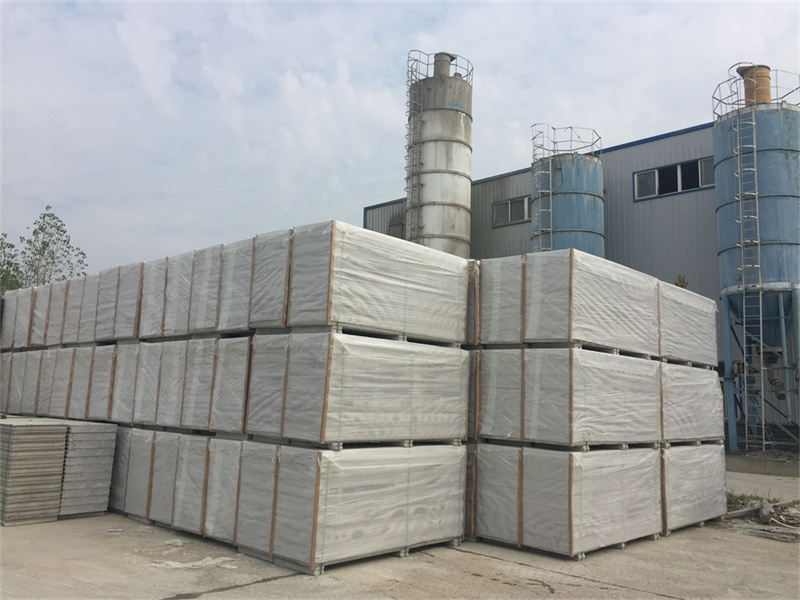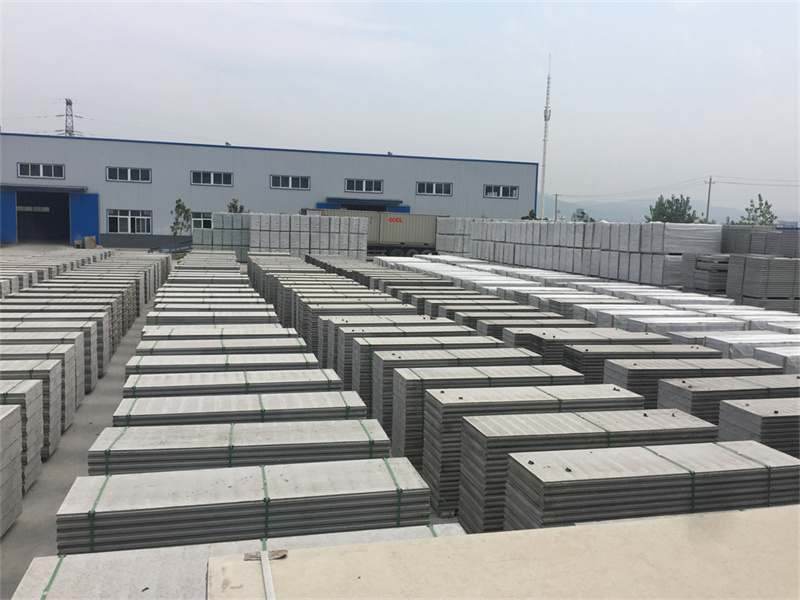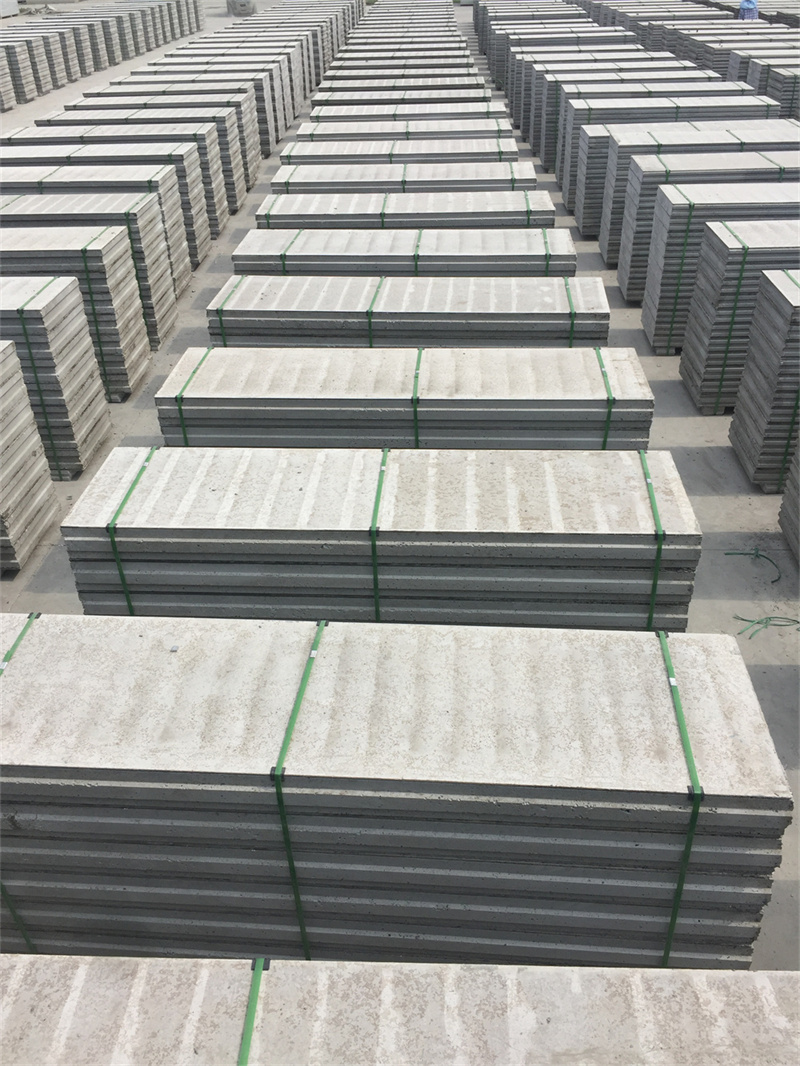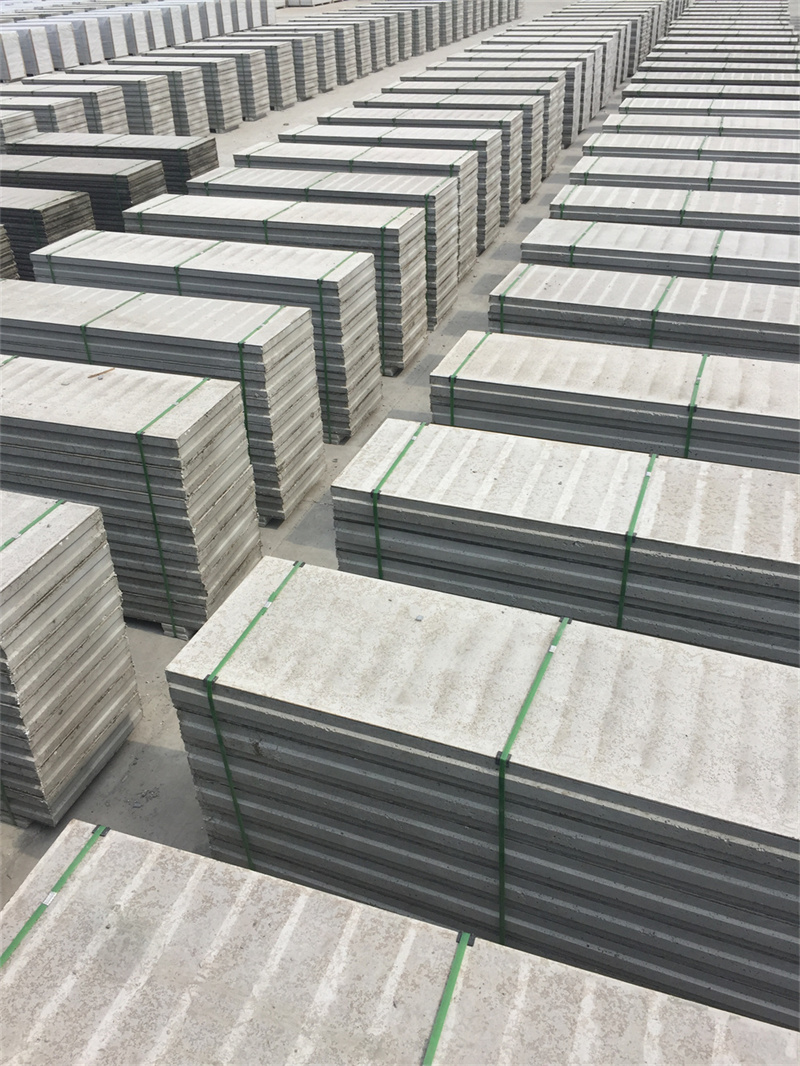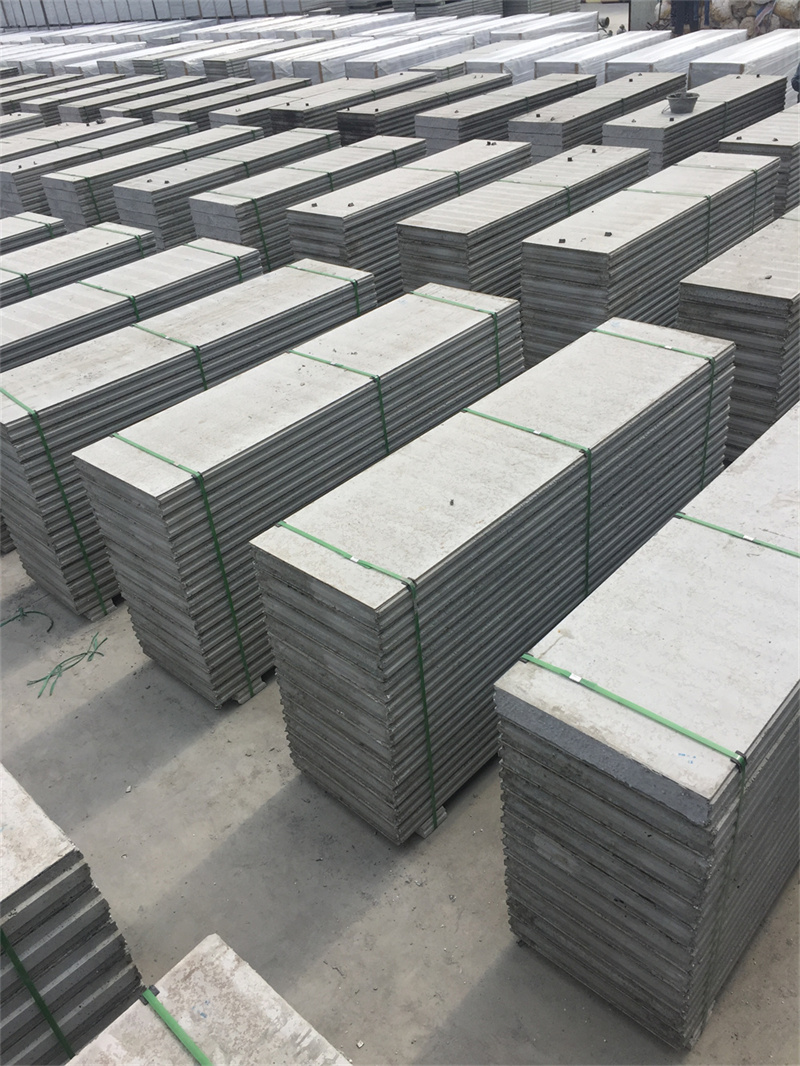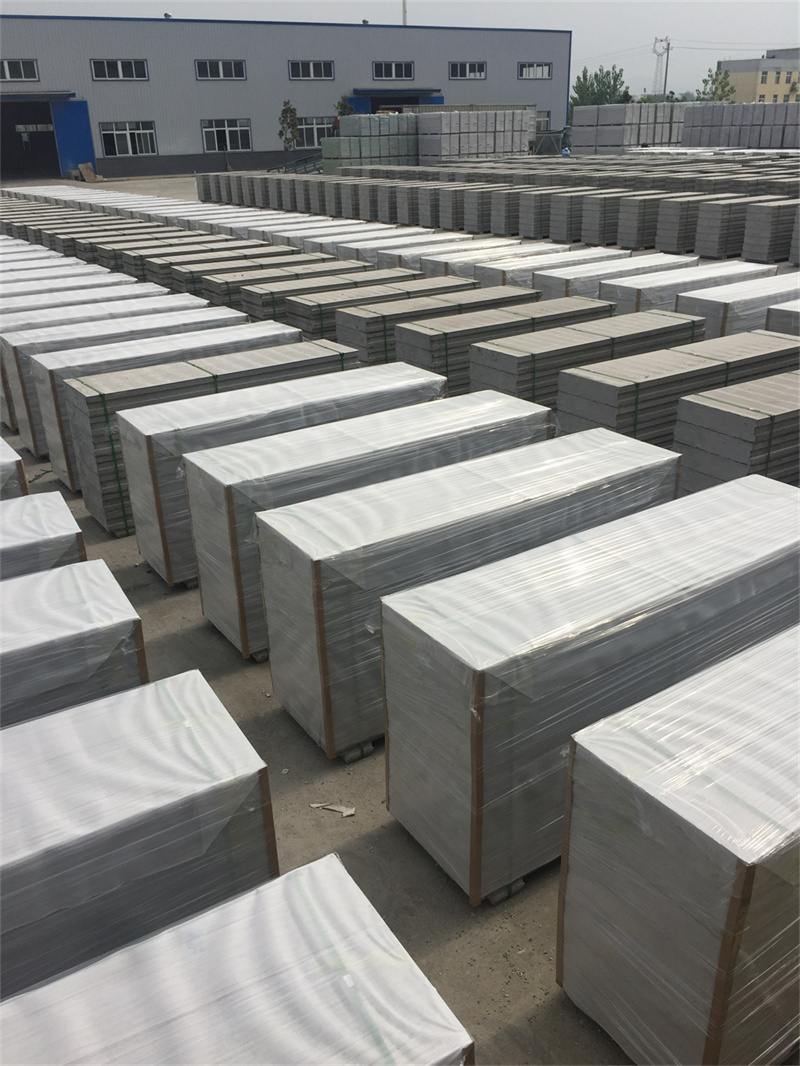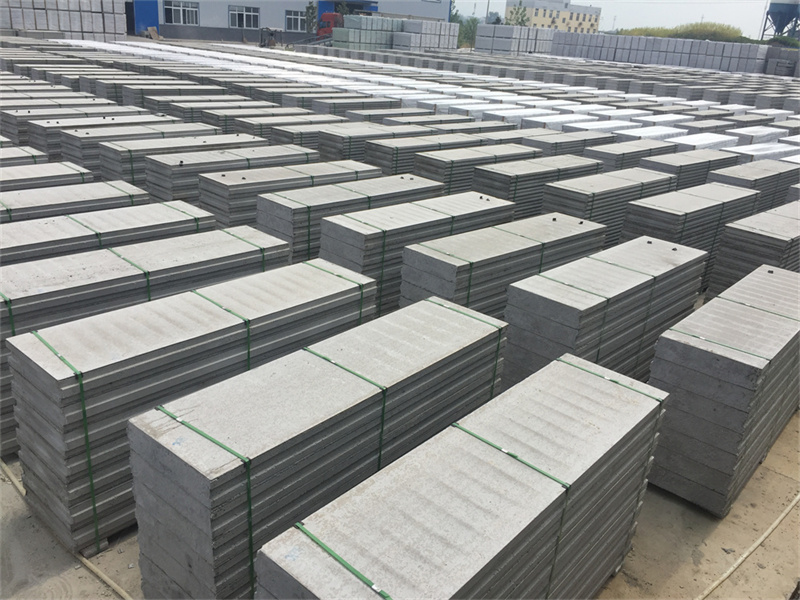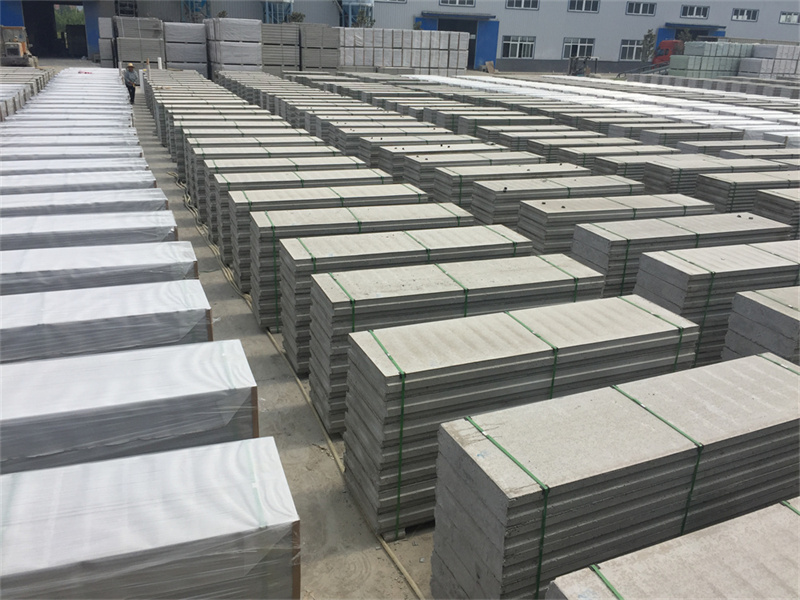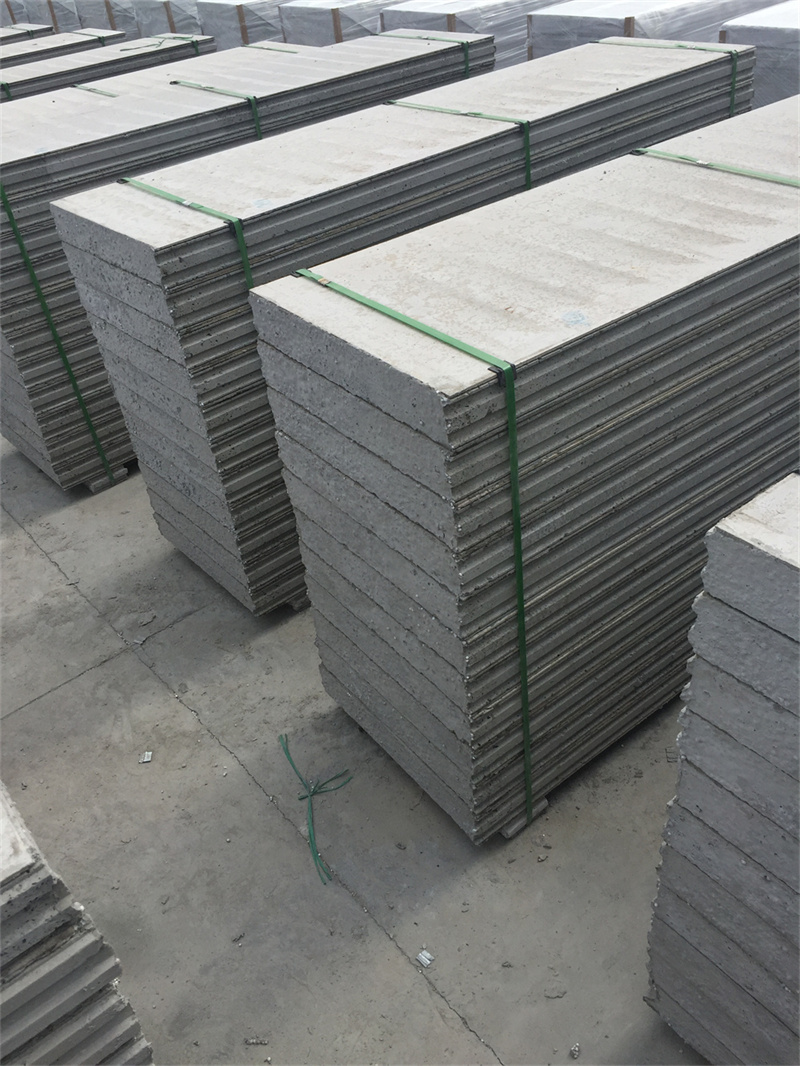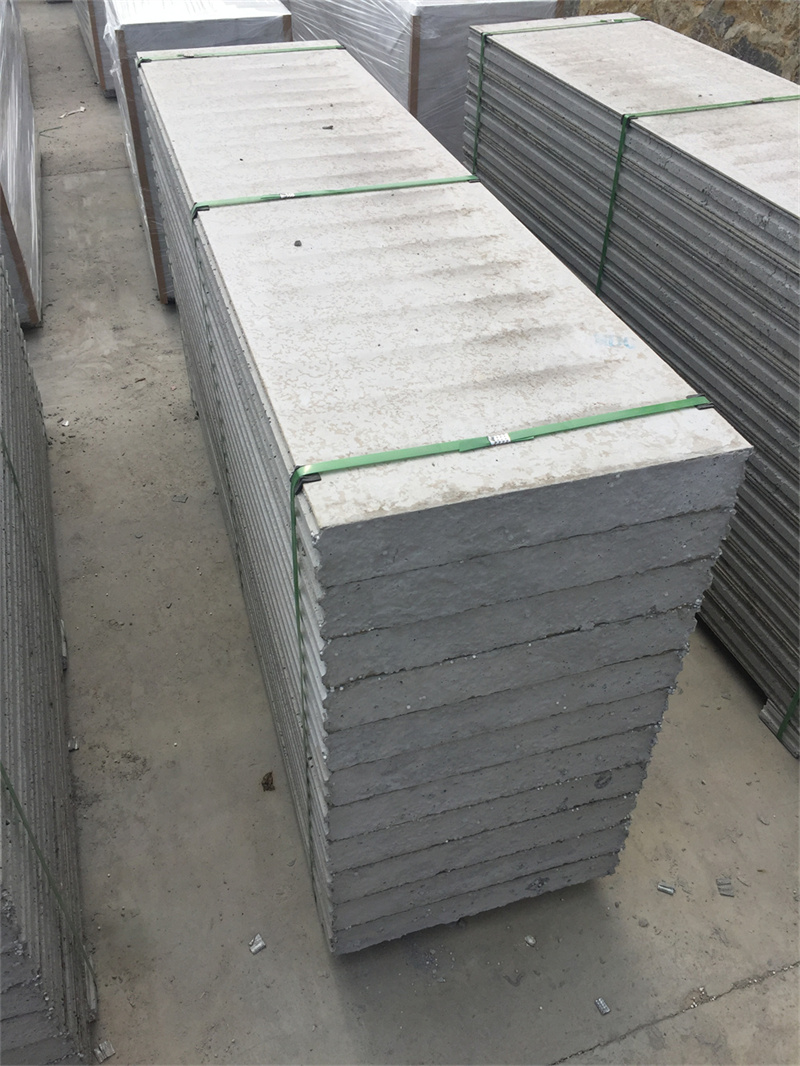
Buildings in tropical regions face a unique set of wall challenges: constant high temperatures, heavy seasonal rainfall, high humidity and frequent intense storm winds. The EPS Cement Sandwich Panel is perfectly suited to handle all these conditions, making it an increasingly popular choice for construction projects across Southeast Asia, Central America and other tropical zones. The panel’s outstanding thermal insulation blocks almost all external solar heat from transferring into indoor spaces, so air conditioning systems do not have to run nonstop at full power all day to keep rooms cool. This drastically cuts electricity costs for cooling, which is usually the largest household expense in hot tropical cities.
The waterproof and moisture-proof design of the EPS Cement Sandwich Panel is another major advantage for humid tropical environments. The dense calcium silicate surface boards do not absorb water, and the closed EPS foam core will never retain moisture even if the panel is exposed to heavy rain for days. This means you will never deal with peeling wall paint, bubbling plaster or hidden mold growth that plagues many traditional walls in high humidity areas. The panel is also lightweight but structurally strong, so it can withstand strong tropical storm winds without cracking or suffering structural damage. Unlike traditional brick walls that can develop cracks from constant expansion and contraction in extreme temperature swings, the stable structure of the EPS Cement Sandwich Panel maintains its shape and performance year after year, with very little maintenance required. For anyone building in a hot, humid tropical region, this panel delivers far better long-term performance than almost any traditional wall material on the market.