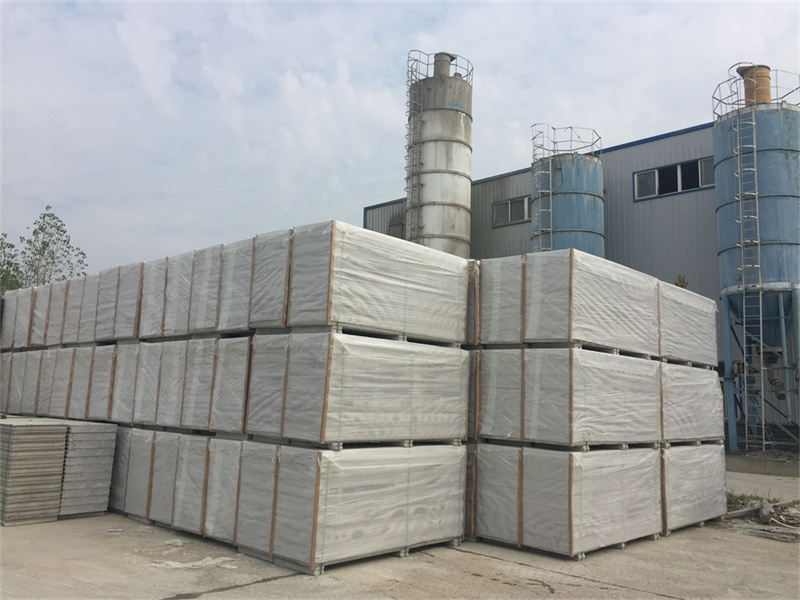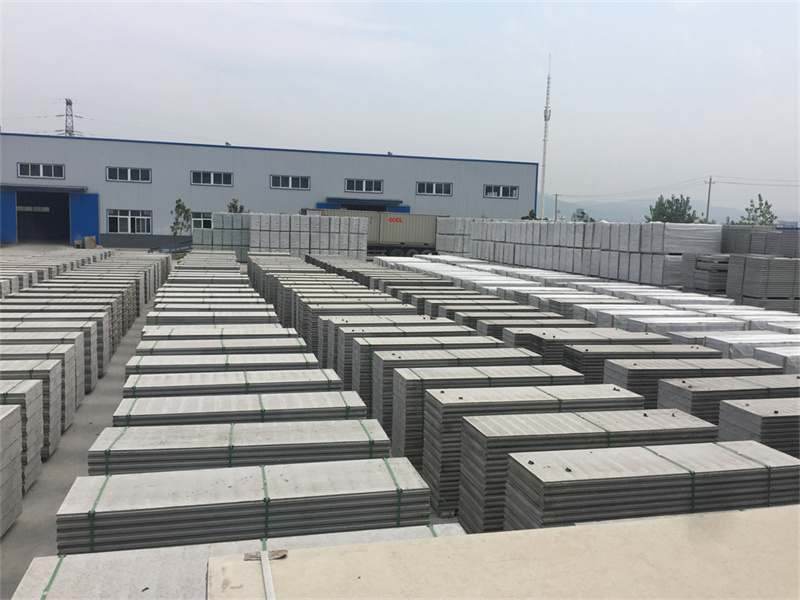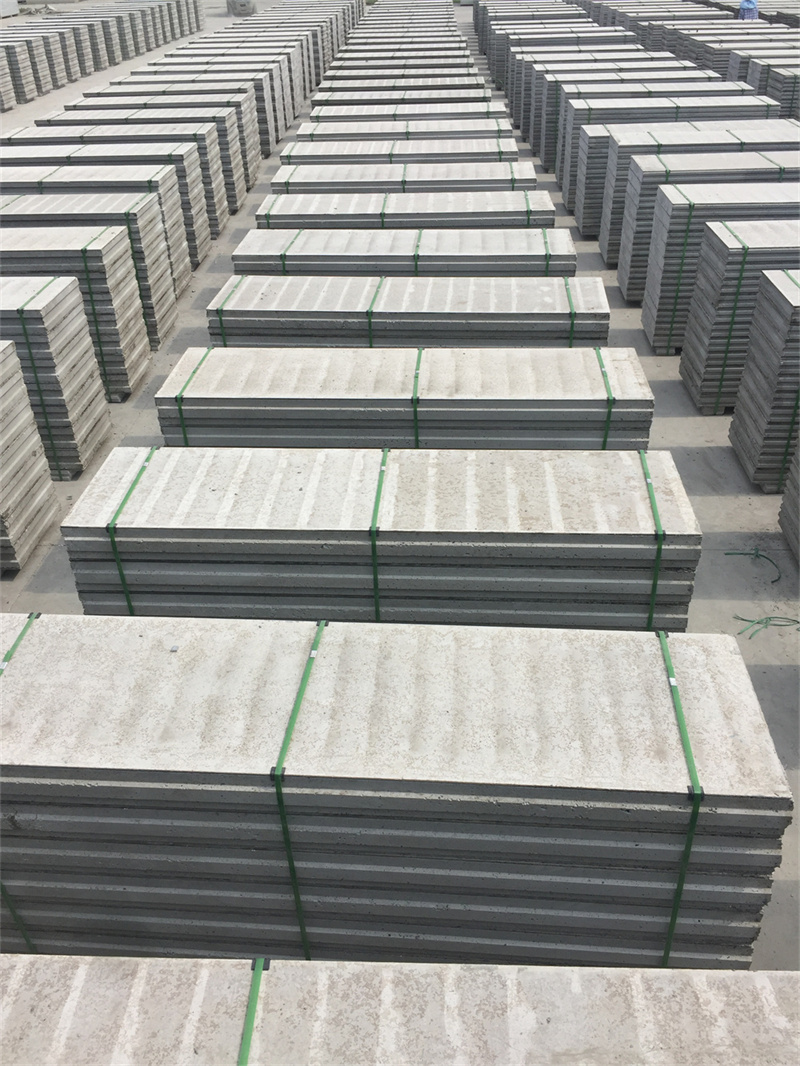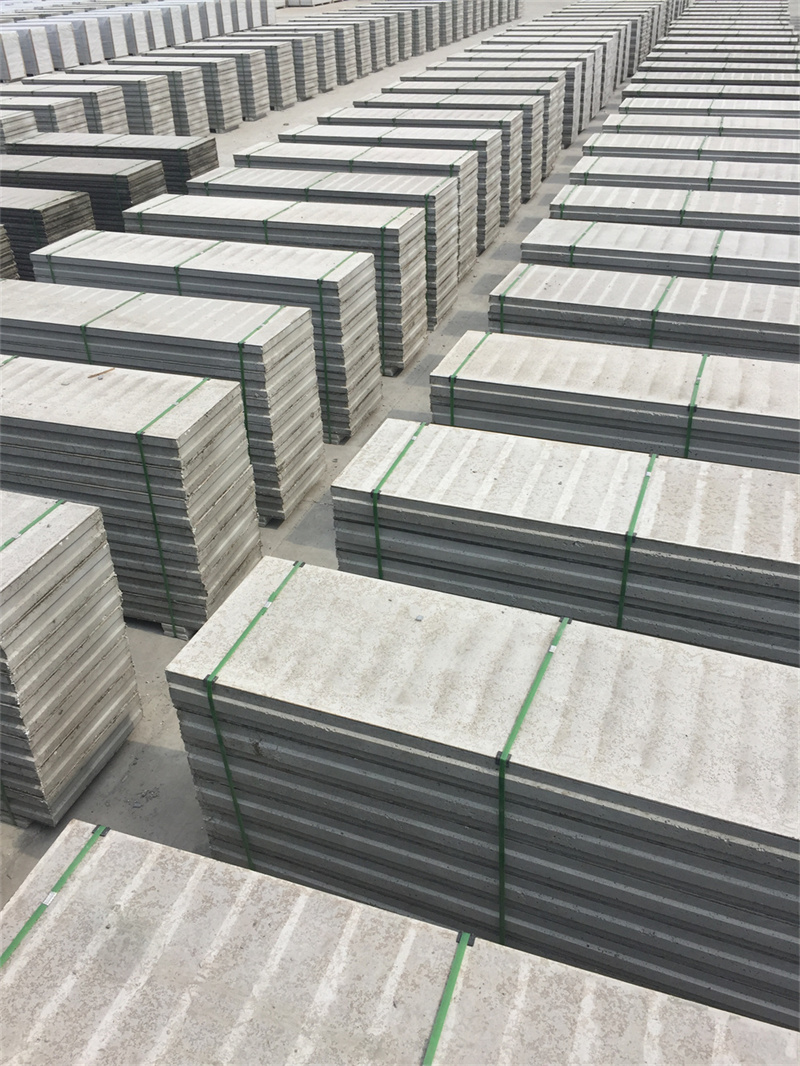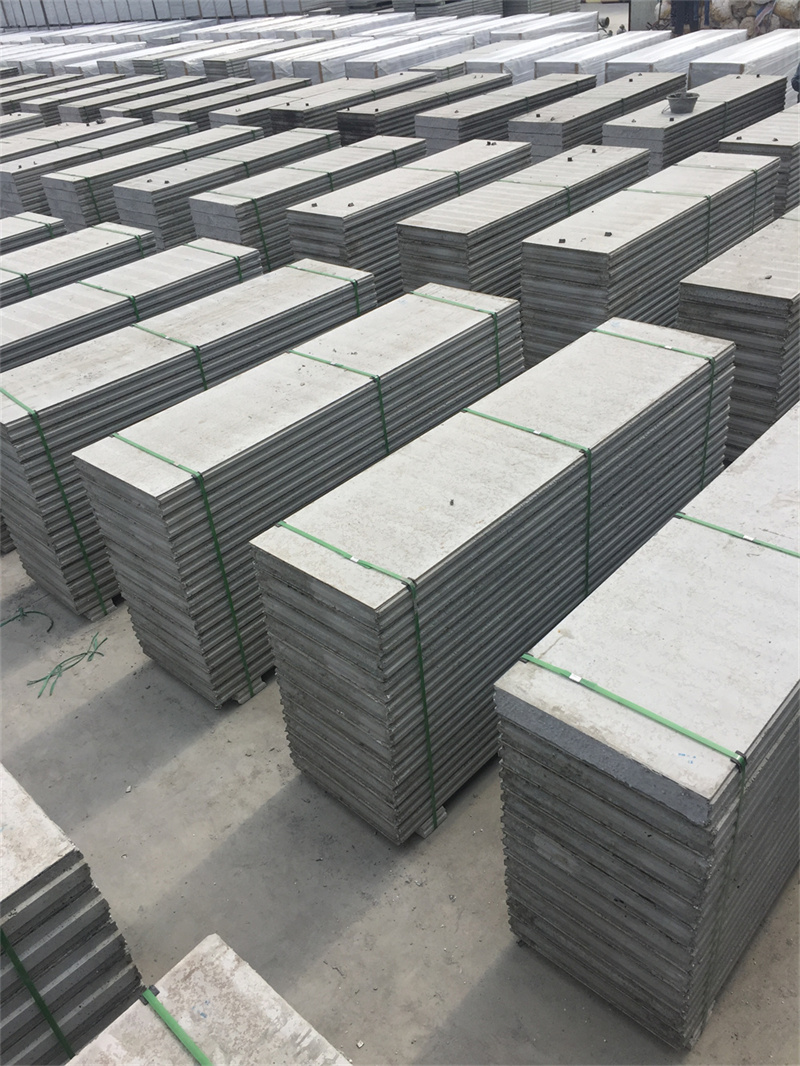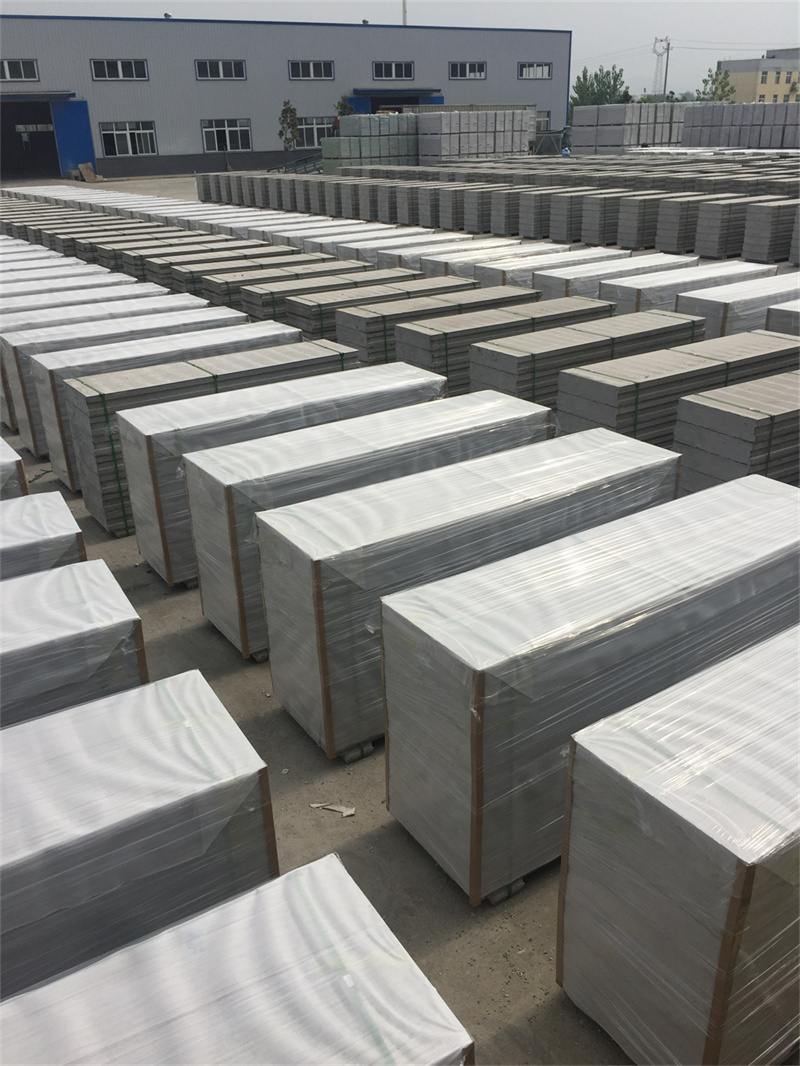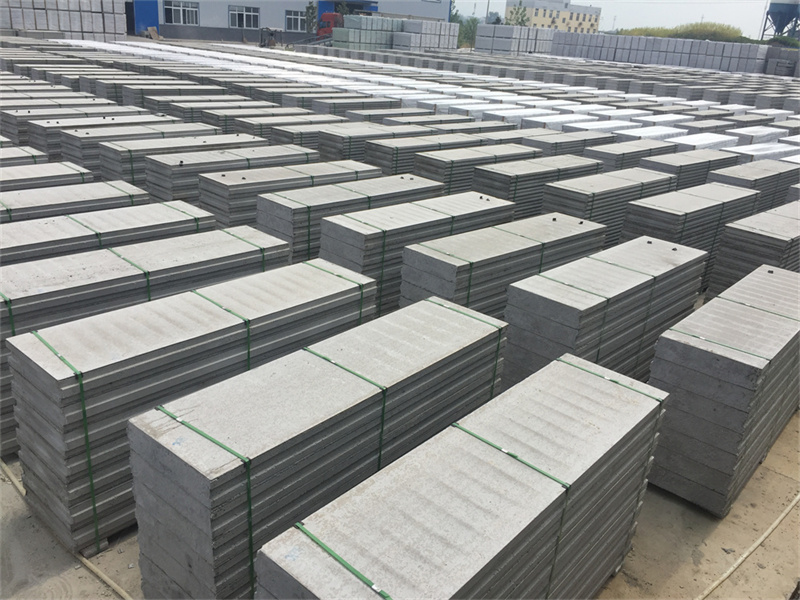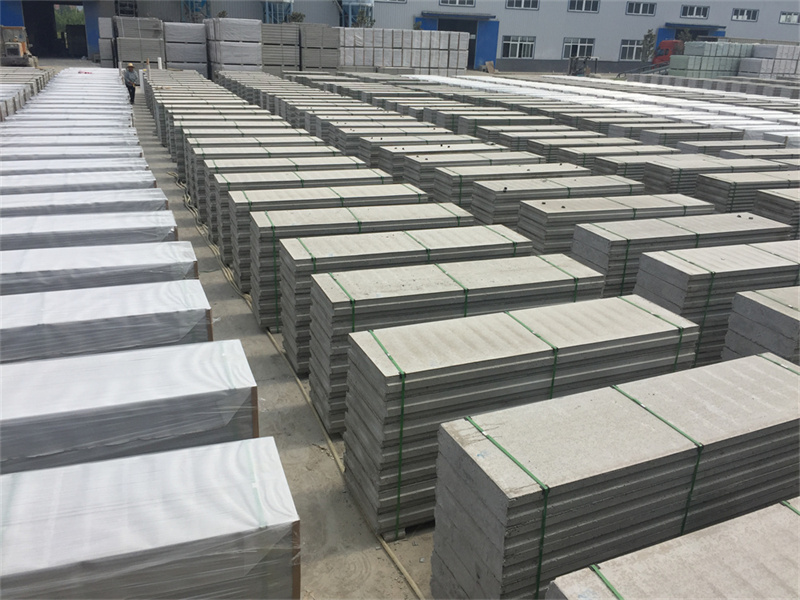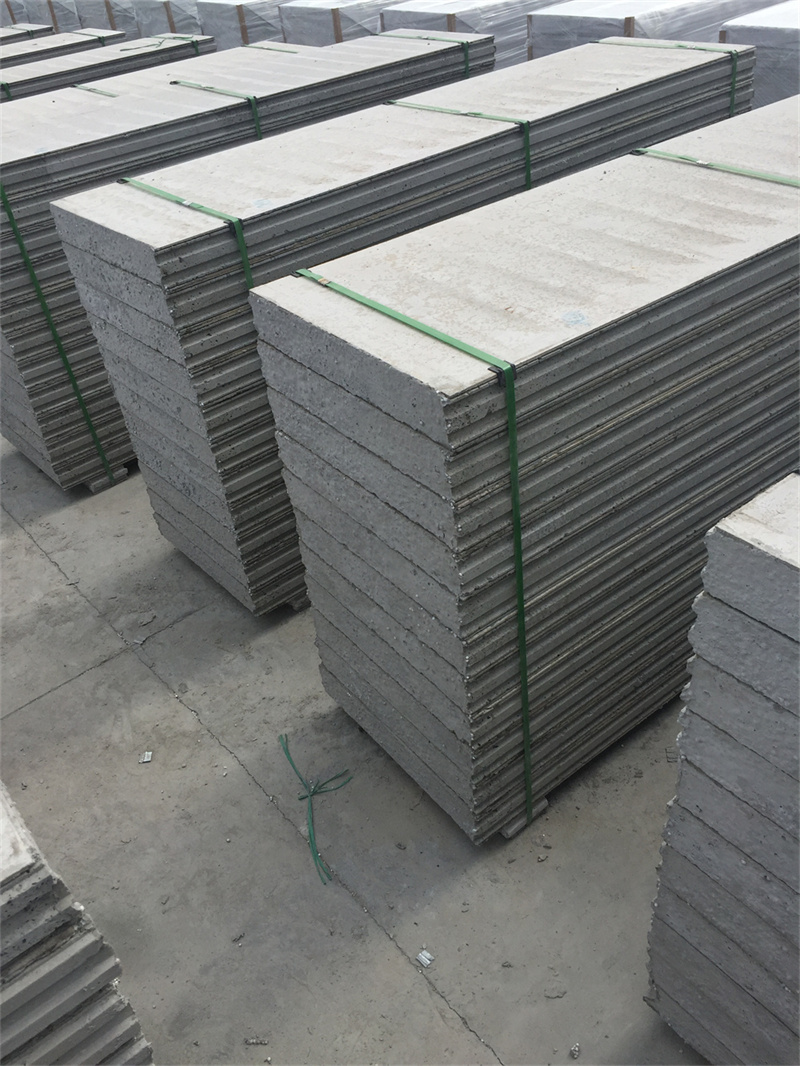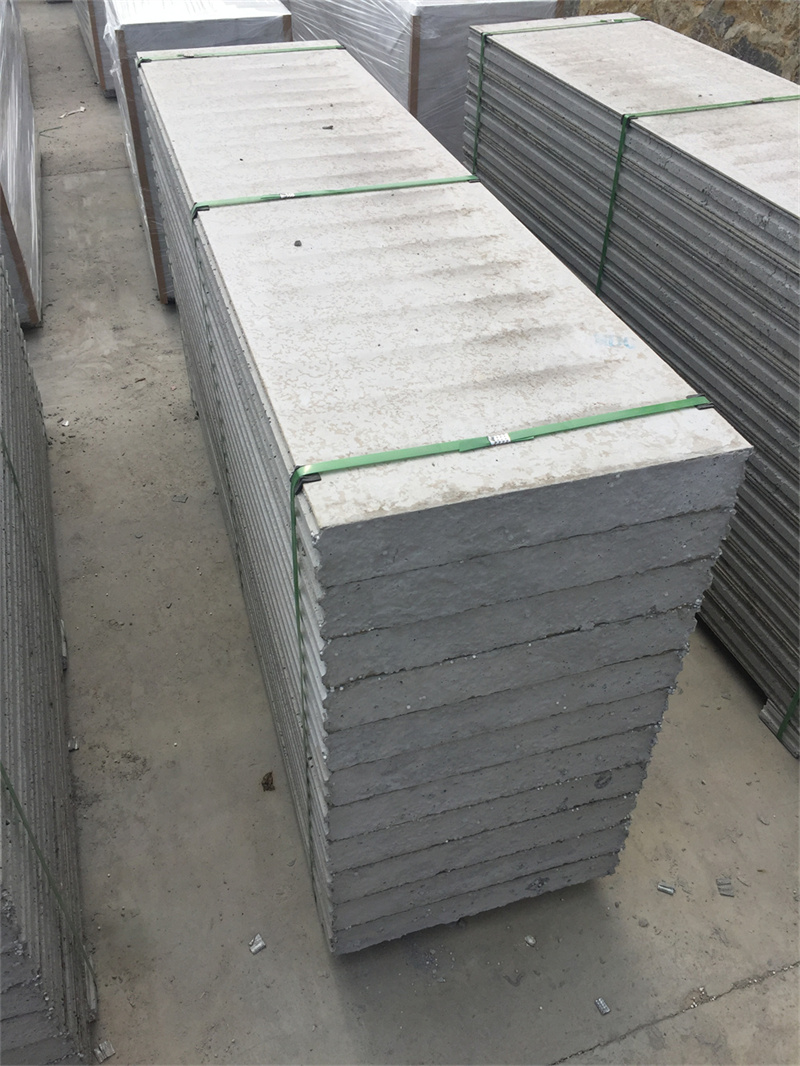
When planning an office renovation, one of the most common questions project managers ask is whether to choose EPS Cement Sandwich Panel or traditional gypsum drywall for internal partitions. While drywall may seem cheaper at first glance, a full total cost comparison shows that EPS Cement Sandwich Panel is actually the more cost-effective choice for most commercial office projects.
At the material level, a standard 100mm EPS Cement Sandwich Panel integrates the core insulation, cement board layers, and structural strength all in one single unit. A traditional drywall partition of the same thickness requires double layers of gypsum board, a metal stud frame, sound insulation wool filled inside, and multiple layers of joint treatment. When you add all these separate materials together, the total material cost of drywall is already very close to EPS Cement Sandwich Panel.
The biggest cost difference comes from installation and follow-up work. Installing a drywall partition requires multiple steps: building the metal frame, placing the insulation wool, screwing on two layers of drywall, applying joint compound, sanding, and waiting for full drying. This process takes far more working hours than installing EPS Cement Sandwich Panel, leading to much higher labor costs. In the long run, EPS Cement Sandwich Panel is far more resistant to impact, moisture, and accidental damage than drywall, so you will spend almost no money on wall repairs over years of office use. When you calculate the total cost over the full service life of the office, EPS Cement Sandwich Panel delivers far better value for money than regular drywall.