Category: Blog

Category: Blog

Key Benefits of Using EPS Cement Sandwich Wall Panels for Open Office Space Partitions

Open plan office layouts have become the standard for modern commercial workspaces, designed to encourage collaboration, improve team communication, and make the most of available floor space. But even in the most open office environments, you still need practical, flexible partitions to create quiet meeting rooms, private focus pods, manager offices, storage areas, and dedicated zones for different teams. This is exactly where EPS Cement Sandwich Wall Panels shine as the ideal partition material, offering a unique set of benefits that are perfectly tailored to the specific needs of open plan commercial offices.

One of the biggest advantages of EPS Cement Sandwich Wall Panels for open office partitions is their lightweight modular design. Unlike heavy brick or concrete walls that are permanent and difficult to modify, these panels can be installed quickly and reconfigured later whenever your office layout needs to change. If your team grows and you need to add more private meeting rooms, or if you want to open up a previously partitioned area to create a larger collaborative workspace, you can remove, relocate, and reinstall EPS Cement Sandwich Wall Panels without major demolition work or costly structural modifications. This level of flexibility is extremely valuable for growing businesses that do not want to be locked into a single permanent office layout for years. The panels are also much lighter than traditional walls, so they do not add excessive static load to your office floor structure, which means you can install them on upper floors of commercial buildings without needing to complete expensive structural reinforcement work.

Another major benefit of EPS Cement Sandwich Wall Panels in open office spaces is their excellent noise insulation performance. One of the most common complaints about open plan offices is the high level of background noise, from nearby conversations, keyboard typing, phone calls, and team meetings, that makes it hard for employees to focus on deep work. The EPS core inside these sandwich panels absorbs sound waves very effectively, reducing noise transfer between different zones of your office. When you use EPS Cement Sandwich Wall Panels to build a meeting room, the conversations happening inside that room will not disturb employees working in the adjacent open area, and the noise from the open office will not interrupt the meeting. The cement facing layers also create a solid, substantial feeling wall that does not feel thin or flimsy, unlike many lightweight metal stud and gypsum board partitions that can feel hollow and do very little to block sound. This improved acoustic performance directly boosts employee productivity, reduces distractions, and makes the entire open office space much more comfortable to work in every day.
How to Install EPS Cement Sandwich Wall Panels for Commercial Office Partition Projects

Installing EPS Cement Sandwich Wall Panels for your commercial office partition does not need to be a complicated, high-skill construction process, especially when you follow a clear, step-by-step workflow designed specifically for commercial space requirements. Many facility managers and small construction teams are surprised to find that they can complete a full office partition installation with general tools and a small crew, without hiring specialized masonry contractors or waiting weeks for materials to cure. This guide walks you through the full installation process, from pre-project preparation to final finishing, so you can get smooth, professional results every time you work with EPS Cement Sandwich Wall Panels for your commercial office projects.

Before you begin any installation work, it is important to gather all the required tools and confirm that your job site is properly prepared. The basic tools you will need for EPS Cement Sandwich Wall Panels installation include a circular saw or hand saw for cutting panels to custom sizes, a 1 to 2 meter spirit level, a rubber mallet for gently seating panels in place, a trowel for spreading panel adhesive, a laser level or plumb bob to ensure perfect vertical alignment, a measuring tape, chalk lines for marking wall positions on floors and ceilings, a drill with a mixing paddle for preparing mortar, and basic safety equipment including gloves, goggles, and a dust mask. You will also need supporting materials: your pre-measured EPS Cement Sandwich Wall Panels, specialized panel adhesive or cement mortar, steel L-brackets for securing panels to floor and ceiling structures, 6 to 8mm diameter steel dowels for reinforcing panel joints, and joint tape for covering seams before finishing. Before placing any panels, mark the exact layout of your office partitions on the floor, extend those lines up to the ceiling, and double check that all utility lines, electrical outlets, and data cabling paths are accounted for and will not be blocked by the new walls.

Once your site is marked and prepared, you can begin the actual installation of your EPS Cement Sandwich Wall Panels. Start by applying a consistent bead of panel adhesive along the bottom track position, then lift the first panel into place, align it carefully with your chalk line, and use the spirit level and laser level to confirm it is perfectly plumb. Tap the panel gently into position with the rubber mallet, then secure it to the floor and ceiling structures using steel L-brackets at regular intervals. For the next panel, apply a thin layer of adhesive along the tongue-and-groove edge of the already installed panel, then slot the new panel into place, check its alignment, and secure it with brackets. Continue this process until all panels for your office partition are in position. Once all full panels are installed, you can cut custom-sized panels for any remaining gaps around doors, windows, or existing structural elements. After all panels are set, fill the joints between panels with mortar, apply fiber joint tape over the seams, and smooth the surface to create a continuous, even wall that is ready for painting, wallpapering, or mounting office fixtures. The entire process is far faster and cleaner than traditional wall construction, making EPS Cement Sandwich Wall Panels perfect for commercial office spaces that need minimal disruption to daily operations.

Why EPS Cement Sandwich Wall Panels Are the Top Choice for Modern Commercial Office Partitions

When you are designing or renovating a commercial office space, one of the most critical decisions you will make is choosing the right partition material to divide work zones, meeting rooms, and private offices. More and more architects, facility managers, and business owners are turning to EPS Cement Sandwich Wall Panels for their office partition projects, and for very practical reasons that align perfectly with the needs of today’s fast-paced commercial work environments. Unlike traditional brick walls, gypsum board partitions, or metal stud systems, EPS Cement Sandwich Wall Panels combine a lightweight expanded polystyrene core with durable cement-based facing layers, creating a partition that balances strength, insulation, and ease of installation in one complete unit.

For commercial office spaces, speed of construction is always a top priority. Downtime during an office renovation can lead to lost productivity, delayed employee onboarding, and extra costs for temporary workspace rentals. EPS Cement Sandwich Wall Panels eliminate many of the slow, messy steps associated with traditional wall building. There is no need for lengthy mortar curing, no heavy wet work that requires skilled masons, and no long waiting periods before you can paint, mount fixtures, or run cabling on the new partition. A small team of workers with basic training can install dozens of meters of office partitions in a single day, cutting total project timelines by more than half compared to conventional wall systems. This makes EPS Cement Sandwich Wall Panels an ideal solution for businesses that need to reconfigure their office layout quickly to adapt to new team sizes, hybrid work policies, or updated workplace safety guidelines.

Beyond installation speed, EPS Cement Sandwich Wall Panels also deliver outstanding performance for day-to-day office use. The closed-cell EPS core provides reliable thermal insulation that helps maintain consistent indoor temperatures across different work zones, reducing the load on your office HVAC system and lowering monthly energy bills. The cement facing layers offer excellent surface hardness, so the partition walls resist scuffs, dents, and damage from moving office furniture, carts, and equipment that are common in busy commercial environments. They also provide effective sound insulation, helping to reduce noise transfer between open work areas and private meeting rooms, so teams can focus on their tasks without unwanted distractions. For any commercial office project that demands a fast, durable, and cost-effective partition solution, EPS Cement Sandwich Wall Panels stand out as a choice that delivers long-term value far beyond what traditional wall materials can offer.

Thermal Insulation Performance Benefit Of EPS Cement Sandwich Panel After Slotting

Many people worry that after cutting slots on EPS Cement Sandwich Panel for wiring and plumbing, the thermal insulation performance of the wall will be damaged, leading to higher air conditioning energy consumption in summer and winter. This concern is very reasonable for some low-quality wall panels, but for qualified EPS Cement Sandwich Panel, the impact of slotting on thermal insulation performance is almost negligible, and it still delivers far better energy saving effect than traditional brick walls.

The high density EPS core inside the panel is one of the best thermal insulation materials in the world, with extremely low thermal conductivity. Even after you cut a 20mm deep slot on the panel surface, the remaining EPS material still forms a continuous thermal insulation layer that prevents heat transfer. After you fill the slot with cement putty, the small area of filled material only accounts for less than 5% of the total wall area, so it will not create any obvious thermal bridge that causes heat loss. Actual energy consumption tests show that a house built with EPS Cement Sandwich Panel after full slotting and wiring still consumes 30% less energy for air conditioning and heating than a same size house built with 200mm thick brick walls. The panel also prevents condensation on the wall surface in cold winter, because the whole wall maintains a more even temperature, no cold spots that gather moisture. This means after you finish all the hidden water and electricity work on the panel, you can still enjoy all the energy saving benefits that this panel brings, reducing your long term household electricity bill for decades.

EPS Cement Sandwich Panel For Exhibition Booth Fast Build And Dismantle

Large scale exhibitions and trade shows have extremely strict requirements for booth construction. The booth walls need to be built completely within 2-3 days before the exhibition opens, and then dismantled completely within 1 day right after the exhibition ends. The walls also need to support heavy exhibition display boards, large advertising posters, spotlights and product display shelves. Traditional wood and gypsum booth walls are not only slow to build, but also almost impossible to reuse after dismantling, creating tons of waste after every exhibition. More and more professional exhibition construction companies now choose EPS Cement Sandwich Panel as their standard booth wall material.

The EPS Cement Sandwich Panel is light enough that two workers can carry and install it quickly, and the tongue and groove connection design allows the whole wall to be assembled without any nails or adhesive. You can cut slots on the panel surface easily to hide all the power cables for exhibition spotlights, LED screens and product demonstration equipment, making the booth surface look very clean and neat with no exposed wires. The panel surface is flat and hard, so you can directly stick large format advertising posters on it, or drive screws to hang heavy display products and light boxes. After the exhibition ends, you can dismantle all the panels quickly without damaging them, stack them up, transport them back to the warehouse, and reuse them for the next exhibition. A single panel can be reused more than 10 times, which greatly reduces the total material cost for exhibition companies. Compared with traditional one-off booth materials, using EPS Cement Sandwich Panel can cut the total booth construction cost by more than 60%, and the construction speed is twice as fast.

Reduce Construction Waste With EPS Cement Sandwich Panel Dry Installation

Traditional masonry wall construction generates a huge amount of construction waste, including broken bricks, leftover cement mortar, empty packaging bags and broken plaster pieces. Statistics show that wall construction alone usually accounts for more than 40% of the total construction waste of an entire building project. Disposing of these construction waste costs a lot of money, and also causes huge pressure on the urban environmental waste processing system. Using EPS Cement Sandwich Panel for dry construction can reduce this waste by more than 90%, bringing huge environmental and economic benefits.

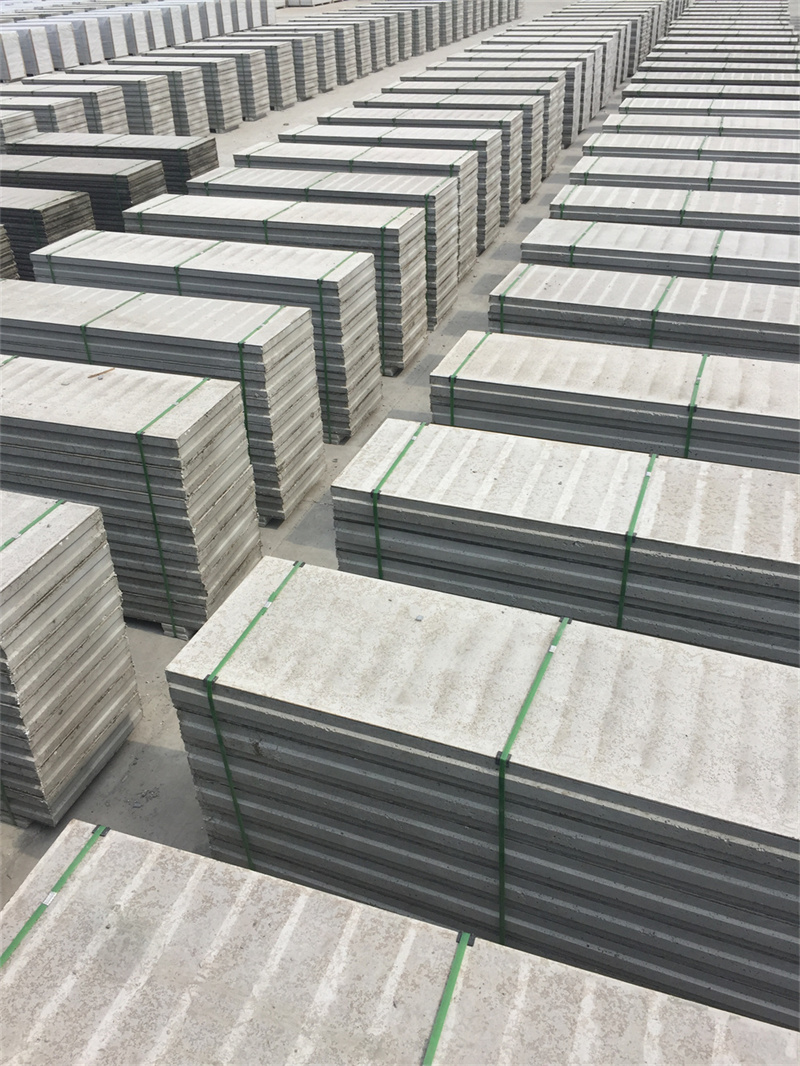
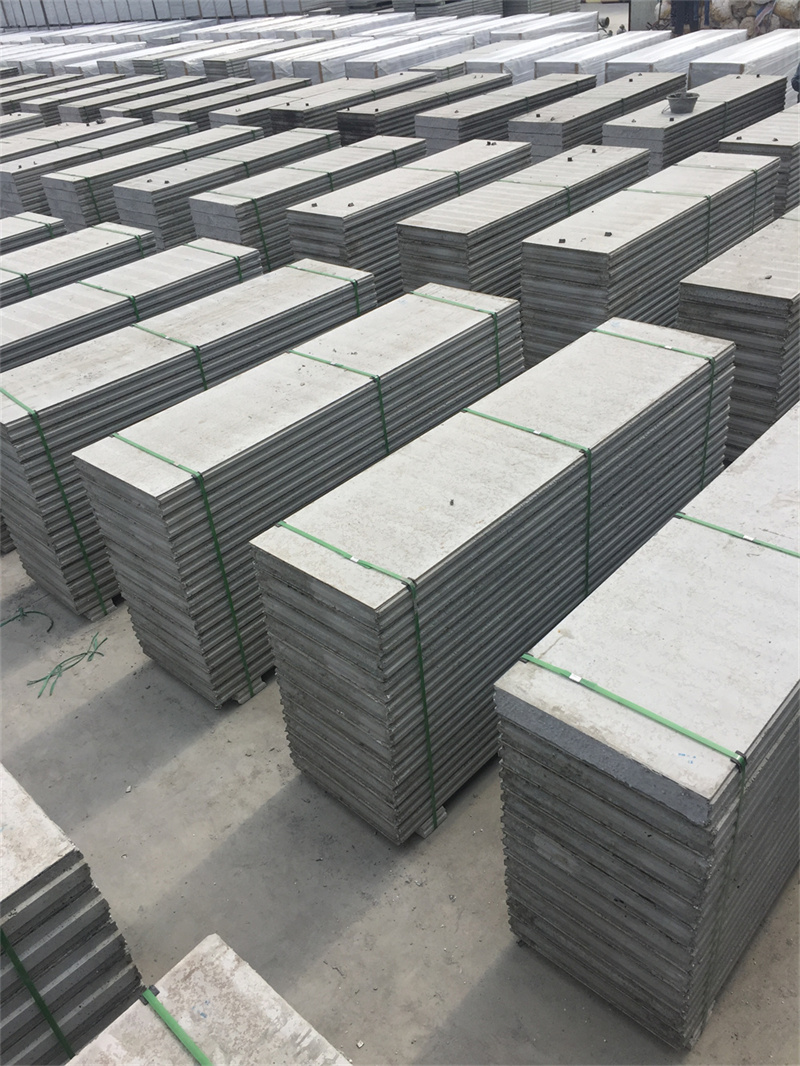
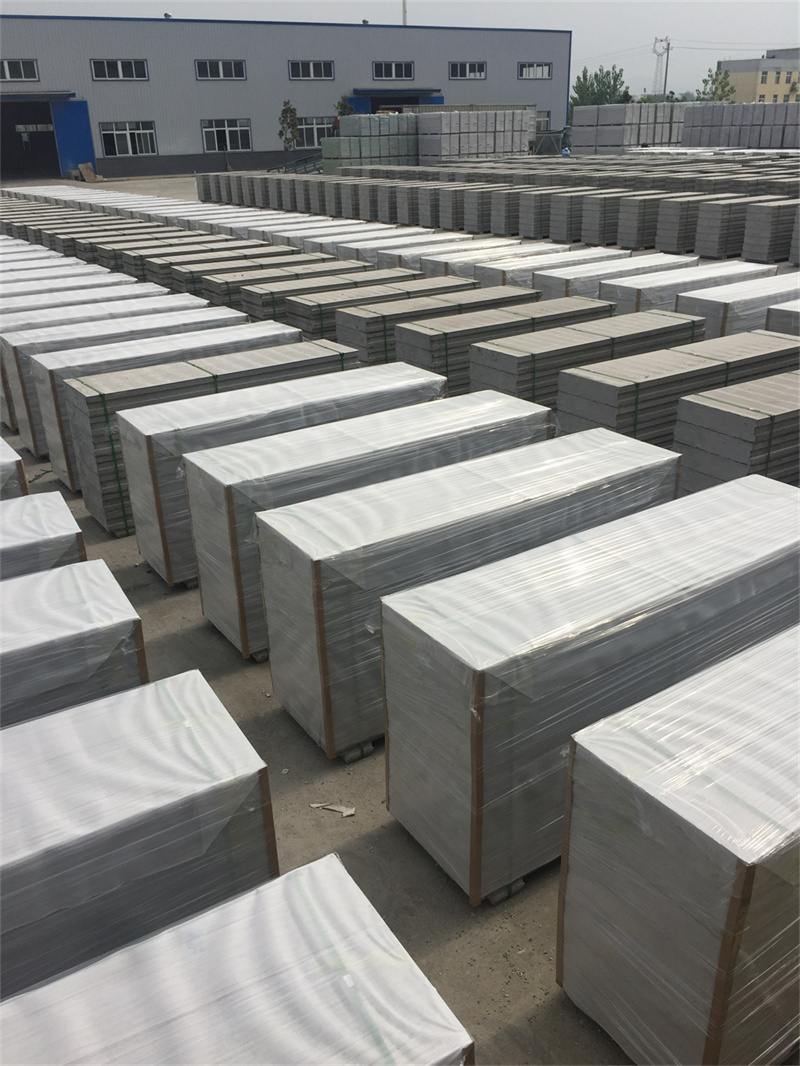
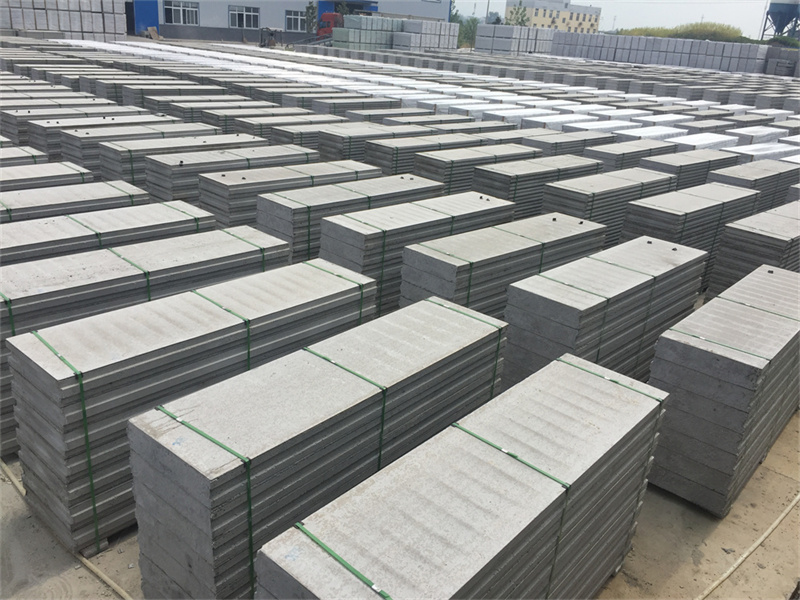
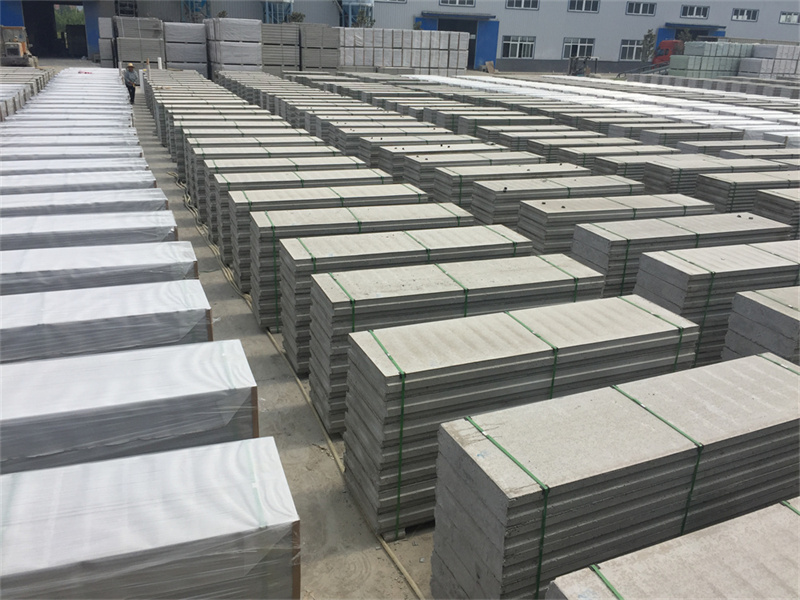
All EPS Cement Sandwich Panels are prefabricated in the factory with exact sizes according to the project drawing, so there is almost no leftover material on the construction site. Unlike bricks that always have many broken pieces during transportation and installation, the panels are packed with protective films, so the breakage rate during transportation is less than 1%. The dry installation process does not use any cement mortar on site, so there is no leftover mortar waste at all. When you need to cut slots for wiring, the material removed from the panel is clean EPS and cement debris, which can be 100% recycled and reused in the manufacturing process of new panels. Even if you need to modify the wall layout a few years later, you can disassemble the panels completely without damaging them, and reuse them in other renovation projects. This circular usage model makes EPS Cement Sandwich Panel one of the most eco-friendly wall materials available on the market today. Many green building certification projects now use this panel as a key material to meet their construction waste reduction targets, and it has helped many projects get extra green building points easily.

Install Wall Mounted Gym Equipment On EPS Cement Sandwich Panel

When people build a home gym or a commercial fitness center, one of the most critical requirements is that the walls can hold all kinds of heavy wall-mounted gym equipment. Pull-up bars, wall-mounted squat racks, heavy punching bags and fitness mirror frames all generate huge dynamic impact force when in use, which ordinary walls simply cannot withstand. Many people have had the experience that their newly installed pull-up bar gets pulled off the wall after a few uses, causing serious safety accidents. The EPS Cement Sandwich Panel is strong enough to solve this problem perfectly.

The unique composite structure of EPS Cement Sandwich Panel can not only bear static heavy weight, but also absorb and disperse the huge dynamic impact force generated during exercise. When you install a wall-mounted pull-up bar, you do not need to find the hidden studs behind the wall like you do with drywall. You can directly drive long self-tapping screws through the panel, and the panel will hold the screws so firmly that even repeated intense pull-ups will not make them loose. A properly installed panel can easily support a 100kg heavy punching bag that swings violently for hours every day, no extra reinforcement needed. For commercial gyms, you can also mount full wall length fitness mirrors, suspension training straps and heavy storage racks for dumbbells and kettlebells directly on the panel surface. The panel’s cement surface is also very easy to clean, sweat and fitness dust can be wiped off completely with a simple wet cloth, and it will not absorb odor or get stained permanently. Many new boutique fitness studios now use this panel for all their interior walls, because it completely eliminates all safety concerns about heavy wall-mounted fitness equipment.

EPS Cement Sandwich Panel For School Classroom Partition Renovation

School renovation projects have extremely strict requirements that almost no other type of construction project has. The whole renovation must be completed completely within the short summer vacation, so that the new classrooms can be put into use when students come back for the new semester. The wall material must be non-toxic, zero-formaldehyde, fire safe, and able to support heavy teaching fixtures such as blackboards, projector screens and bookshelves. The EPS Cement Sandwich Panel has become the first choice for more and more school renovation projects for all these reasons.

The ultra-light weight of EPS Cement Sandwich Panel means that it will not add extra load to the original school building structure, which is a very important consideration for old school buildings that were built decades ago. The installation process is completely dry, no cement mixing work is needed, so there will be no messy mud left on the classroom floor that takes weeks to clean. Workers can cut slots on the panel easily to lay new power lines for smart whiteboards, multimedia teaching equipment and classroom lighting systems. The panel’s A1 non-combustible fire rating fully meets the strict school building fire safety standards, and it releases no harmful volatile substances after installation. After the panels are installed, you only need to wait 2-3 days for the paint to dry, and the classroom is ready for use, no long formaldehyde removal period is required. A standard 30-square-meter classroom partition can be fully installed in half a day, which means a whole school renovation project with 20 new classrooms can be finished in less than 2 weeks. This leaves more than enough time for other finishing work before the new semester begins.

Avoid Cracked Wall Finishes With Proper Slot Repair On EPS Cement Sandwich Panel

One of the most common problems after wall renovation is cracks appearing along the slot positions where wires and pipes are buried. These ugly cracks usually show up a few months after the renovation is finished, ruining the perfect paint or tile surface and making homeowners very unhappy. Many people think this problem is unavoidable for all lightweight wall panels, but in fact, if you use the right repair method on EPS Cement Sandwich Panel, you can completely eliminate these cracks forever.

After you finish cutting the slot and placing the wires or pipes inside the EPS Cement Sandwich Panel, you should not just fill the slot with ordinary cement putty directly. The correct process is very simple but often overlooked. First, use a brush to clean all the dust and loose debris inside the slot completely, then apply a thin layer of interface agent on the inner surface of the slot to improve the adhesion between the panel and the filling material. Then fill the slot in two separate layers, instead of filling it all at once. Wait for the first layer to dry completely before applying the second layer, and make sure the filling material is slightly lower than the original panel surface. After the filling material is fully cured, stick a layer of anti-crack fiber mesh tape over the repaired slot position, and then apply the final thin layer of putty to make the whole surface completely flat. This simple process will ensure that the repaired area has the same expansion and contraction rate as the original EPS Cement Sandwich Panel, so no cracks will appear even after several years of temperature and humidity changes. Hundreds of thousands of completed projects have proven that when you follow this standard repair process, the slot repair area will stay perfectly intact for more than 10 years without any cracks.

EPS Cement Sandwich Panel Speeds Up Temporary Medical Facility Construction

When public health emergencies occur, the most critical thing is to build a large number of available isolation rooms and temporary medical facilities in the shortest possible time. Every hour saved in construction can help treat more patients and stop the spread of the epidemic. In these urgent scenarios, traditional brick and concrete wall construction methods are far too slow to meet the tight deadline, and even ordinary prefab wall materials often cannot balance speed and basic performance requirements. The EPS Cement Sandwich Panel has become the core wall material for these emergency medical construction projects around the world.

A standard 1000-bed temporary medical facility requires thousands of square meters of partition walls to separate each independent patient room. Using EPS Cement Sandwich Panel, a large construction team can install more than 500 square meters of walls in a single day. The panel’s smooth surface can be directly sprayed with antibacterial coating, which is a mandatory requirement for medical spaces. You can quickly cut slots on the panel to lay all the medical oxygen pipes, power lines for medical equipment and data cables for monitoring systems, without any complicated concrete chiseling work. The panel’s non-combustible A1 fire rating fully meets strict medical building safety standards, and its good sound insulation performance ensures that patients in adjacent rooms will not disturb each other. After the emergency period ends, these panels can also be disassembled easily, transported to other locations and reused for other temporary facilities, which greatly reduces construction waste and total project cost. This combination of ultra-fast installation, reliable performance and reusability makes it irreplaceable for all kinds of rapid public facility construction.