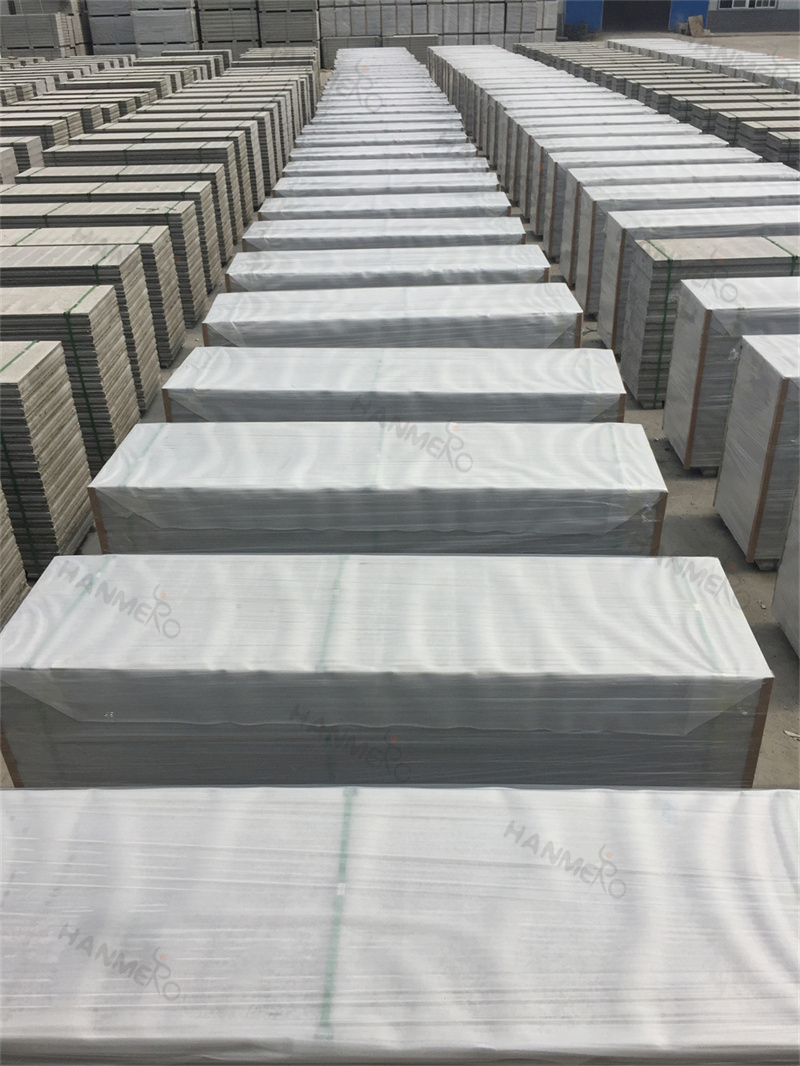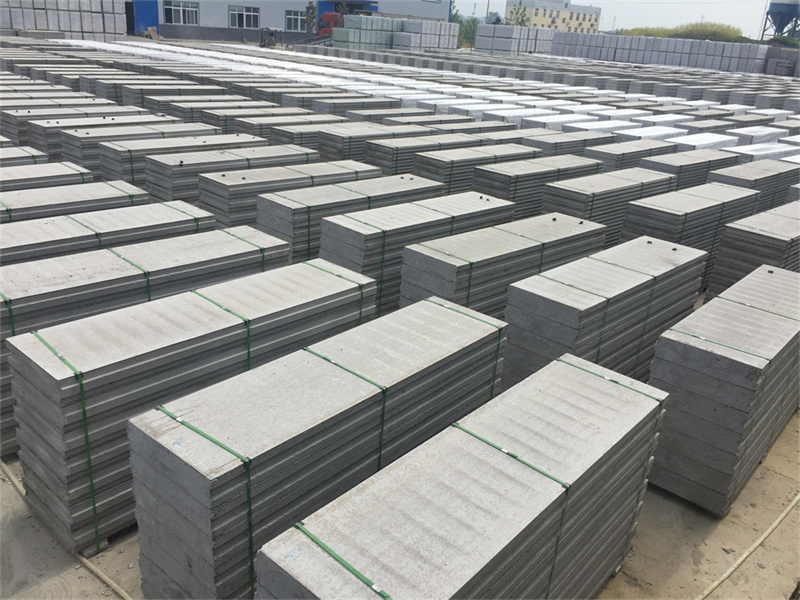
Many builders working in regions with extremely cold winter climates have concerns about how EPS cement sandwich panel will perform when exposed to months of sub zero temperatures, freeze thaw cycles and heavy snow load. Independent long term testing carried out in northern China, Canada and Scandinavia over the last 12 years has proven that high quality EPS cement sandwich panel not only survives these harsh conditions, it actually outperforms most traditional wall systems built for cold climate use.
In standardized freeze thaw cycle testing, where panels were repeatedly frozen at -30 degrees Celsius and then thawed at 20 degrees Celsius more than 100 times, the EPS cement sandwich panel retained more than 98 percent of its original compressive strength. There was no surface cracking, no delamination between the cement layers and EPS core, and no visible degradation of any kind. This performance is far better than traditional concrete and clay brick walls, which often develop surface cracking after dozens of freeze thaw cycles as trapped water inside the material expands and contracts.
The continuous insulation performance of EPS cement sandwich panel also completely eliminates the condensation and internal mold growth that plagues many cold climate walls. Because the entire wall surface stays consistently above the dew point temperature on the warm internal side, there is nowhere for moisture to condense and accumulate inside the wall cavity. Long term monitoring of buildings in northern regions that have used EPS cement sandwich panel for more than 10 years has found zero instances of hidden internal mold growth inside the walls, which is a very common problem in traditionally insulated cold climate buildings that leads to poor indoor air quality and expensive structural repairs.