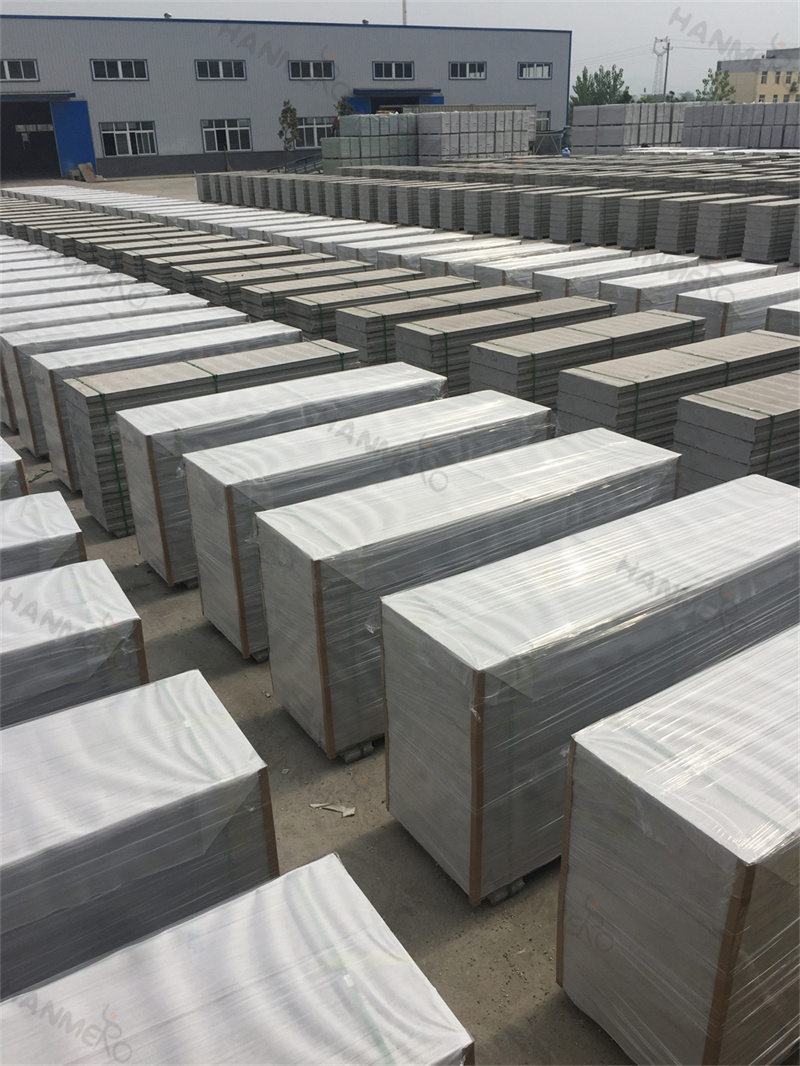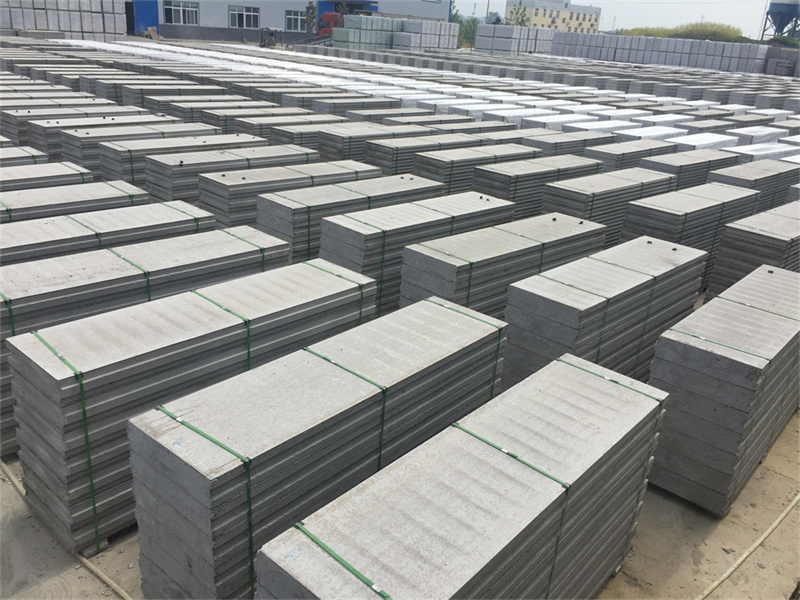
Construction waste is one of the biggest growing problems in dense urban cities, where landfill space is extremely limited and local governments are introducing strict new regulations that heavily fine construction sites for excessive waste generation. Traditional masonry construction generates huge volumes of waste including broken bricks, leftover cement, plaster debris and packaging material, and these sites often struggle to meet new low waste construction requirements. EPS cement sandwich panel is one of the most effective tools to drastically cut construction site waste and help projects meet strict urban environmental rules.
Every EPS cement sandwich panel is pre cut to exact custom dimensions in the factory according to the project’s architectural drawings. This means when the panels arrive on site, there is almost no need for on site cutting at all. For a typical 10,000 square meter building project, total construction waste from wall installation using EPS cement sandwich panel is less than 2 percent of the total wall material, compared to 15 to 20 percent waste that is standard for traditional clay brick and block masonry. This massive reduction in waste means construction sites spend far less money on waste disposal, skip rental and waste transportation, which are all very expensive in dense urban areas.
Because the panels are so light and modular, they can be easily reused if the building layout is modified during later renovation work. Unlike brick walls that get demolished and sent directly to landfill during renovations, intact EPS cement sandwich panels can be carefully removed, transported and reinstalled in a different location. This circular design characteristic means these panels can have multiple service lives across different construction projects, drastically reducing their total environmental impact. Many urban construction projects that have adopted this material have reported cutting total construction waste generation by more than 80 percent, easily meeting even the strictest local city waste regulations.