Category: Blog

Category: Blog

Top 7 Installation Mistakes to Avoid When Working With EPS Cement Sandwich Panel

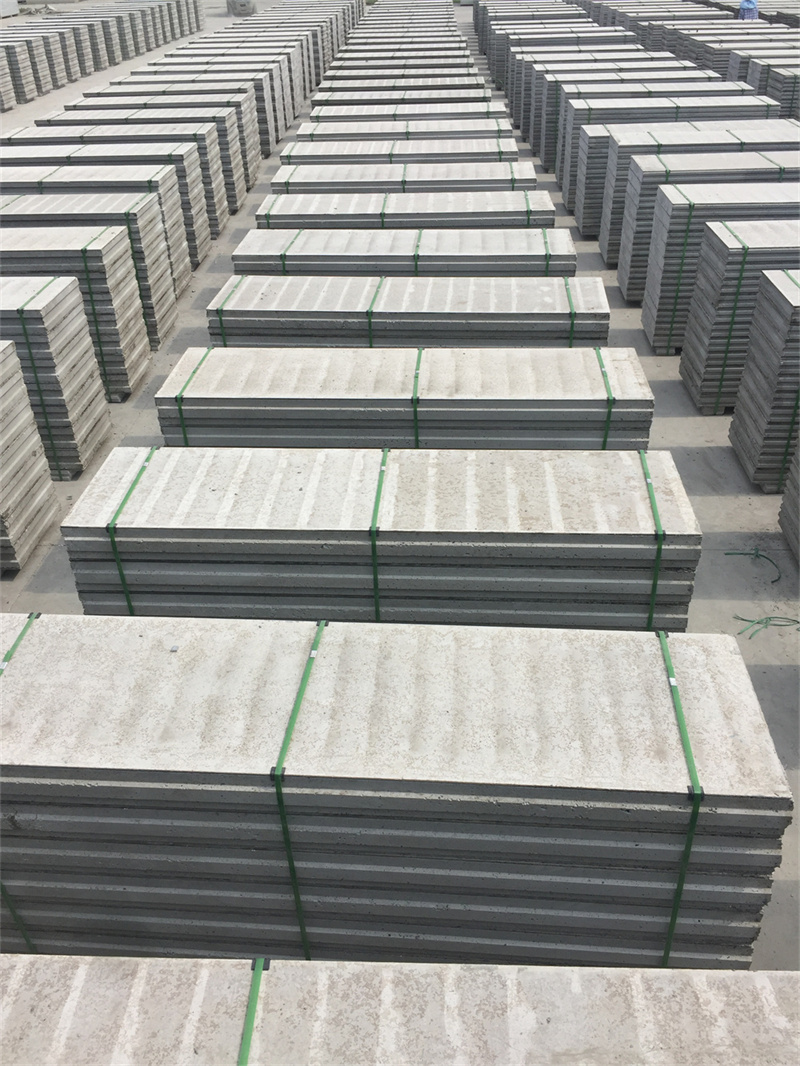
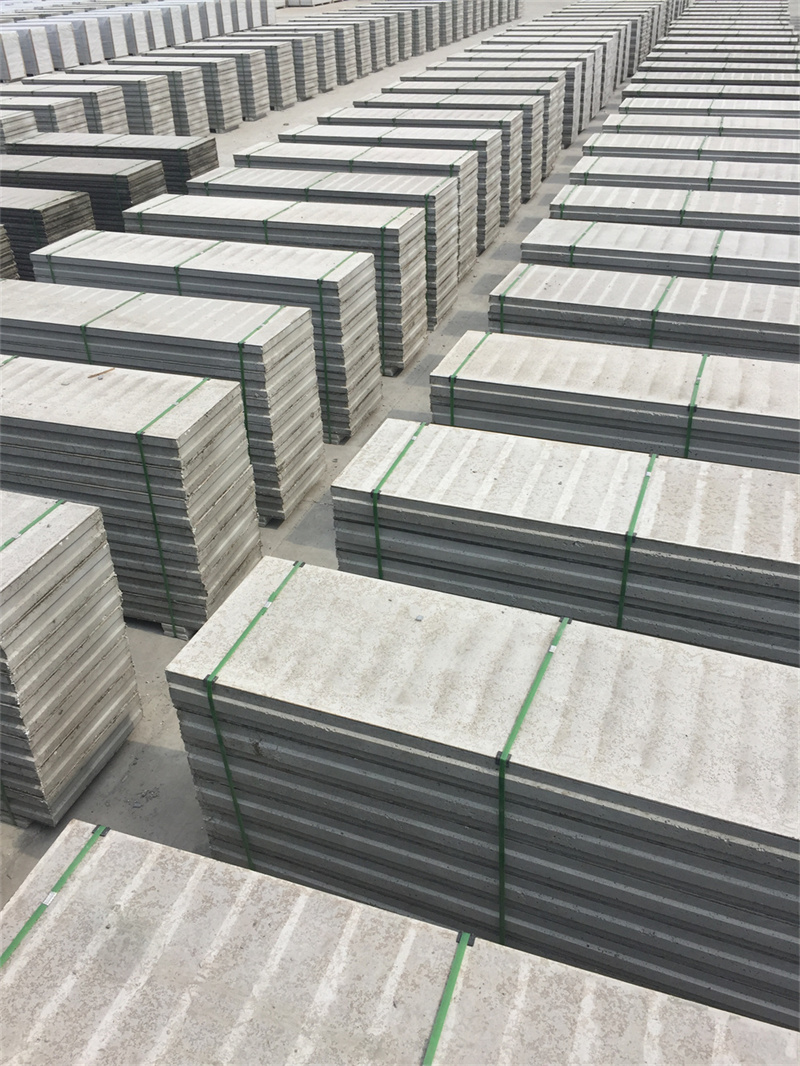
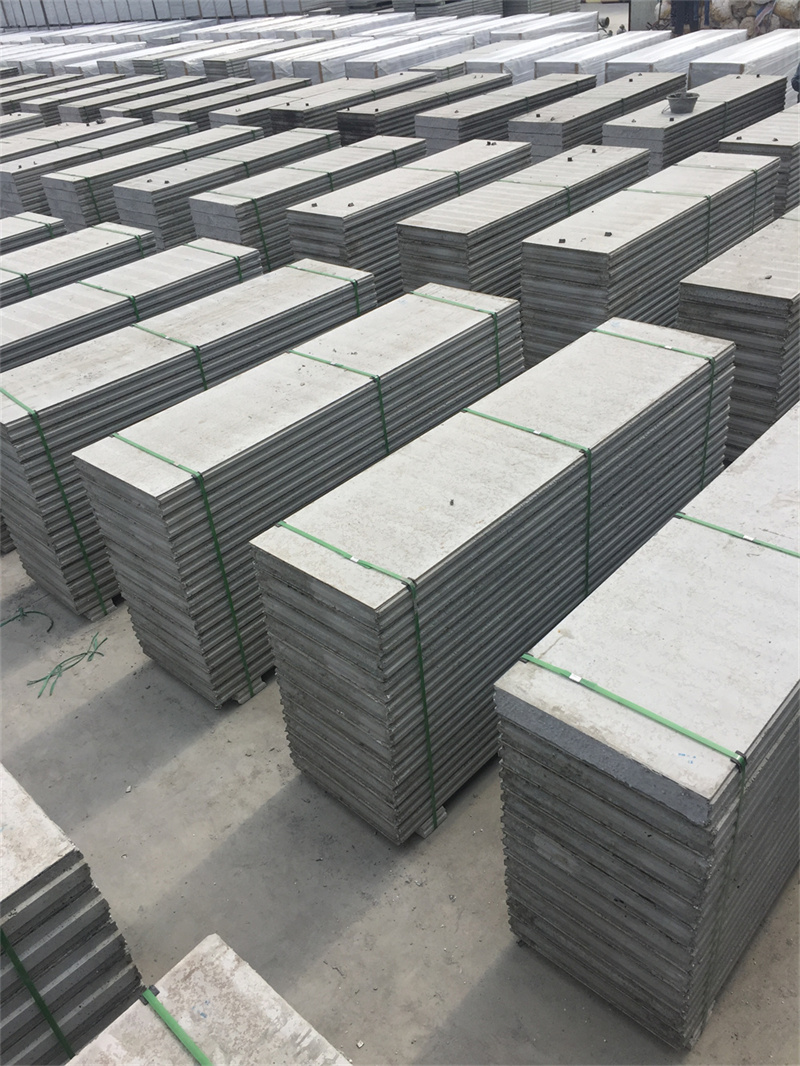
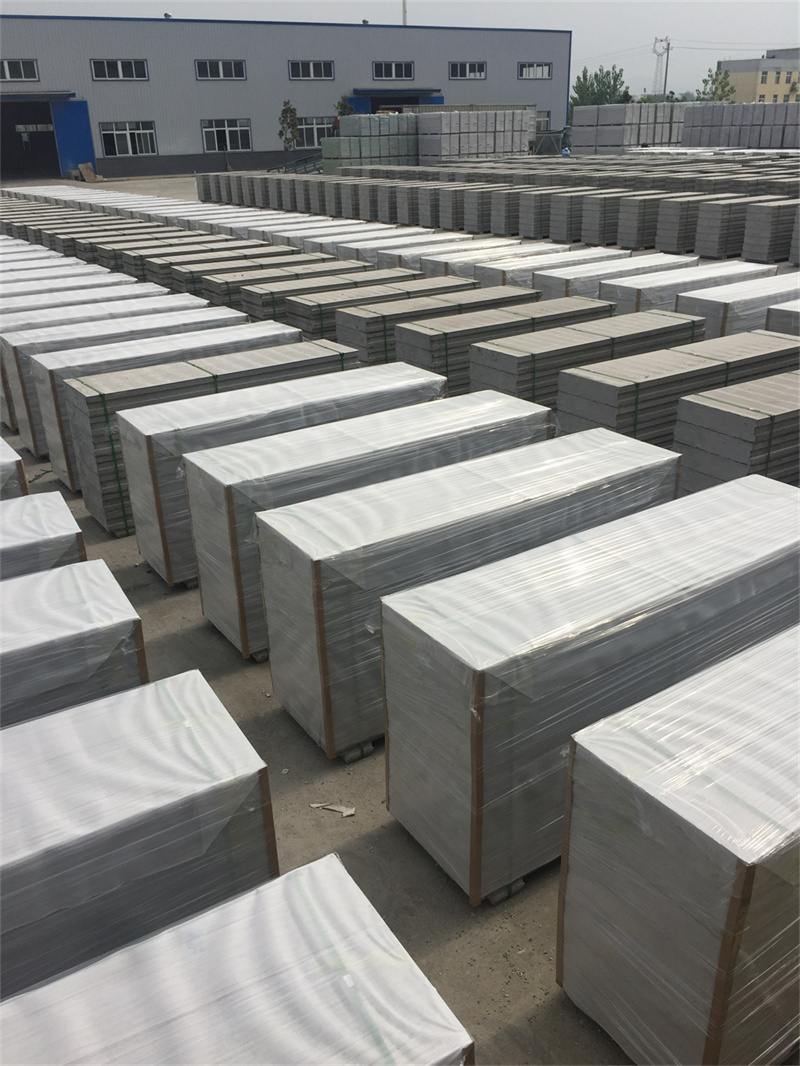
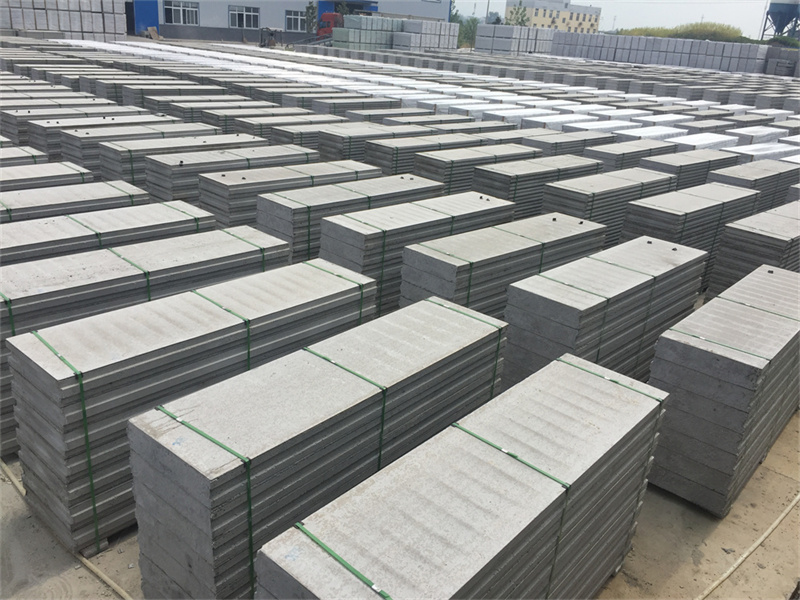
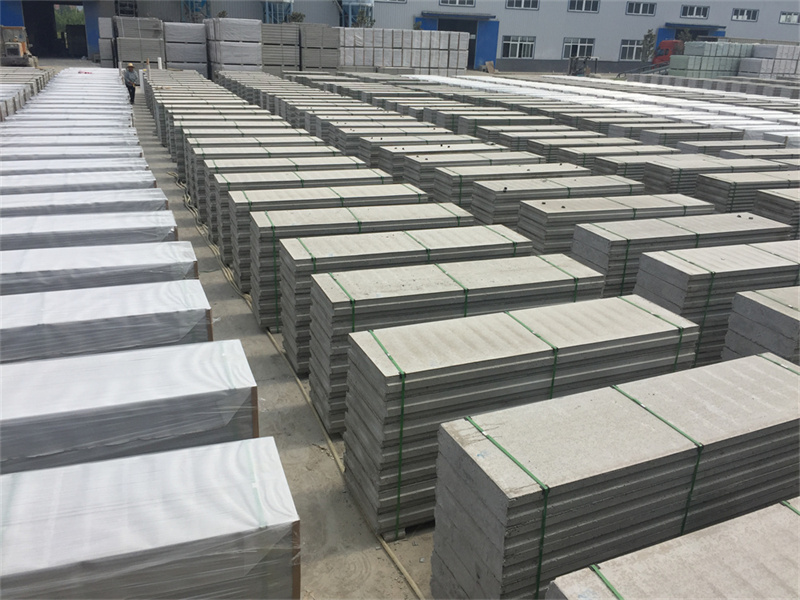
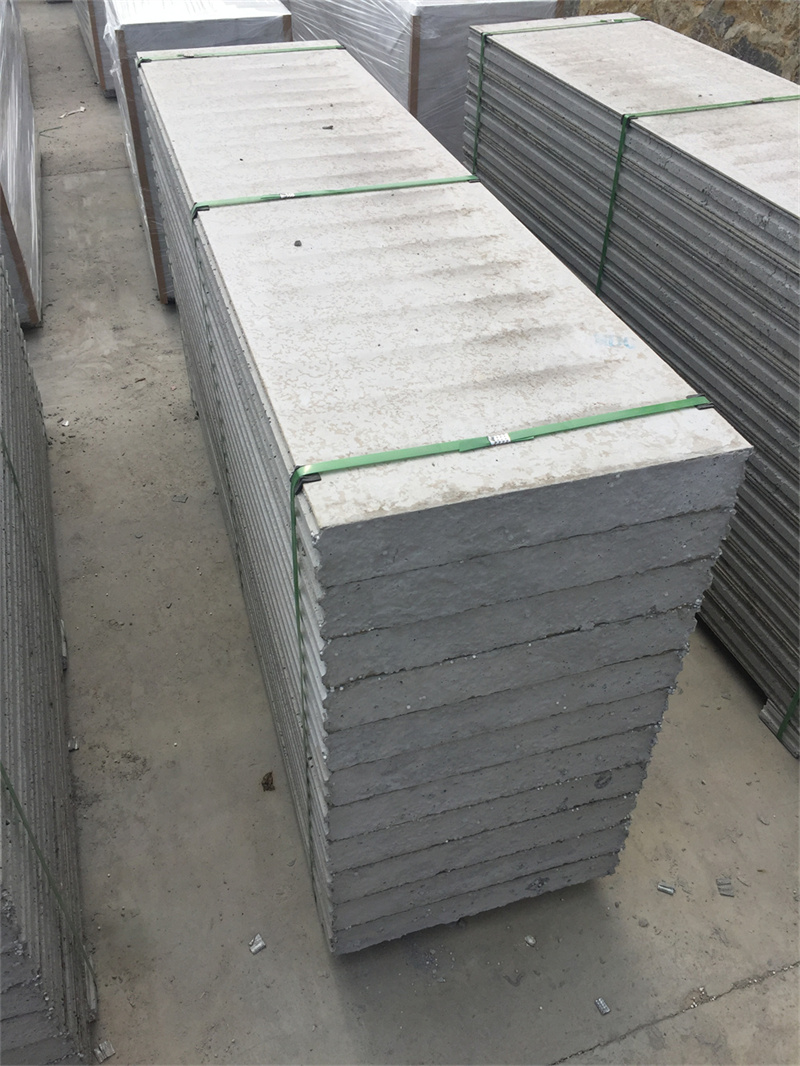
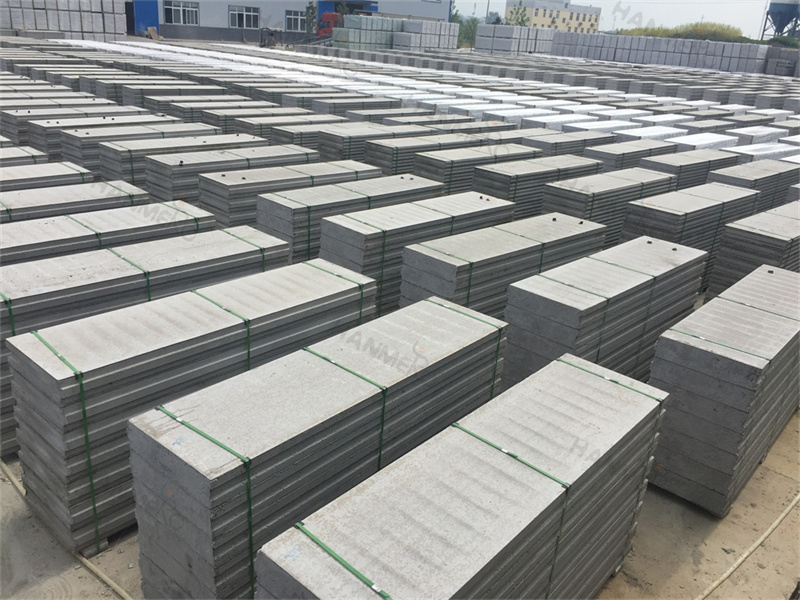
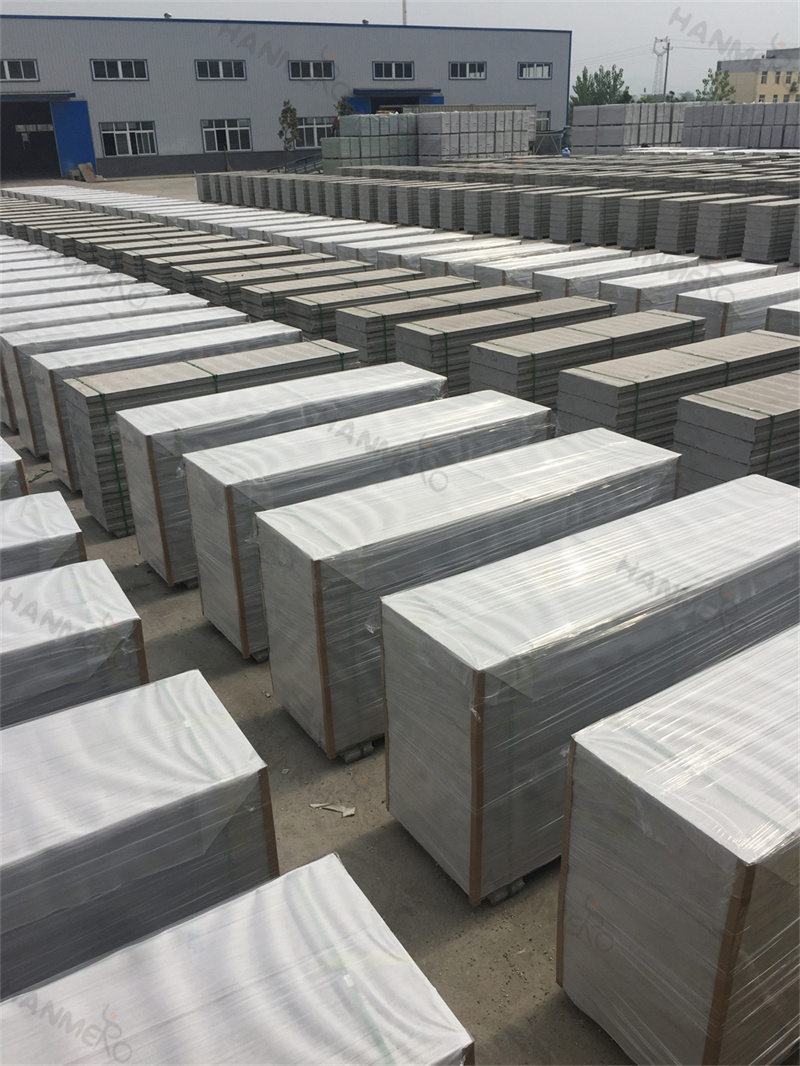
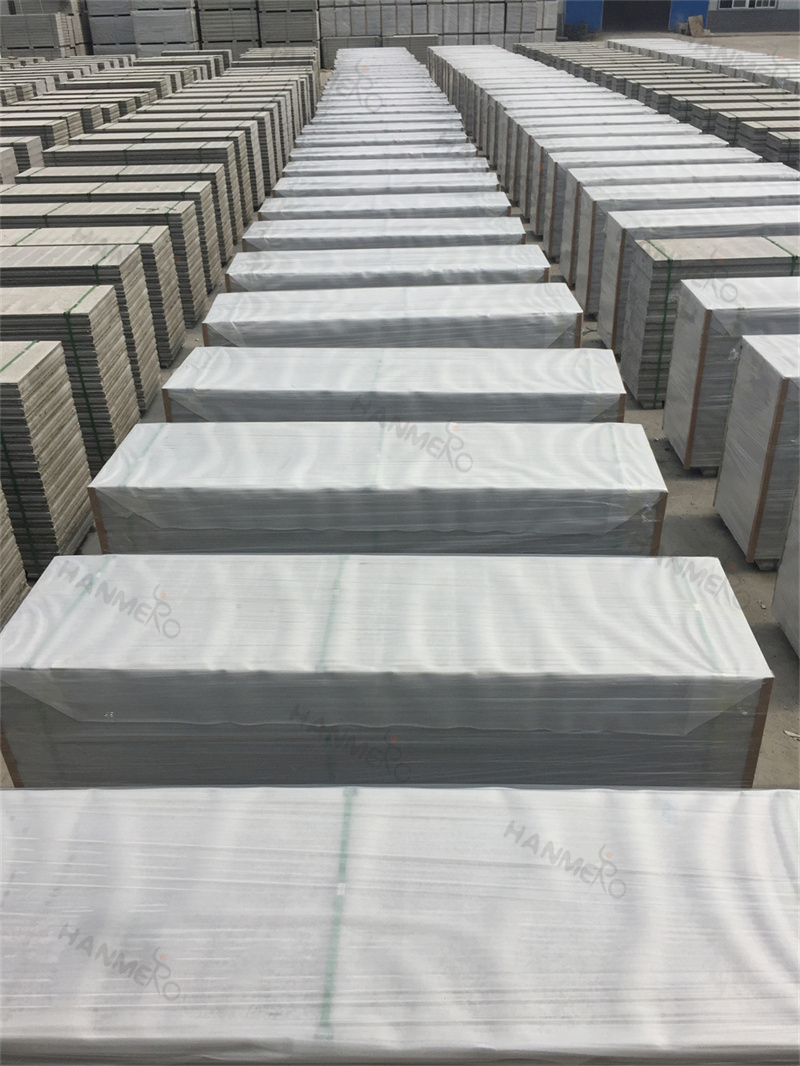
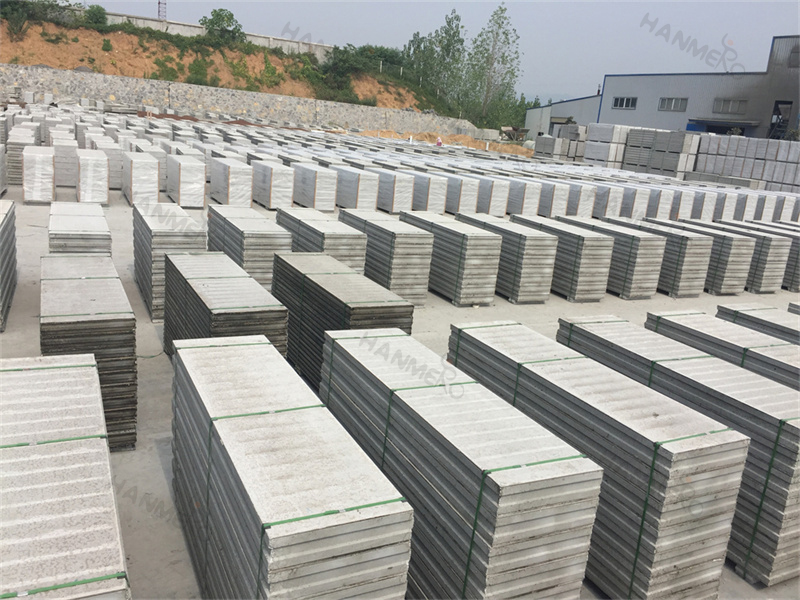
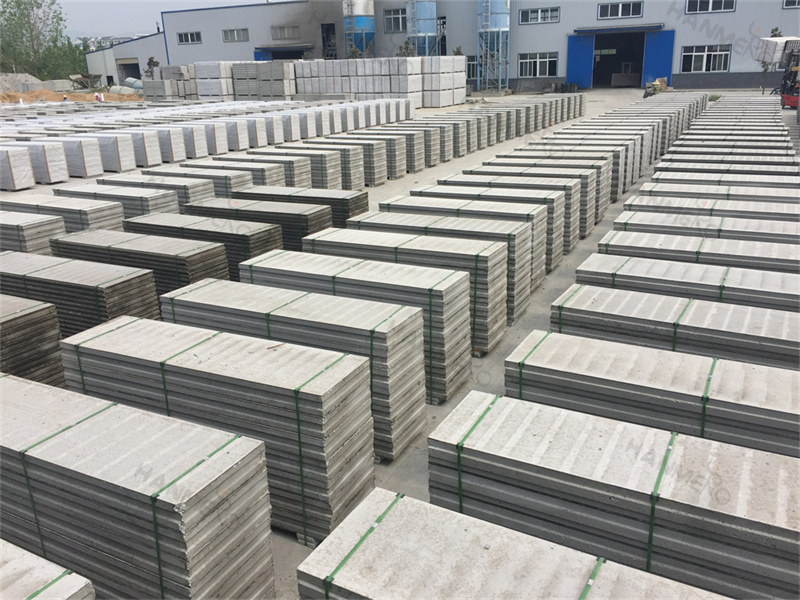
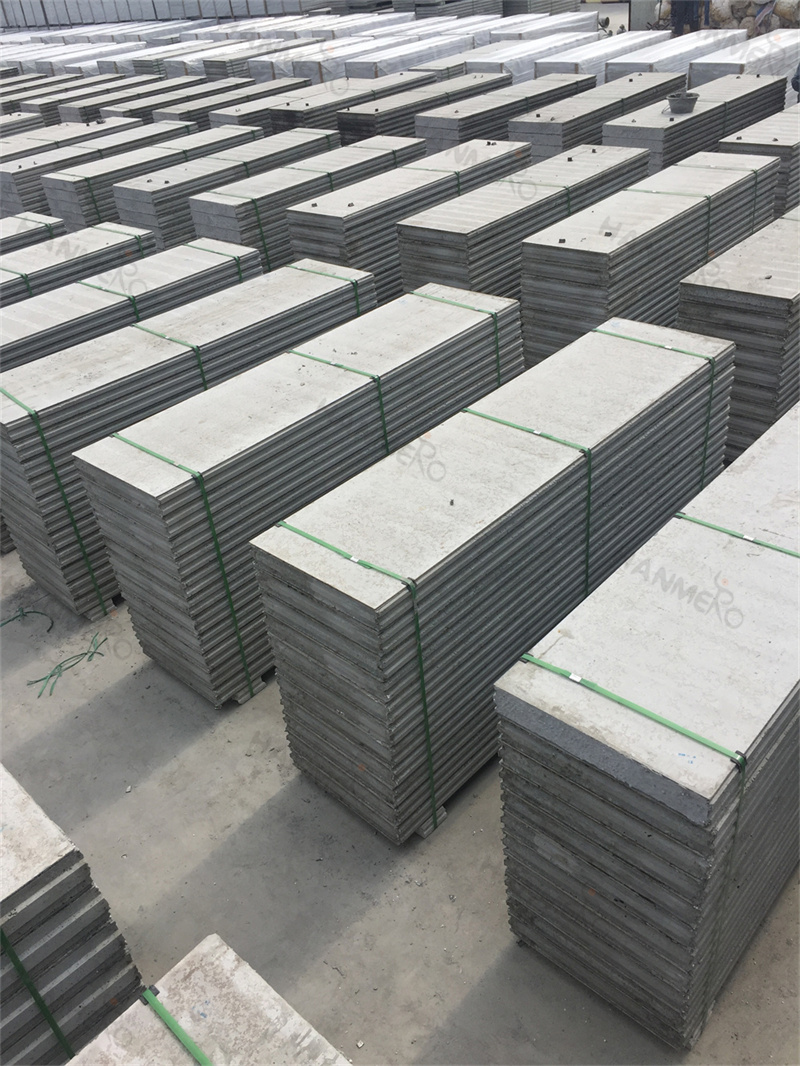
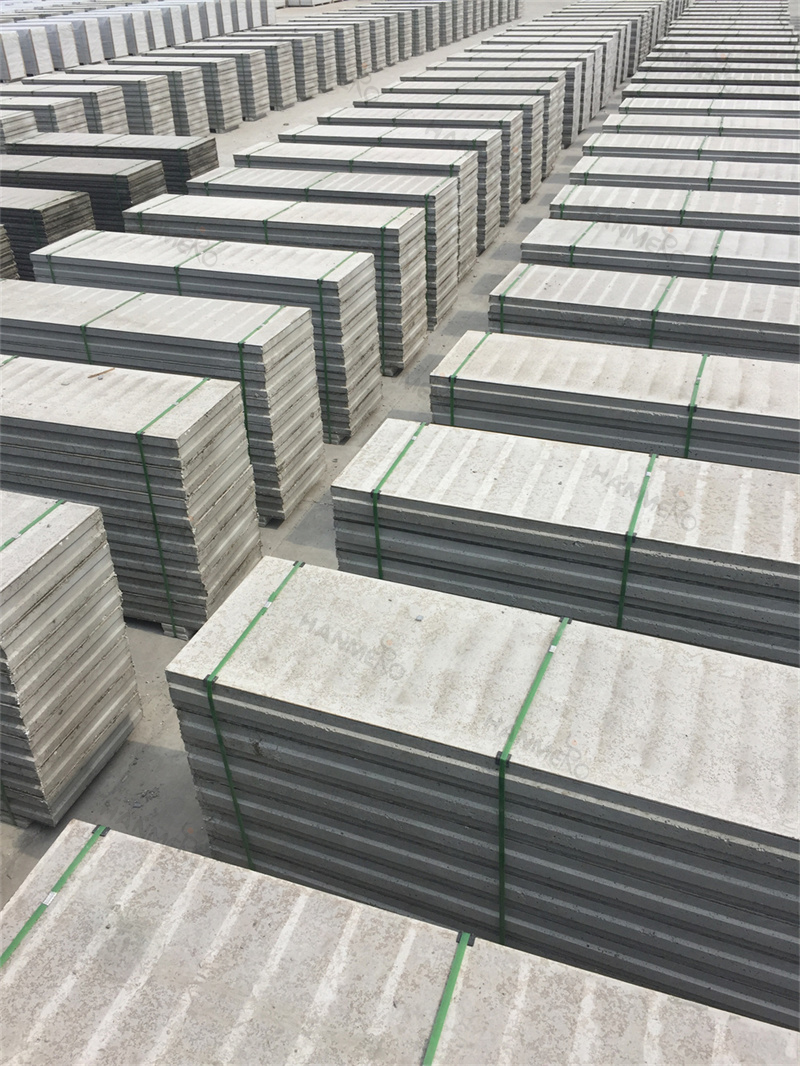
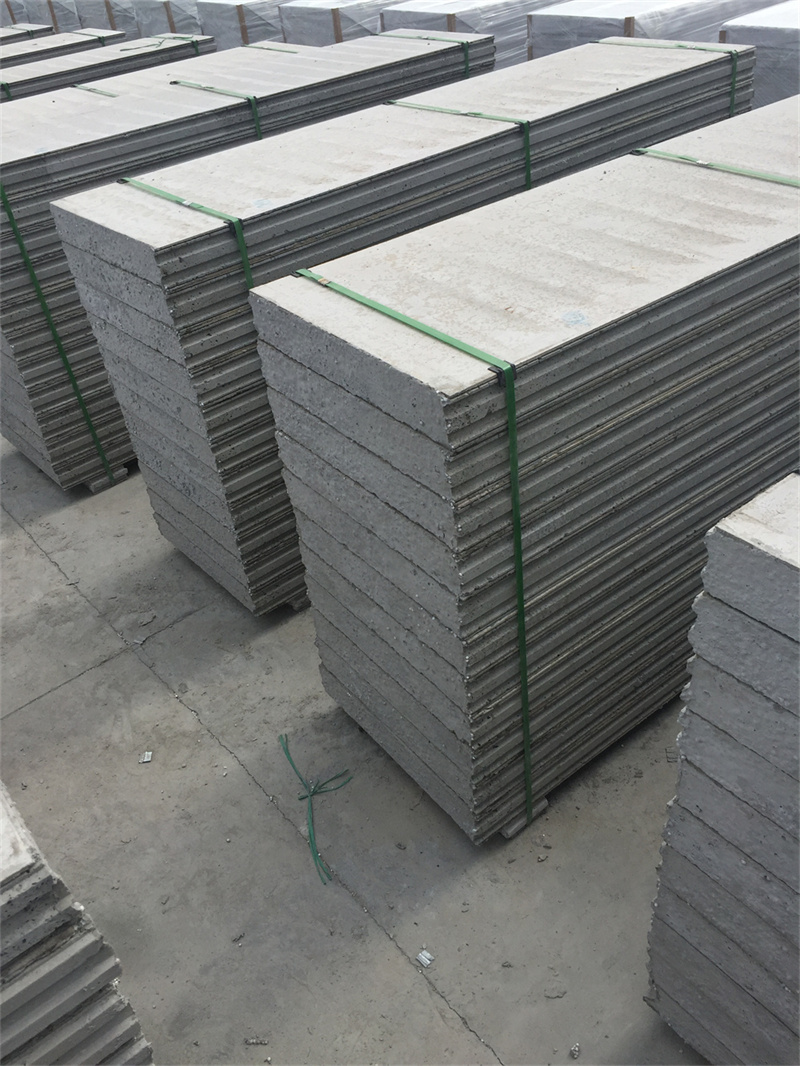
Even though the EPS Cement Sandwich Panel is designed to be extremely user friendly for construction teams of all experience levels, there are still several common installation mistakes that can reduce its long term performance, create hidden maintenance issues and even void product warranties. Understanding these errors before you start working on site will help you get the full expected performance and service life from every EPS Cement Sandwich Panel you install.

The first and most frequent mistake many new teams make is not leaving a proper 3mm expansion gap between adjacent EPS Cement Sandwich Panel units. Many installers try to push panels tightly together to create a perfectly seamless joint, but this leaves no space for the minor thermal expansion that happens when outdoor temperatures rise in summer. Without this small gap, panels can push against each other, create visible cracks along joints and even cause slight warping across large wall areas. You should fill this gap with flexible neutral cure silicone sealant instead of hard cement mortar, so the joint can absorb small movements without breaking.

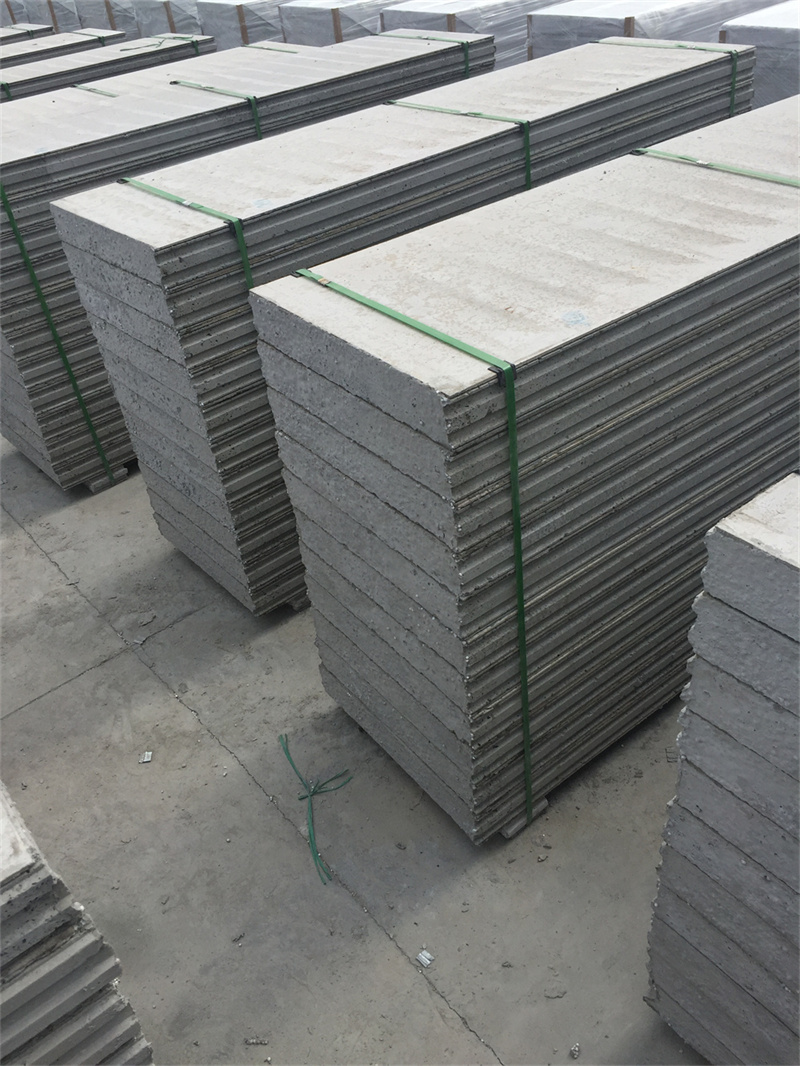
Another critical mistake is creating unnecessary holes or deep cuts across the middle section of a full size EPS Cement Sandwich Panel. The structural strength of the panel comes from the continuous two outer cement layers working together with the EPS core. If you cut a large opening for pipes or wiring straight through the center of the panel without adding extra edge reinforcement, you will weaken the overall load bearing capacity of the wall section. All wiring and plumbing channels should be pre routed along the designated edge grooves on the panel, or planned into the factory pre fabrication stage before panels are shipped to site. Other common mistakes include not applying the recommended waterproof sealant along the bottom panel edge where it meets the floor, using regular cement screws without washers that can crack the cement board surface, and stacking panels directly on bare wet ground during storage before installation.
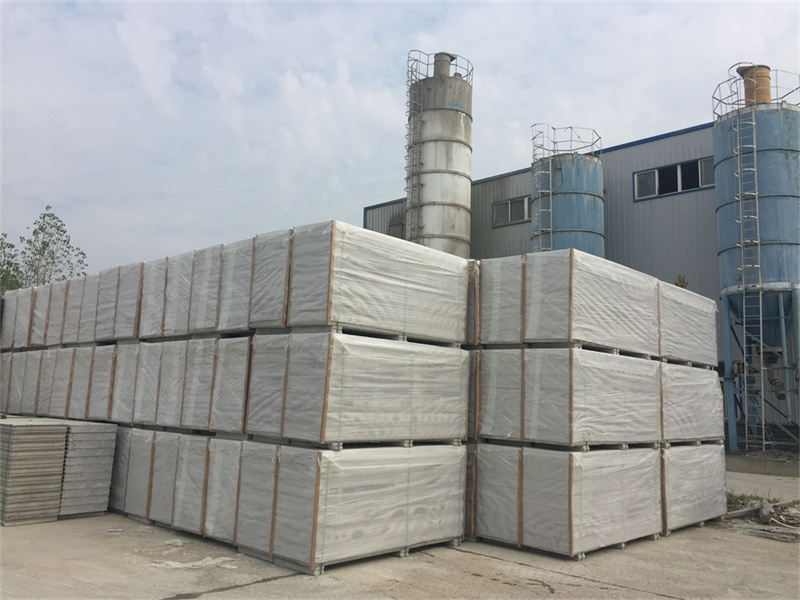
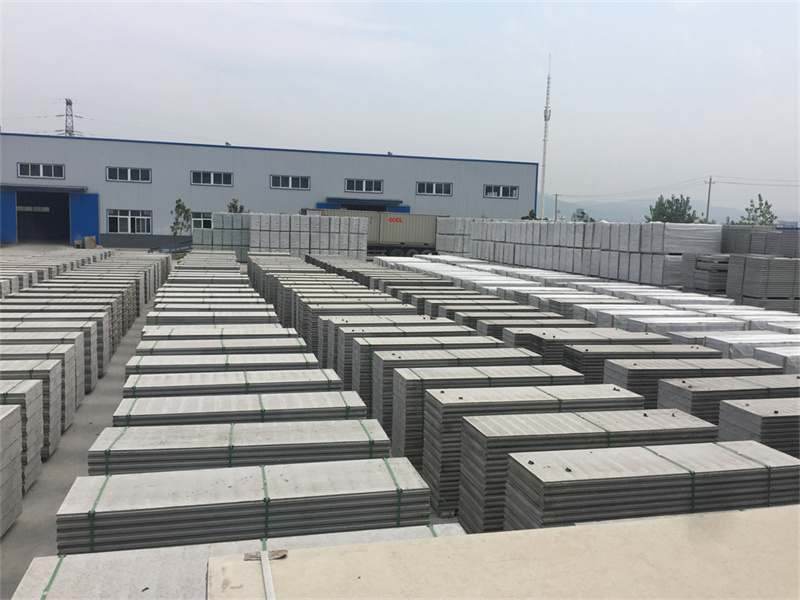
How EPS Cement Sandwich Panel Cuts Your Residential Construction Cost by 30 Percent

For residential builders and homeowners looking for ways to bring down project budgets without sacrificing build quality, the EPS Cement Sandwich Panel has become a game changing material that delivers real measurable savings at every stage of construction. Traditional home building relies on heavy solid bricks, on site mixed concrete and multiple layers of separate insulation materials, all of which add up to high material costs, large transportation fees and expensive manual labor. By switching to EPS Cement Sandwich Panel, you eliminate almost all of these unnecessary extra expenses right from the planning phase.

The biggest cost saving from EPS Cement Sandwich Panel comes from its extremely light weight. A standard 3 meter long panel weighs less than 70 kilograms, meaning two construction workers can carry and position it without heavy lifting equipment or extra structural support for transport. This cuts on site labor time for wall installation by more than 60%, as teams can finish an entire floor of exterior and interior walls in two days instead of the two weeks required for brick masonry. Since the panel already comes with a smooth cement surface directly from the factory, you do not need to apply a thick layer of base plaster before painting, saving even more money on finishing materials and work hours.

Long term cost savings continue long after the home is completed. The excellent thermal insulation performance of the EPS Cement Sandwich Panel keeps indoor temperatures stable across all four seasons, so average households can reduce their monthly electricity bills for heating and cooling by hundreds of dollars every year. The panel is also highly resistant to moisture, termite damage and minor impacts, requiring almost no maintenance for more than 25 years after installation. Many home builders who switched to this material report that they can deliver a finished new home 30% under the original budget, while still meeting all local building safety codes and comfort requirements.

EPS Cement Sandwich Panel The Ultimate Energy Efficient Building Material for 2026

As global construction projects shift toward lower carbon footprints and stricter energy efficiency codes, the EPS Cement Sandwich Panel has emerged as one of the most reliable building solutions available in 2026. This panel features a lightweight expanded polystyrene core sandwiched between two layers of high strength reinforced cement boards, creating a single integrated unit that balances structural stability, thermal insulation and construction speed. Unlike traditional concrete block walls that require multiple layers of insulation, plaster and finishing work, the EPS Cement Sandwich Panel arrives on site as a finished unit that can be lifted and installed in minutes.

Independent field tests show that a standard 100mm thick EPS Cement Sandwich Panel delivers thermal performance equivalent to a 400mm thick solid brick wall, reducing annual heating and cooling energy consumption by up to 45% for residential and commercial buildings. This dramatic reduction in energy use not only cuts monthly utility bills for property owners, but also helps projects meet national green building certification requirements without adding extra construction complexity.

One of the most underrated advantages of the EPS Cement Sandwich Panel is its consistent performance across different climate zones. In cold northern regions, the closed cell EPS core prevents thermal bridging that often causes condensation and mold growth inside wall cavities. In hot tropical areas, the panel blocks over 70% of external solar heat from entering indoor spaces, lowering peak air conditioning loads during summer afternoons. Construction teams also report that working with these panels reduces total project timeline by 30% compared to traditional masonry, as there is no waiting time for cement curing or long drying periods between wall coats.

Common Installation Mistakes To Avoid With EPS Cement Sandwich Panel

While EPS cement sandwich panel is an extremely forgiving and easy to install building material, there are a small number of very common installation mistakes that inexperienced teams make that can lead to avoidable performance issues later on. Understanding these mistakes before you start your first project will help you deliver perfectly finished walls that perform exactly as the manufacturer intended, with zero post construction issues.

The most frequent mistake teams make is not leaving a small 5mm expansion gap between the top of the panel and the building’s upper floor slab. Many new installers push the panels tight up against the slab to make them feel more secure, but this does not leave any room for minor structural movement or thermal expansion as the building settles. Over time, this constant pressure will cause the top of the panel to crack, and these cracks can transfer through to the finished paint surface. The correct practice is to leave this small gap, and fill it later with flexible fire resistant sealant that can absorb movement without cracking.

Another common mistake is using regular gypsum joint compound instead of cement based joint mortar to fill the panel tongue and groove joints. Gypsum joint compound does not have the same strength and water resistance as the rest of the EPS cement sandwich panel, and it will develop cracks very quickly as the building settles. Always use the specialized cement based joint mortar recommended by the panel manufacturer, and make sure you embed alkali resistant fiberglass mesh tape across every single joint. This small extra step will ensure your wall joints stay perfectly smooth and crack free for the entire lifetime of the building.

How EPS Cement Sandwich Panel Reduces Waste On Busy Urban Construction Sites

Construction waste is one of the biggest growing problems in dense urban cities, where landfill space is extremely limited and local governments are introducing strict new regulations that heavily fine construction sites for excessive waste generation. Traditional masonry construction generates huge volumes of waste including broken bricks, leftover cement, plaster debris and packaging material, and these sites often struggle to meet new low waste construction requirements. EPS cement sandwich panel is one of the most effective tools to drastically cut construction site waste and help projects meet strict urban environmental rules.

Every EPS cement sandwich panel is pre cut to exact custom dimensions in the factory according to the project’s architectural drawings. This means when the panels arrive on site, there is almost no need for on site cutting at all. For a typical 10,000 square meter building project, total construction waste from wall installation using EPS cement sandwich panel is less than 2 percent of the total wall material, compared to 15 to 20 percent waste that is standard for traditional clay brick and block masonry. This massive reduction in waste means construction sites spend far less money on waste disposal, skip rental and waste transportation, which are all very expensive in dense urban areas.

Because the panels are so light and modular, they can be easily reused if the building layout is modified during later renovation work. Unlike brick walls that get demolished and sent directly to landfill during renovations, intact EPS cement sandwich panels can be carefully removed, transported and reinstalled in a different location. This circular design characteristic means these panels can have multiple service lives across different construction projects, drastically reducing their total environmental impact. Many urban construction projects that have adopted this material have reported cutting total construction waste generation by more than 80 percent, easily meeting even the strictest local city waste regulations.

Cold Climate Performance Testing Results For EPS Cement Sandwich Panel

Many builders working in regions with extremely cold winter climates have concerns about how EPS cement sandwich panel will perform when exposed to months of sub zero temperatures, freeze thaw cycles and heavy snow load. Independent long term testing carried out in northern China, Canada and Scandinavia over the last 12 years has proven that high quality EPS cement sandwich panel not only survives these harsh conditions, it actually outperforms most traditional wall systems built for cold climate use.

In standardized freeze thaw cycle testing, where panels were repeatedly frozen at -30 degrees Celsius and then thawed at 20 degrees Celsius more than 100 times, the EPS cement sandwich panel retained more than 98 percent of its original compressive strength. There was no surface cracking, no delamination between the cement layers and EPS core, and no visible degradation of any kind. This performance is far better than traditional concrete and clay brick walls, which often develop surface cracking after dozens of freeze thaw cycles as trapped water inside the material expands and contracts.

The continuous insulation performance of EPS cement sandwich panel also completely eliminates the condensation and internal mold growth that plagues many cold climate walls. Because the entire wall surface stays consistently above the dew point temperature on the warm internal side, there is nowhere for moisture to condense and accumulate inside the wall cavity. Long term monitoring of buildings in northern regions that have used EPS cement sandwich panel for more than 10 years has found zero instances of hidden internal mold growth inside the walls, which is a very common problem in traditionally insulated cold climate buildings that leads to poor indoor air quality and expensive structural repairs.

Creative Partition Wall Ideas For Apartments Using EPS Cement Sandwich Panel

For property developers building multi unit apartment buildings, one of the biggest challenges is creating flexible internal layouts that can adapt to changing tenant needs over decades of use. EPS cement sandwich panel is the perfect material for internal apartment partition walls, because it gives designers far more creative layout freedom than traditional masonry walls, while still delivering all the structural and performance benefits that residents expect.

One of the most popular modern design trends is using EPS cement sandwich panel to create half height feature walls that separate living and dining spaces without blocking natural light flow across the apartment. These half walls can be manufactured to exact custom heights, and they can be finished with integrated floating shelves, hidden cable management channels and built in lighting fixtures that would be extremely difficult to install in traditional block walls. The low weight of the panels means these feature walls do not require any extra structural support from the floor slab, so designers can place them anywhere in the open plan space without needing special engineering approval.

Developers are also using thin 75mm thick EPS cement sandwich panel to create extra flexible storage partition walls inside bedrooms, creating hidden walk in closets that do not take up valuable floor space. The excellent sound insulation performance of these thin panels means that even a 75mm wall between two bedrooms delivers better acoustic privacy than a 150mm thick AAC block wall, allowing developers to create more usable floor area inside each apartment without making the internal walls thicker. Many recent apartment projects that switched to this strategy found they could add 3 to 4 percent more sellable floor area to every unit, directly increasing total project revenue without expanding the overall building footprint.

The Cost Comparison EPS Cement Sandwich Panel Against AAC Block Construction

Autoclaved Aerated Concrete blocks, commonly known as AAC blocks, have been one of the most popular modern lightweight wall alternatives to traditional clay brick for more than 20 years, but EPS cement sandwich panel is quickly overtaking them as the more cost effective choice for most new construction projects. When you only compare the per square meter material cost, the two materials can look very similar, but once you calculate the full total installed cost across the entire project, the cost advantage of EPS cement sandwich panel becomes extremely clear.

AAC blocks still need to be laid one by one by skilled masons, using thick layers of cement mortar between every single block. This process is slow, labor intensive, and each 100 square meters of wall requires more than 10 days of work for a full masonry team. After the blocks are laid, the entire wall surface still needs 15 to 20mm of cement plaster applied over both sides, which adds even more material cost, labor time and curing wait time. EPS cement sandwich panel by comparison can be installed at a rate of 15 square meters per worker per day, and it only needs a 1 to 2mm thick skim coat instead of full heavy plaster. This cuts total on site labor cost for wall construction by more than 50 percent.

Over the long operational life of the building, the cost gap grows even wider. A standard 100mm AAC block has a thermal conductivity of roughly 0.16 W/mK, while the EPS core in a 100mm EPS cement sandwich panel has a thermal conductivity of 0.032 W/mK. This means the EPS cement sandwich panel delivers 5 times better thermal insulation performance than an equal thickness AAC block, leading to drastically lower annual heating and cooling costs for the building owner. For a typical 5000 square meter commercial building, this energy saving adds up to more than $15,000 per year, creating hundreds of thousands of dollars in cumulative savings over the 70 year service life of the structure.

Why Cold Storage Facilities Are Switching To EPS Cement Sandwich Panel Walls

Cold storage warehouses operate 24 hours a day, 7 days a week, and their single largest ongoing operational cost is the electricity required to keep internal temperatures consistently low for frozen and refrigerated inventory. Even tiny improvements in wall insulation performance can translate to hundreds of thousands of dollars in annual energy savings for large scale cold storage operators, which is why more and more new cold storage projects are choosing EPS cement sandwich panel over traditional insulated metal panel systems.

The continuous insulation design of EPS cement sandwich panel eliminates the metal thermal bridges that waste huge amounts of energy in standard metal faced cold storage panels. In traditional metal panel systems, the metal facings create a direct conductive path for heat to travel from the warm external environment into the cold internal space, even through the insulated core. The cement facings on EPS cement sandwich panel have extremely low thermal conductivity, so they do not create these thermal bridges at all, drastically reducing unwanted heat gain into the cold storage space. This improved insulation performance can cut total refrigeration energy consumption by 25 to 30 percent for most cold storage facilities.

Unlike metal faced panels, the cement surface of EPS cement sandwich panel never develops condensation on either side of the wall, even when there is an 80 degree temperature difference between the internal and external environment. This eliminates the risk of hidden mold growth and ice buildup inside the wall cavity, which is a very common and expensive problem that damages traditional cold storage walls over time. The panels also have extremely high impact resistance, so they do not dent or puncture when hit by forklifts, cargo pallets or material handling equipment, which prevents the air leaks that are the most common cause of increased energy bills in older cold storage facilities.

Painting and Finishing Best Practices For New EPS Cement Sandwich Panel Surfaces

One of the most common questions new builders have when they first work with EPS cement sandwich panel is how to properly finish the wall surface to get a smooth, long lasting result that looks identical to a traditionally plastered masonry wall. While the panels arrive on site with a very smooth factory finished cement surface, there are specific simple steps you need to follow to ensure paint, tile, wallpaper and other finishes adhere perfectly and do not peel or crack years down the line. Skipping these basic preparation steps is the number one cause of avoidable finishing issues with this wall system.

Before you apply any finish to EPS cement sandwich panel, the first critical step is to make sure all panel joints have been properly filled, reinforced and fully cured for at least 72 hours. All dust, loose cement residue and release agent from the factory production process must be completely cleaned from the entire wall surface using a soft bristle brush and clean water. Once the wall is completely dry, you should roll on one full coat of high quality acrylic cement primer that is specifically formulated for cement board surfaces. This primer creates a consistent porous base layer that evens out the suction rate across the entire wall, preventing paint from drying unevenly and creating patchy color results.

For standard interior paint finishes, you only need to apply one thin skim coat of joint compound across the full wall surface to fill any tiny minor imperfections, then sand it very lightly once dry before applying two top coats of your chosen interior paint. Unlike traditional brick walls that require 15 to 20mm of thick plaster that can develop shrinkage cracks, this thin finishing layer adds almost no extra weight to the wall and will not crack as the building settles. For wet areas like bathrooms and kitchens, EPS cement sandwich panel is fully tile ready directly after priming, and you can apply ceramic or porcelain tile directly to the panel surface using standard thin set adhesive without needing any extra cement backer board layers.