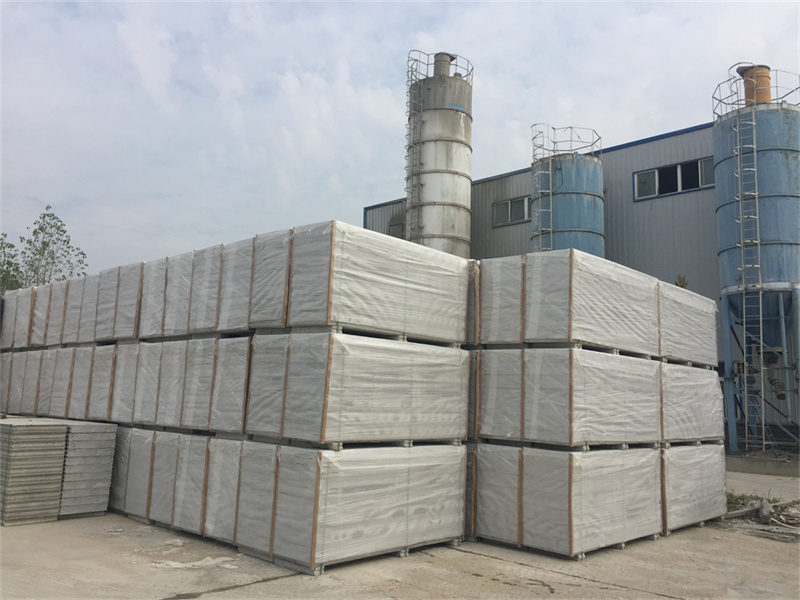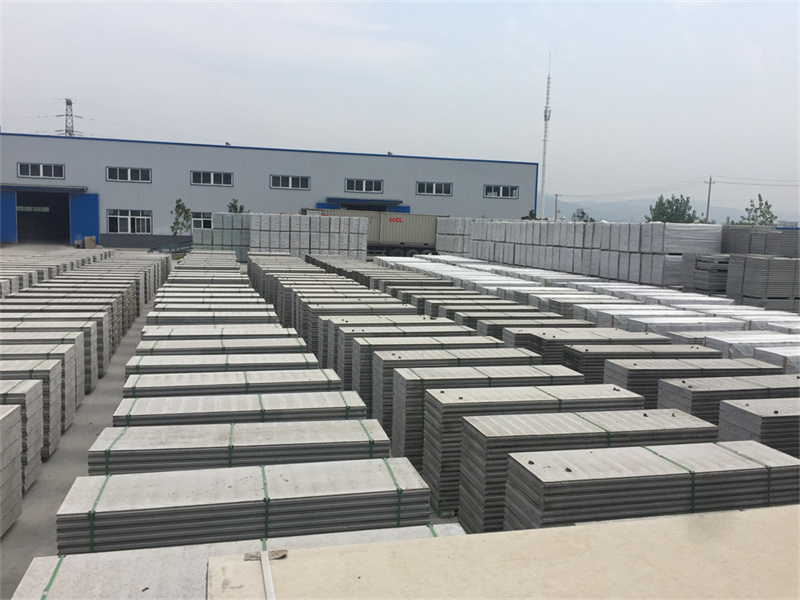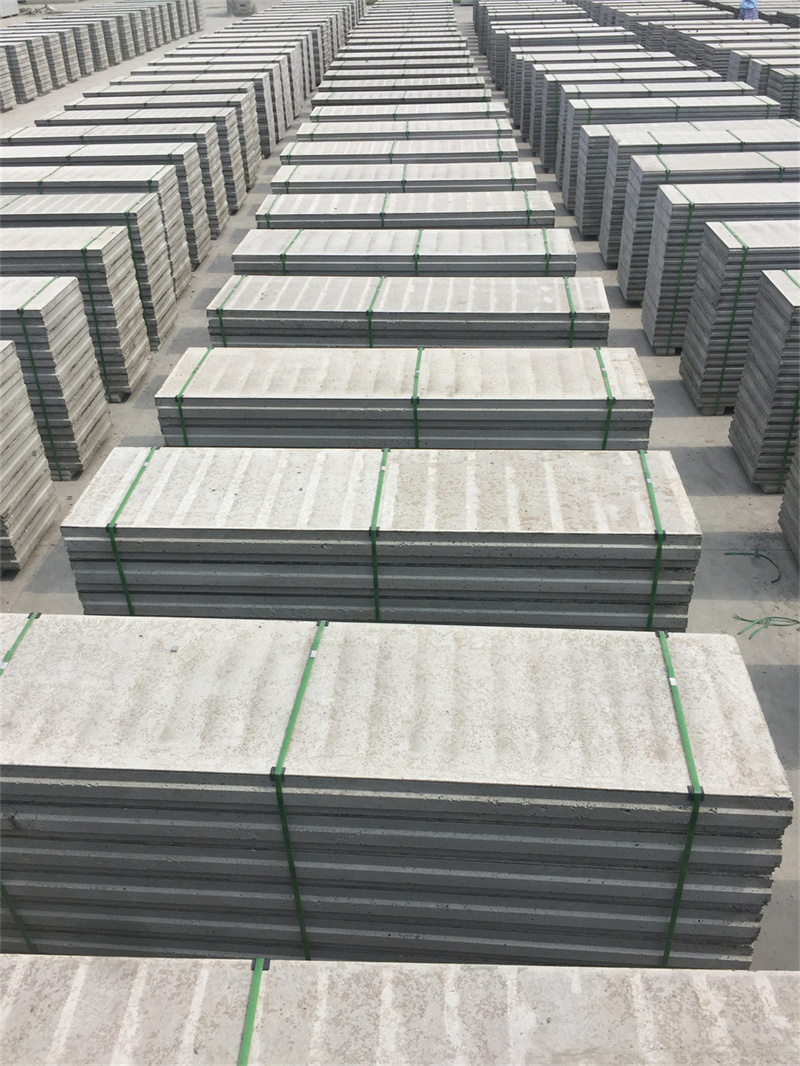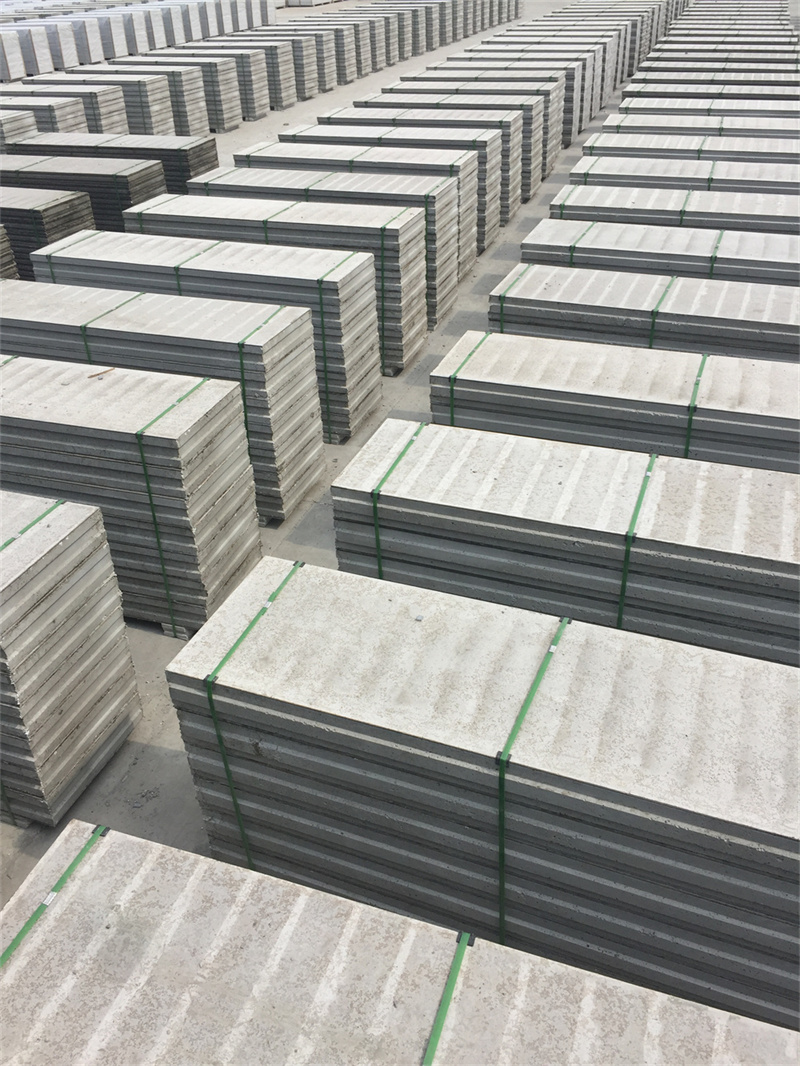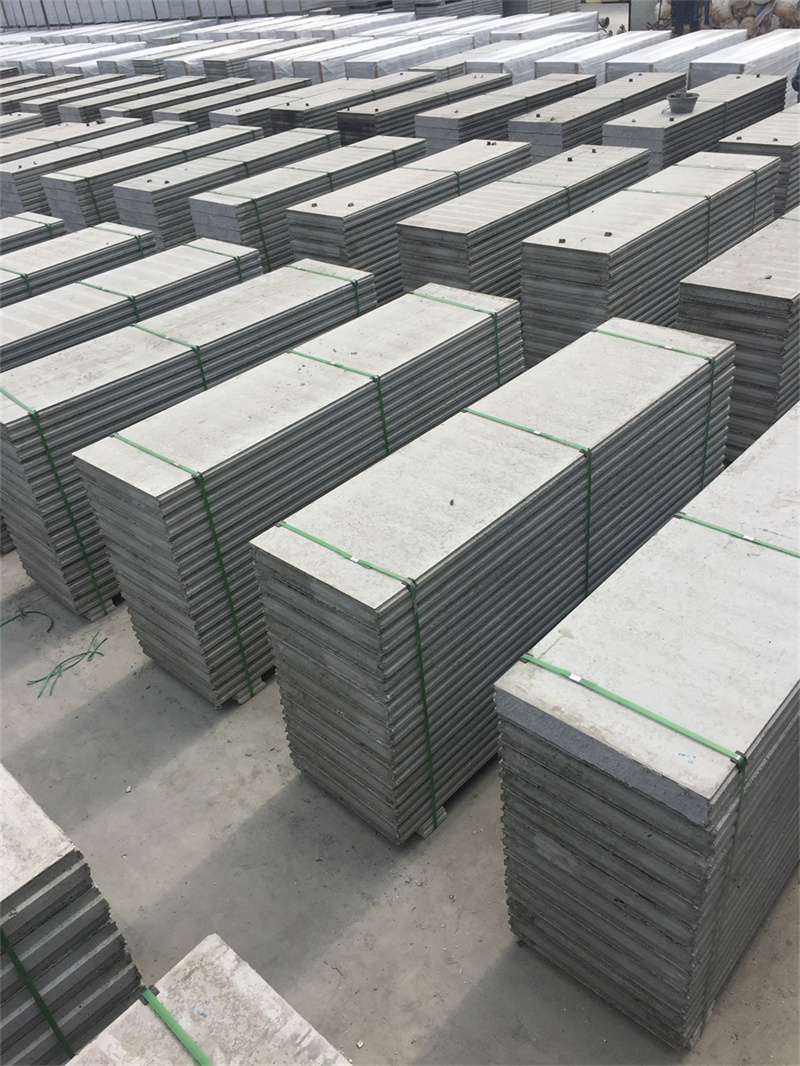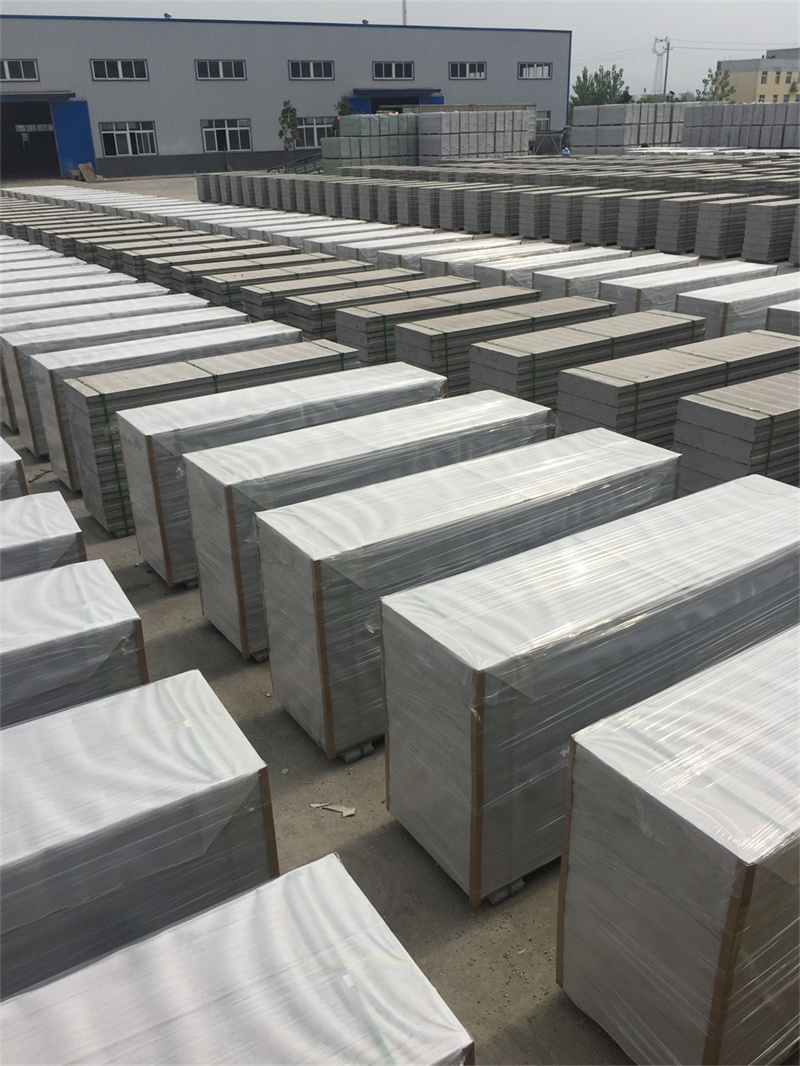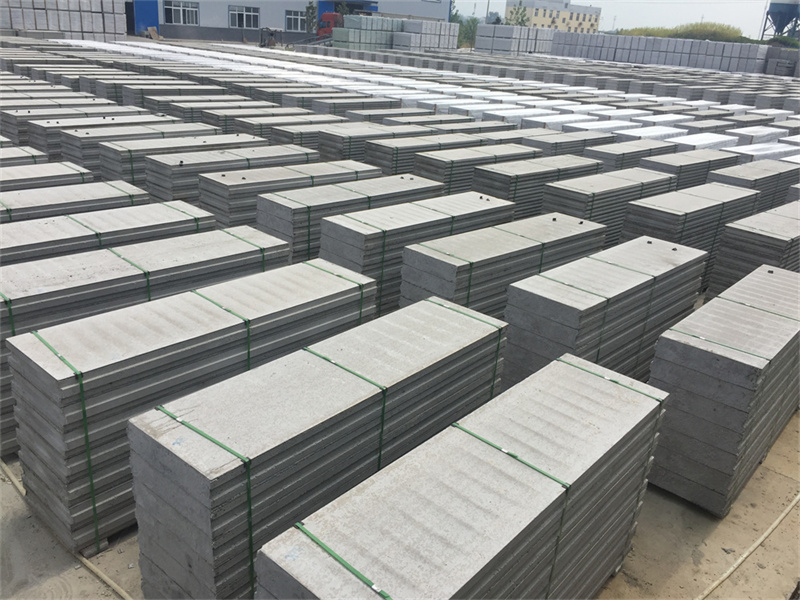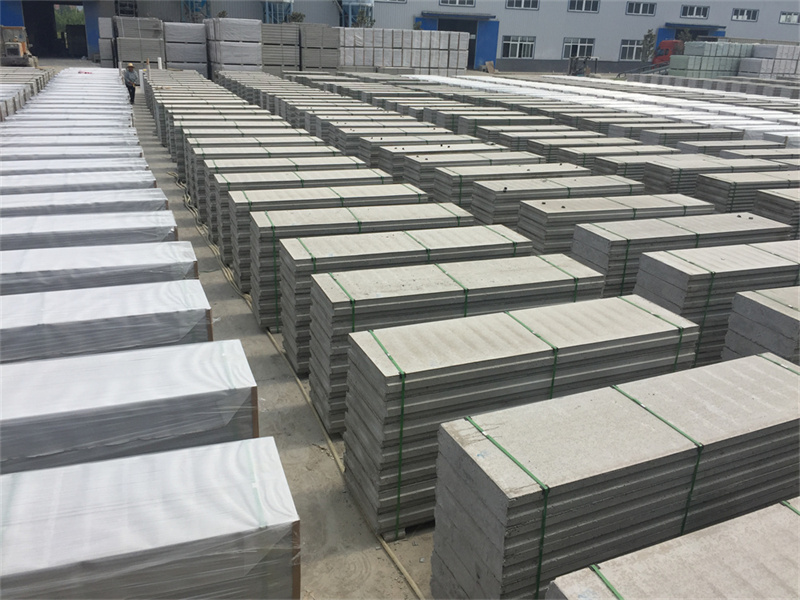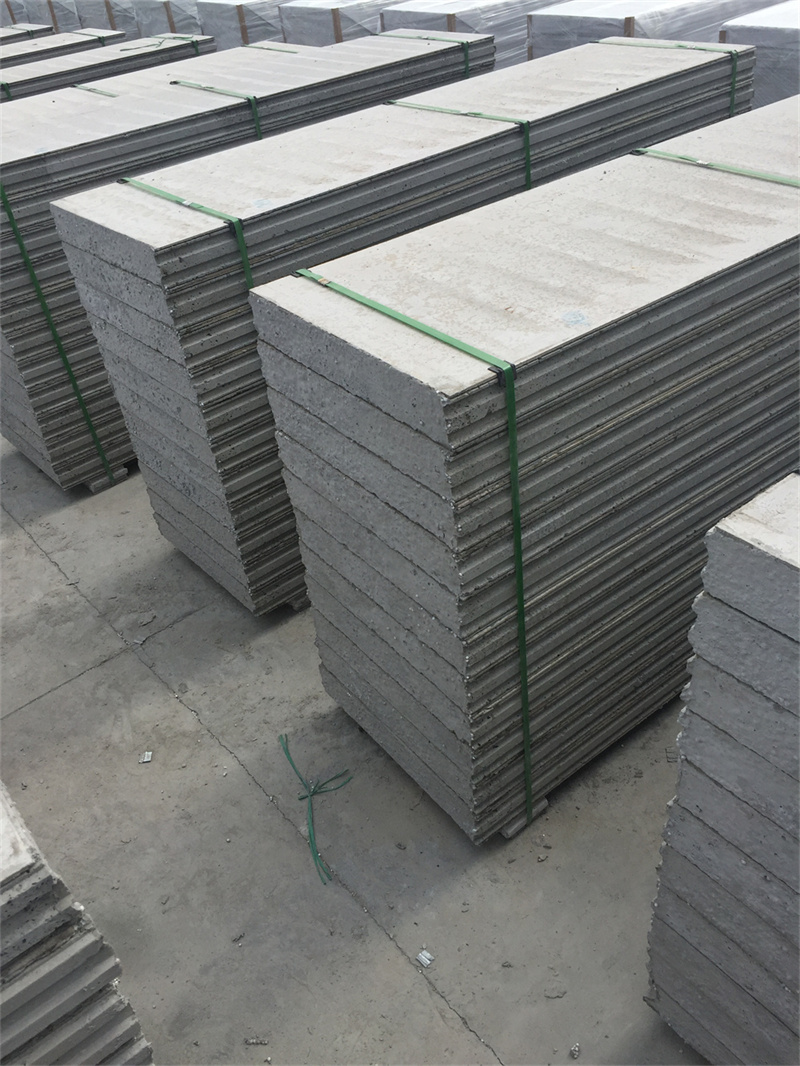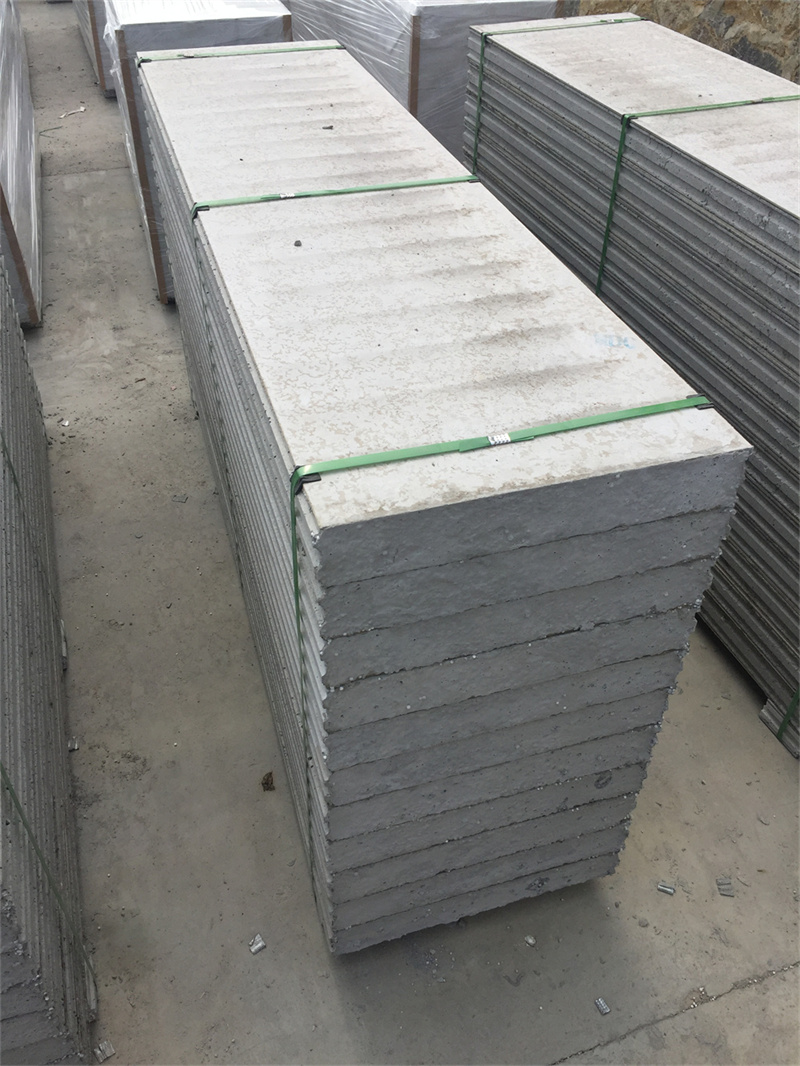
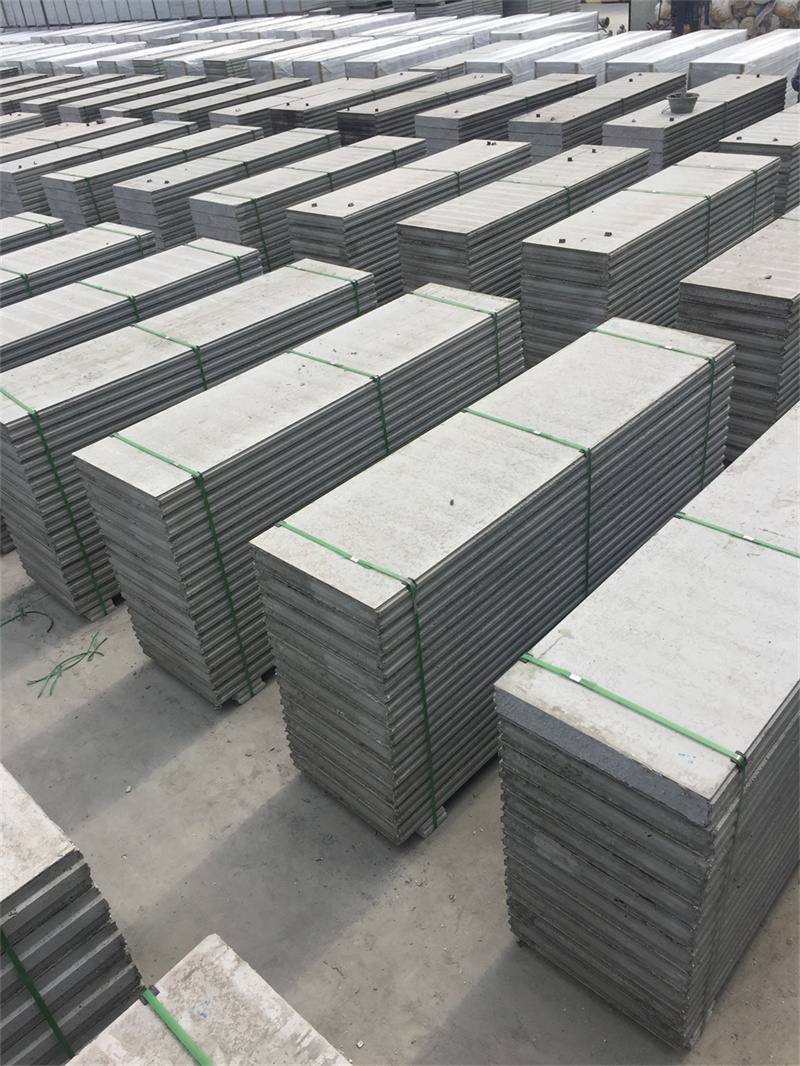
Restaurant kitchens are one of the most demanding commercial environments on the planet, with constant high temperatures, frequent water splashes, heavy grease buildup and non stop foot traffic from kitchen staff carrying hot pots and heavy supply crates. The EPS Cement Sandwich Panel has emerged as a game changing partition material for these high intensity spaces, solving many of the pain points that traditional wall materials cannot withstand. Unlike standard drywall that will quickly soak up grease, warp from steam and develop mold in the hot humid kitchen air, the non porous cement surface of the EPS Cement Sandwich Panel can be wiped down completely with heavy duty degreasers and high pressure cleaning tools every single day without sustaining any damage. The material also carries a full level A non combustible fire rating, which is a mandatory requirement for all commercial kitchen partitions that separate cooking zones, dry storage areas, cold walk in units and staff changing rooms. Many restaurant owners also find that the thin 75mm panel thickness lets them maximize every square meter of usable kitchen space, compared to 150mm thick traditional block walls that eat up valuable floor area needed for extra prep stations or storage shelves. Installation can also be completed in a single short shutdown window, so restaurant operators do not need to close their doors for a full week of messy masonry work that would cost thousands in lost food service revenue. Even near deep fryer stations or dish washing areas where temperatures and moisture levels spike daily, the EPS Cement Sandwich Panel will not crack, peel or degrade for well over a decade of continuous commercial kitchen operation.