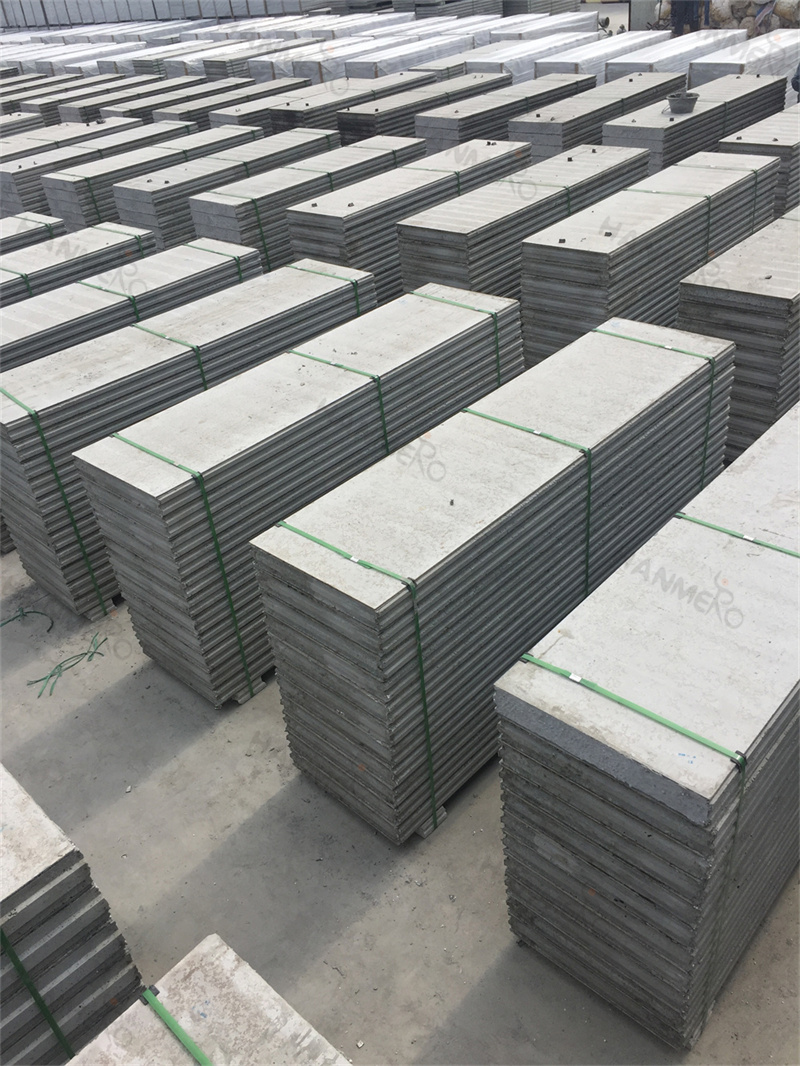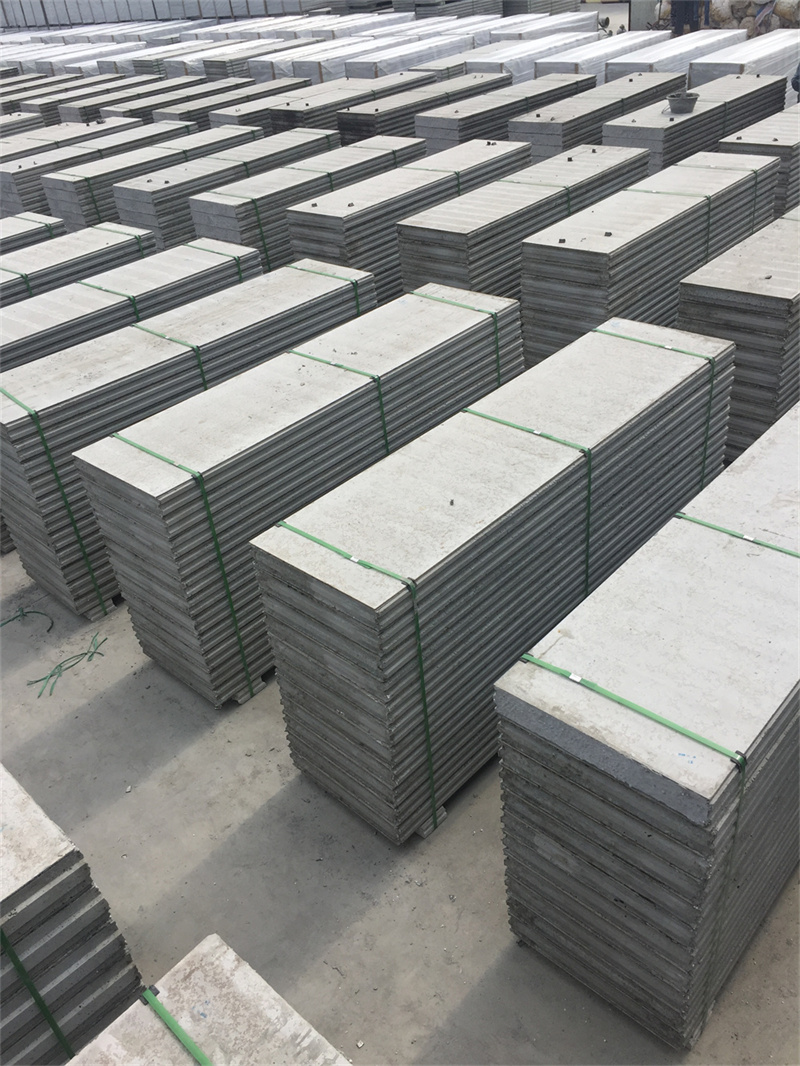
For centuries, red clay bricks and concrete blocks have been the standard materials for building walls. However, technological advancements have introduced modern alternatives that challenge traditional methods. Among them, the EPS cement sandwich panel has emerged as a formidable competitor. To help you make an informed decision for your next project, let us compare the EPS cement sandwich panel directly against traditional brick walls.
Installation Speed and Efficiency Traditional brick masonry is a slow, tedious process requiring individual brick laying, mortar mixing, and curing time. In contrast, an EPS cement sandwich panel is prefabricated in large sizes with a seamless interlocking system. Installing panels is up to five times faster than building a brick wall, dramatically shortening project timelines and reducing labor overhead.
Weight and Foundation Impact Traditional bricks are heavy, placing a massive dead load on building foundations and requiring thicker structural frames. An EPS cement sandwich panel is exceptionally lightweight, which reduces the overall structural load of the building. This weight reduction can lead to significant cost savings in structural steel and foundation engineering.
Thermal and Acoustic Performance Traditional brick walls often require extra insulation layers to meet modern energy efficiency codes. Meanwhile, the built-in EPS core of an EPS cement sandwich panel provides superior thermal insulation out of the box, slashing heating and cooling expenses. Additionally, its sandwich structure absorbs sound waves much more effectively than standard single-layer brick walls.
Space Utilization and Thickness To achieve decent load-bearing and insulation standards, brick walls are often thick, which reduces usable indoor floor space. An EPS cement sandwich panel is thinner while offering superior performance parameters. This space-saving advantage increases the net usable indoor area of apartments, offices, and commercial spaces.
Environmental Impact Clay brick production often consumes fertile topsoil and emits heavy carbon pollution during kiln firing. Conversely, the production of an EPS cement sandwich panel is eco-friendly, utilizes recycled industrial waste, and produces zero harmful emissions, making it the definitive choice for green building certification.
Conclusion While traditional bricks have a long history, the EPS cement sandwich panel outperforms them across almost every modern metric—including speed, weight, insulation, space-saving, and sustainability.