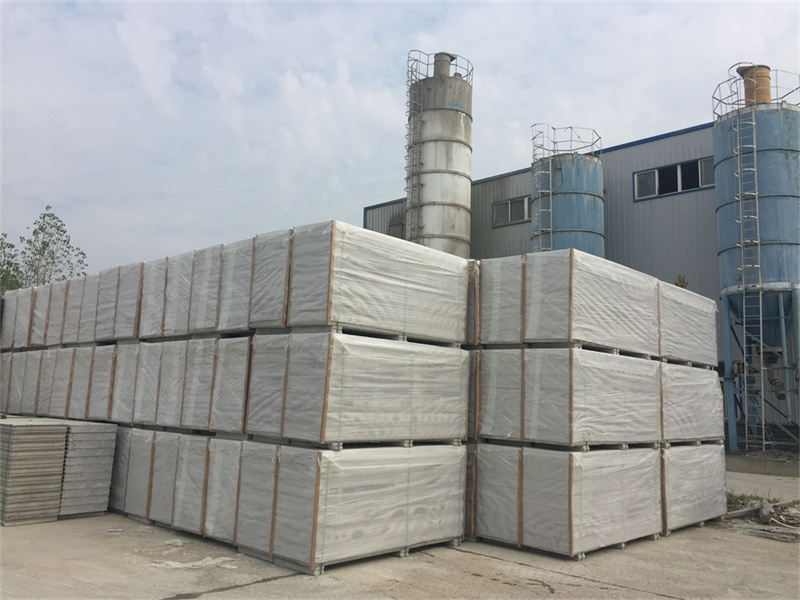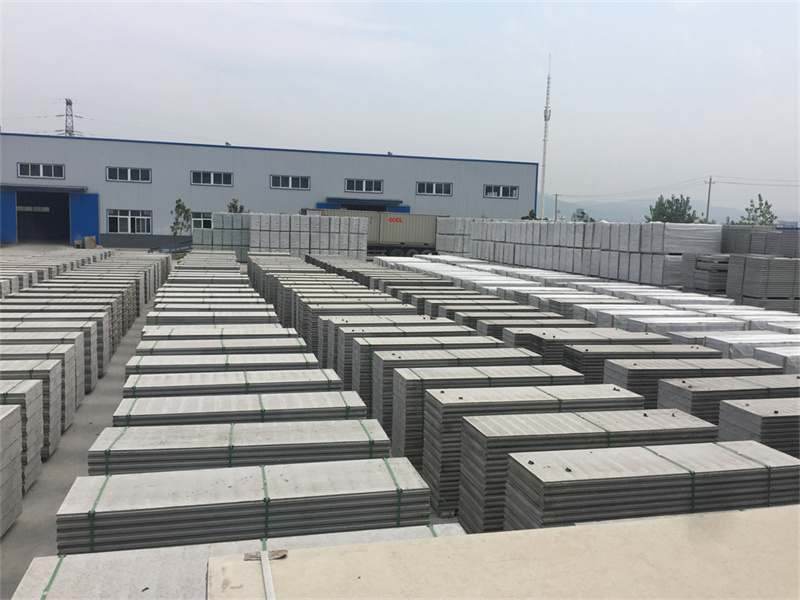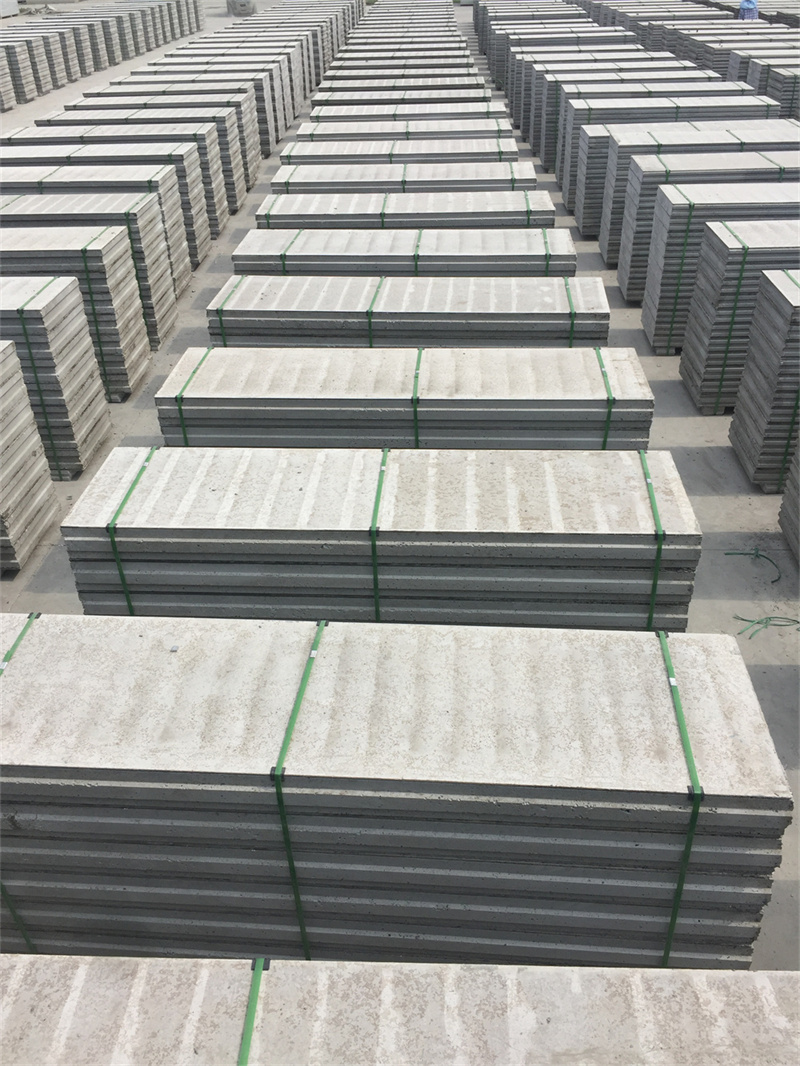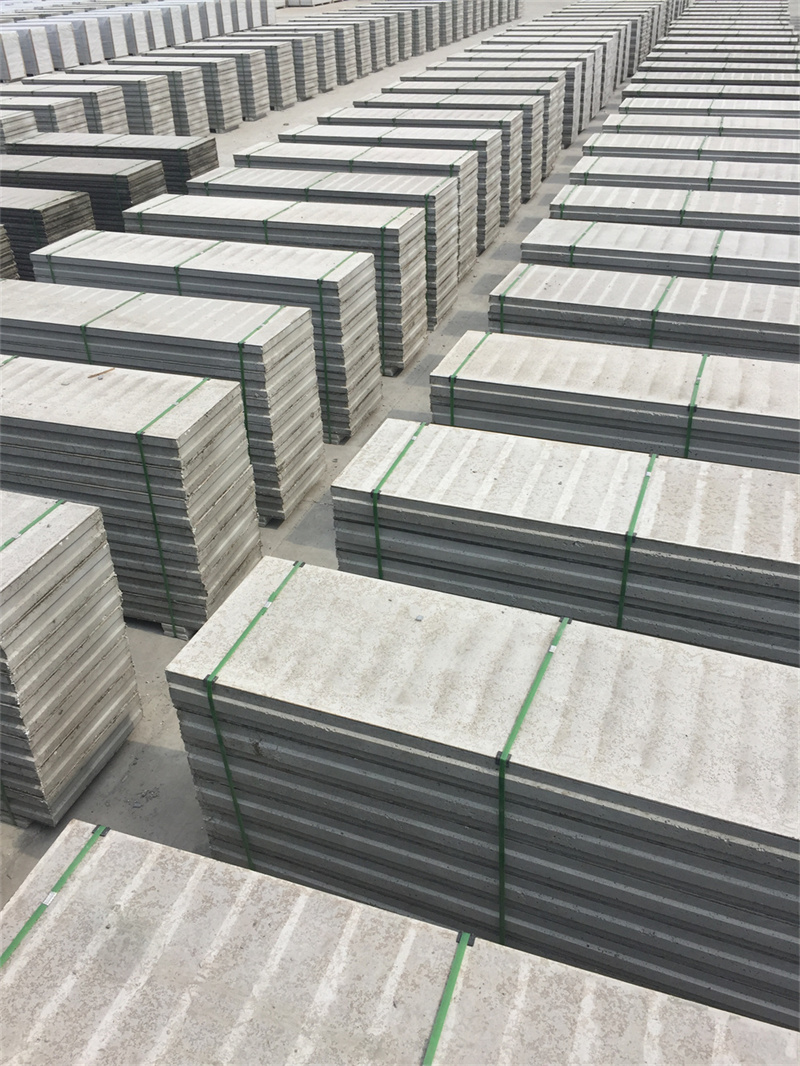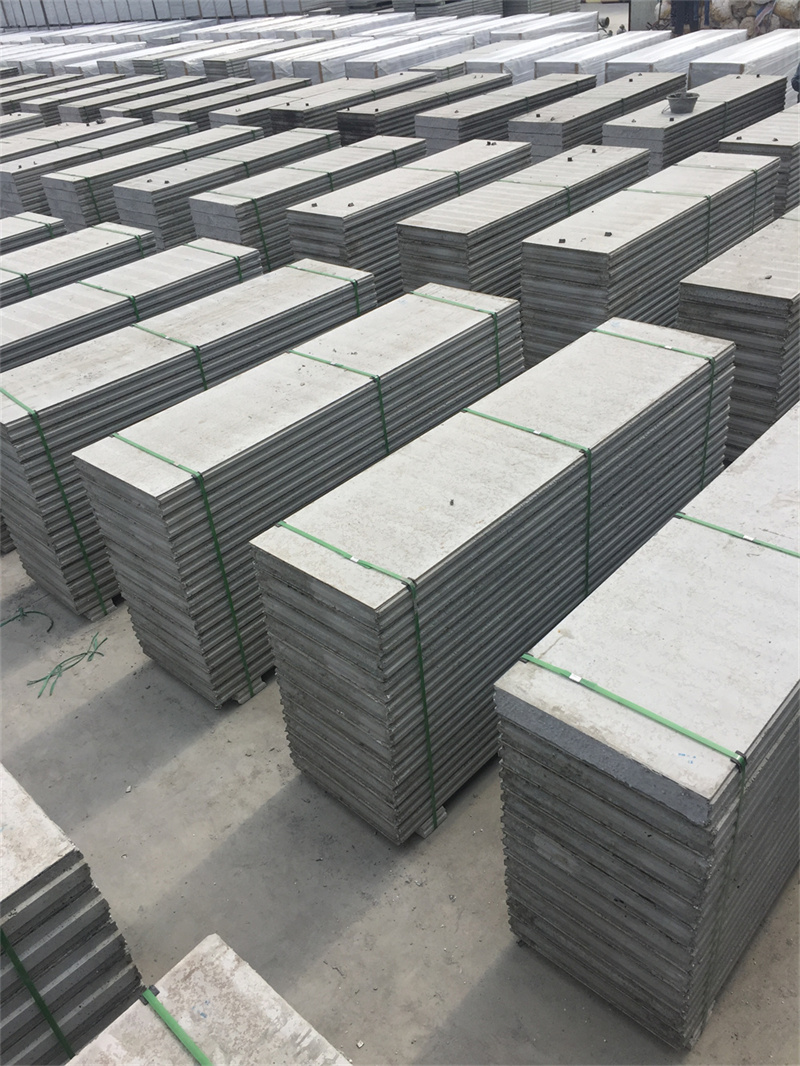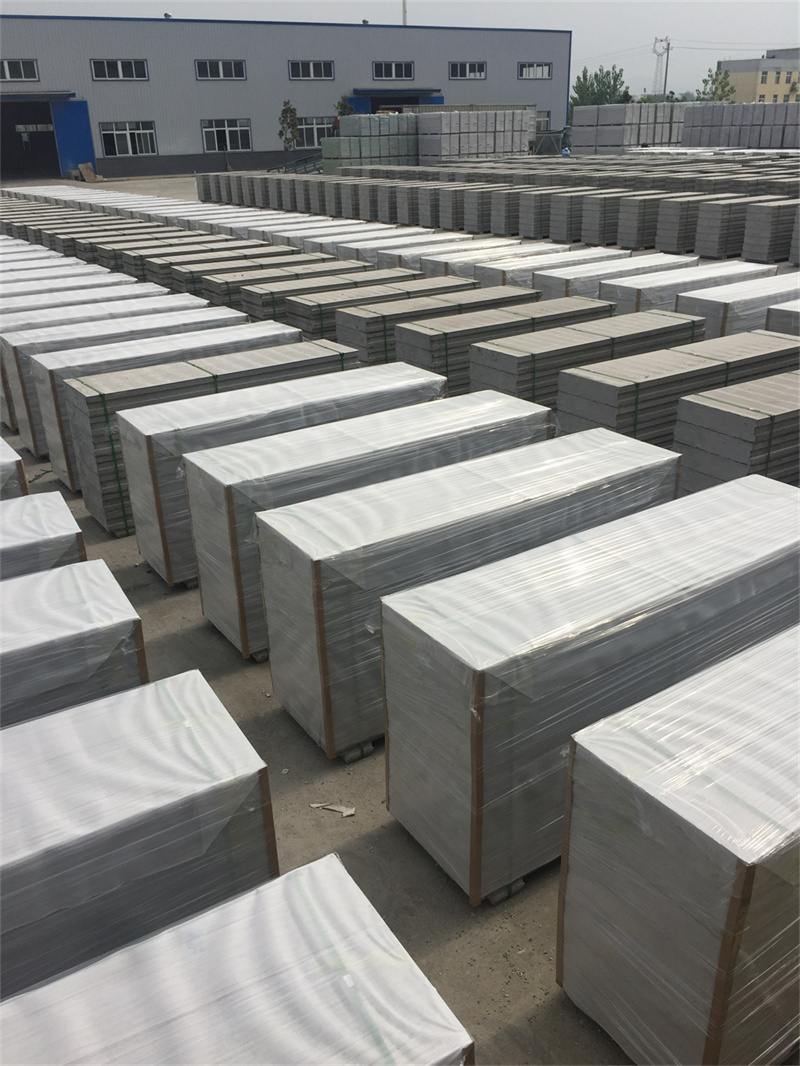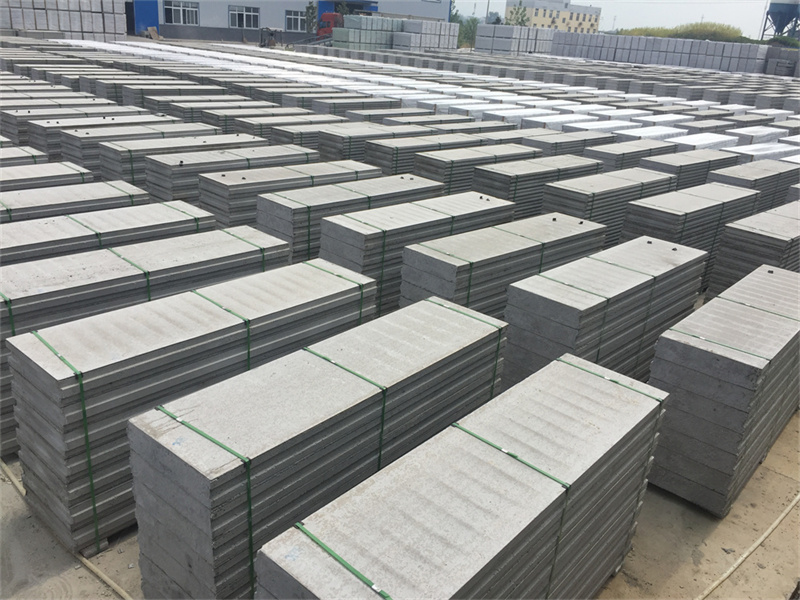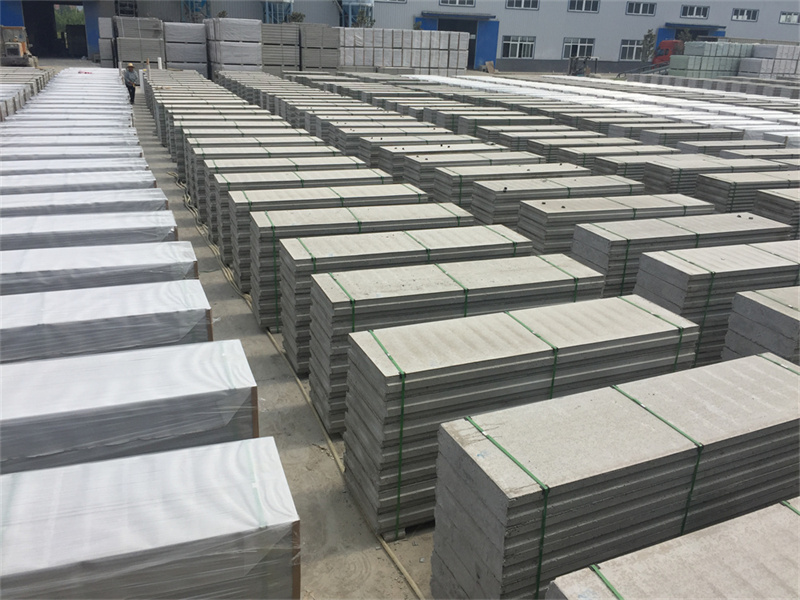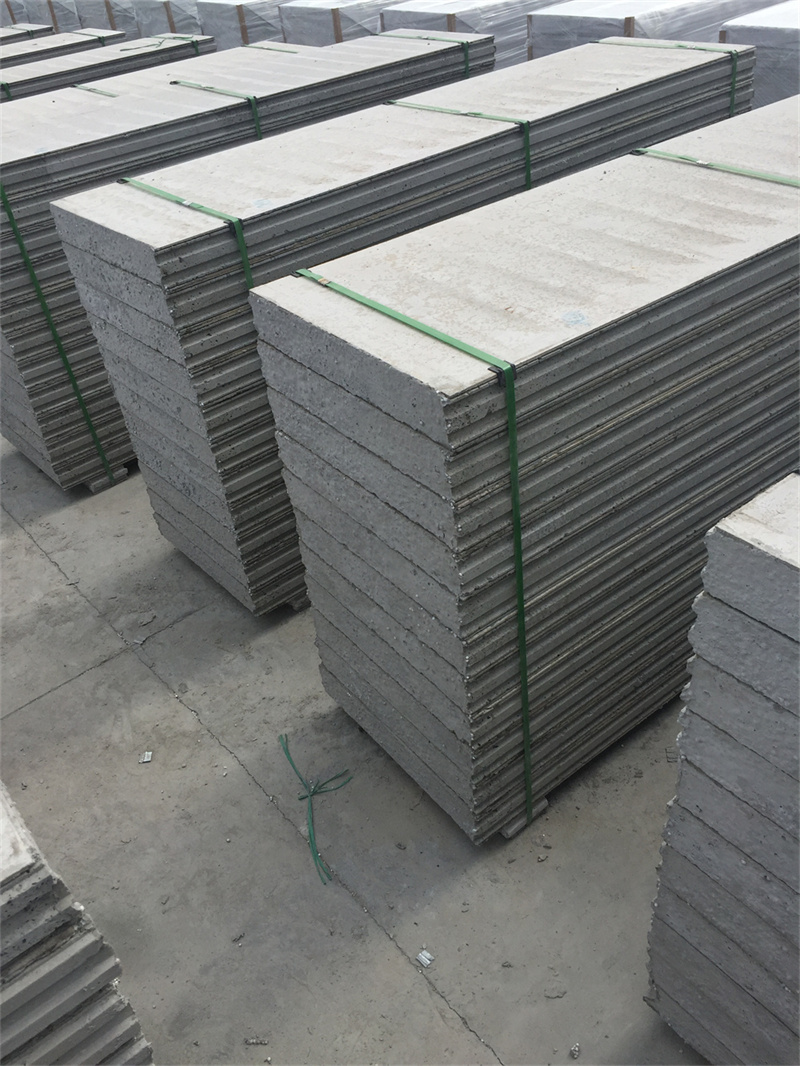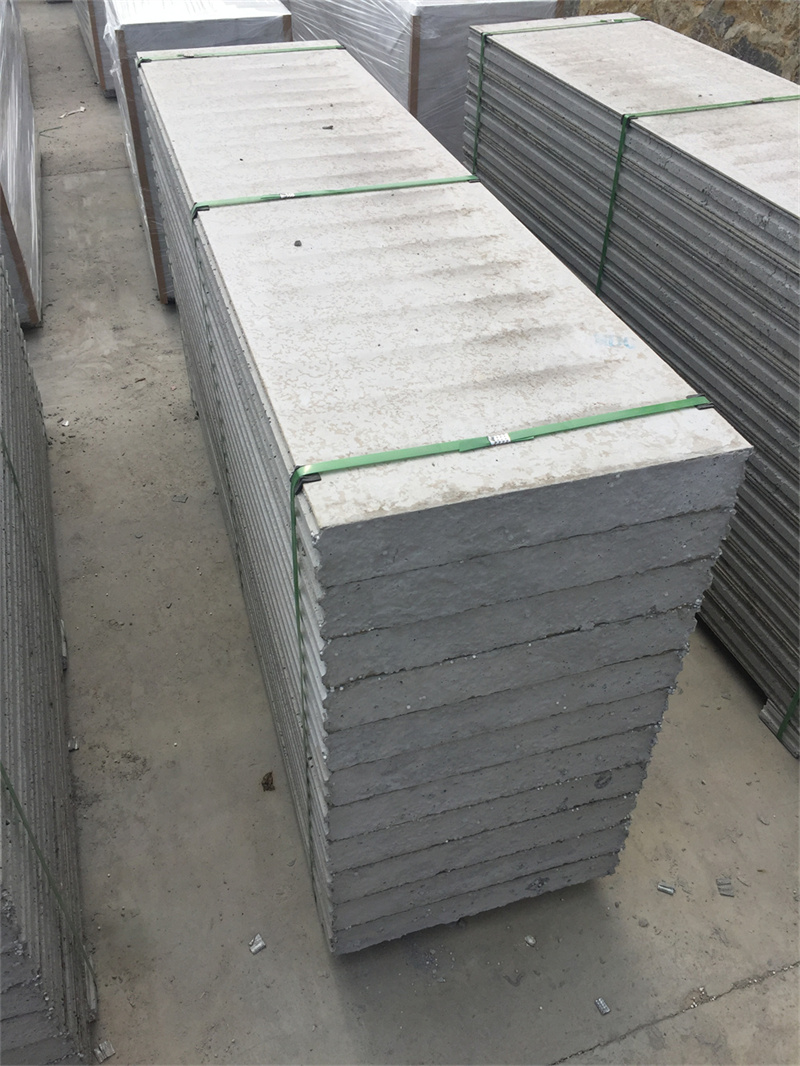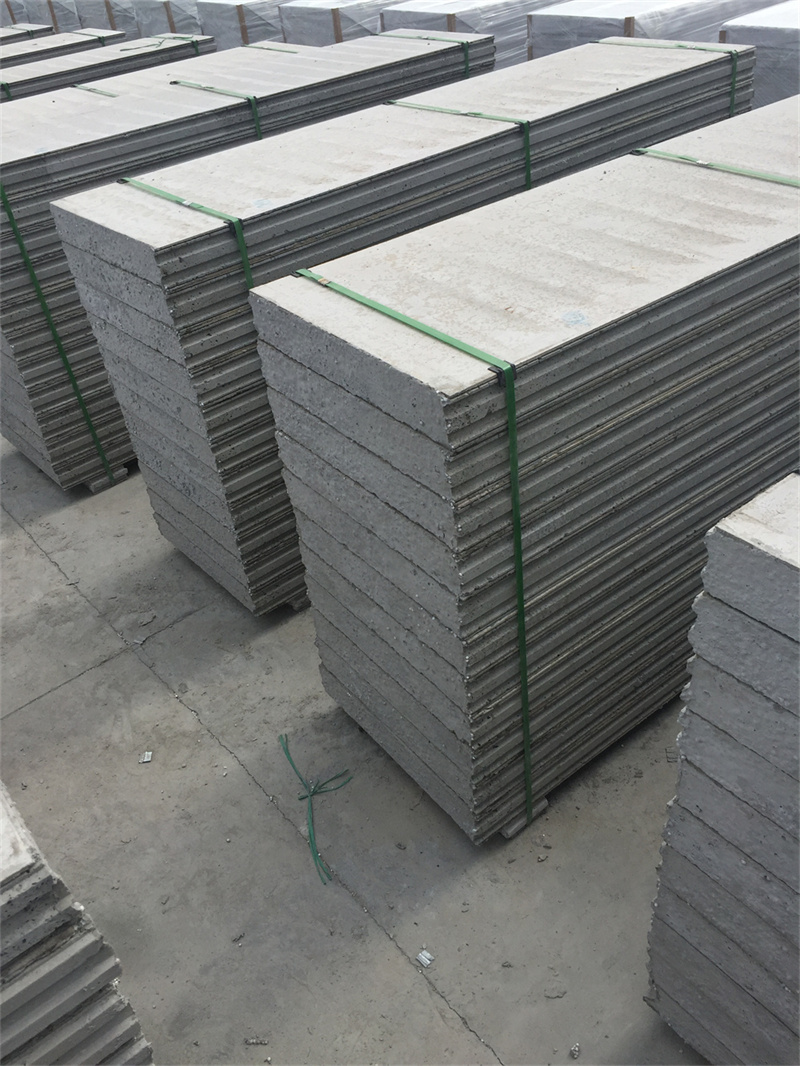
When you are planning a factory renovation, one of the most important decisions you will make is picking the correct thickness of EPS Cement Sandwich Panel for each different area of your facility. The right thickness will give you the perfect balance of insulation performance, strength, sound proofing and cost efficiency, while the wrong choice can leave you with a wall that does not meet your operational needs. The first thing you need to consider is what the main function of the wall will be. For external exterior walls of your factory, you will usually want to choose a thicker EPS Cement Sandwich Panel, in the 100mm to 150mm range. These thicker panels have a larger EPS foam core that provides much better thermal insulation, which is critical for keeping your entire factory space at a stable temperature, reducing your heating and cooling costs, and protecting your production equipment and materials from extreme outdoor weather. If your factory is located in an area with very hot summers or very cold winters, investing in a thicker exterior panel will pay for itself very quickly through lower utility bills. For internal partition walls that separate different production zones inside your factory, you can usually choose a slightly thinner panel, in the 75mm to 100mm range. These panels still provide more than enough structural strength, excellent sound insulation to block machinery noise between zones, and enough impact resistance to hold up against daily forklift traffic and industrial use. Thinner internal panels also take up less total space, which means you get more usable floor area inside your factory instead of wasting valuable square footage on thick, bulky traditional walls. If you are building special purpose zones, like a dedicated sound-proof testing room, a temperature-controlled cold storage area, or a high-security server room, you can go with an even thicker EPS Cement Sandwich Panel, up to 180mm, to get maximum insulation and sound blocking performance. It is also important to consider the local building code requirements in your area, as many regions have minimum thickness rules for fire safety and energy efficiency in industrial buildings. You should also think about what you will be hanging on the walls later. Even the thinner versions of the EPS Cement Sandwich Panel have strong cement facings that provide excellent screw holding capacity, so you can easily mount heavy equipment, industrial shelves, control panels and even large machinery brackets directly to the wall surface without needing extra reinforcement. By matching the exact panel thickness to the specific function of each wall in your renovated factory, you will create a space that is perfectly optimized for your operations, without wasting money on unnecessary extra material.