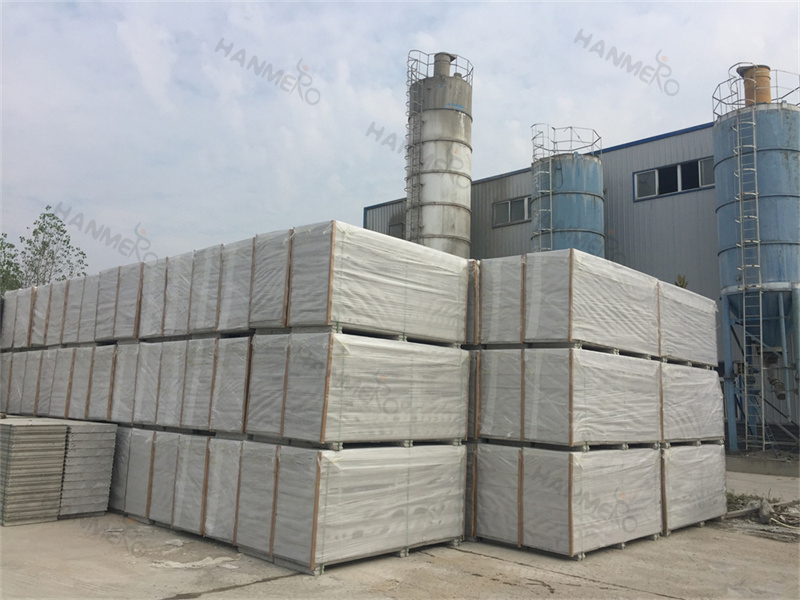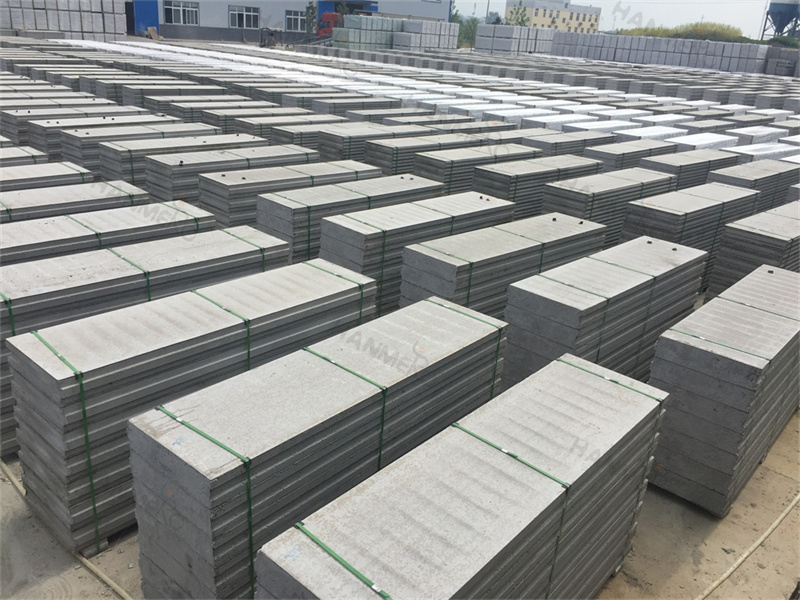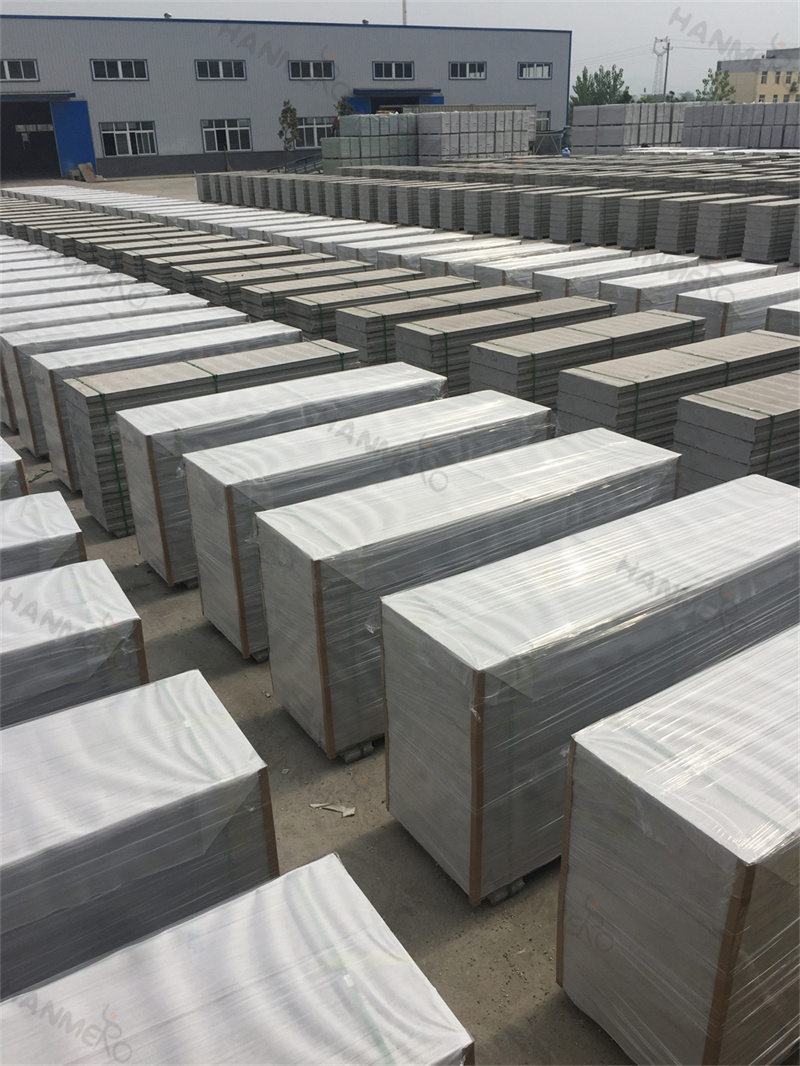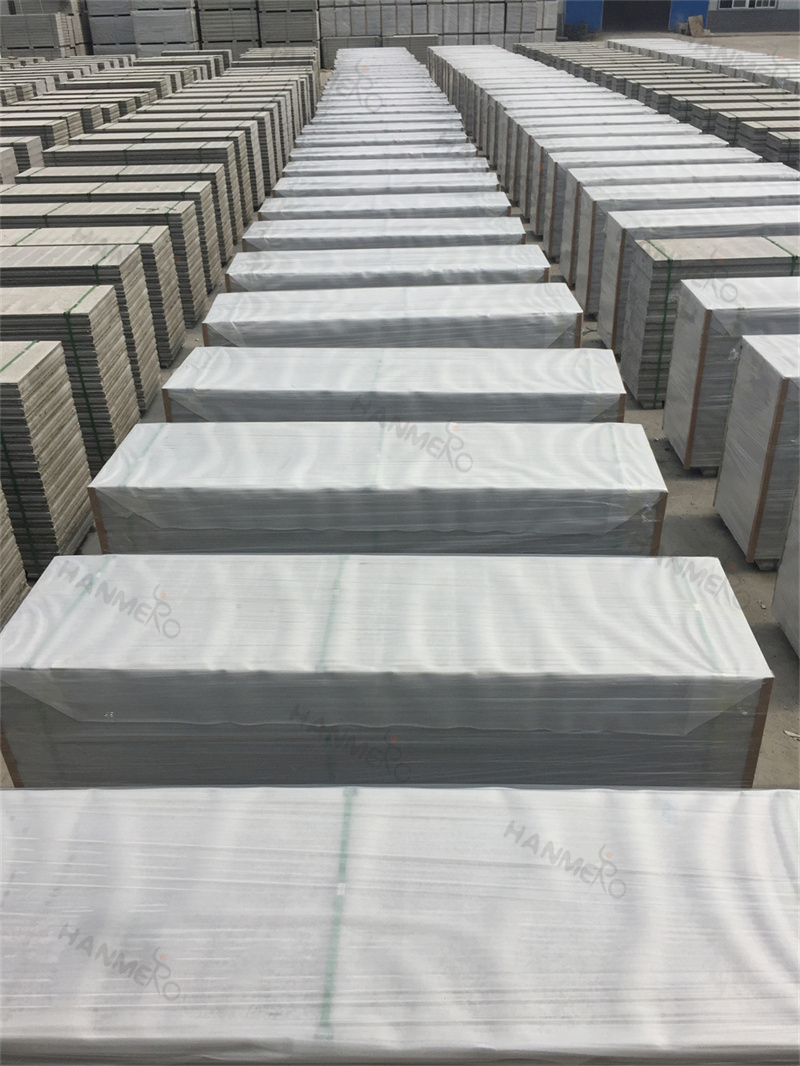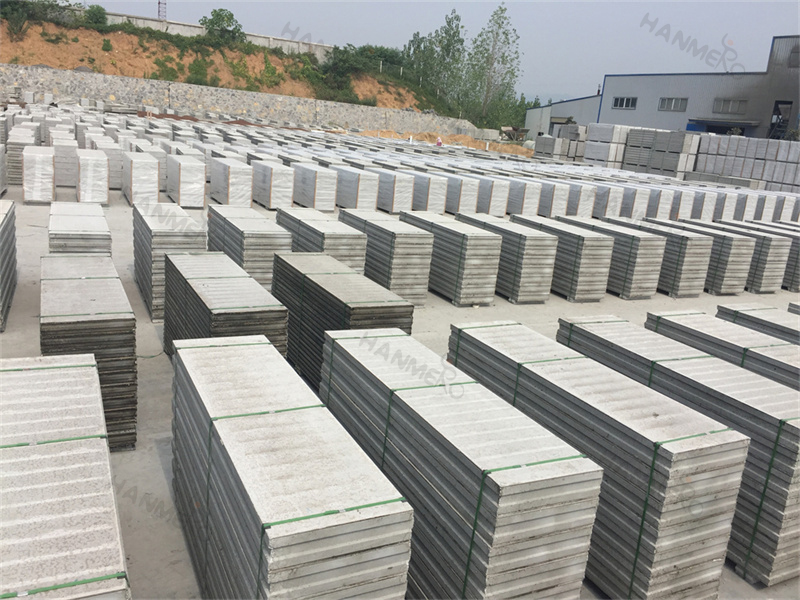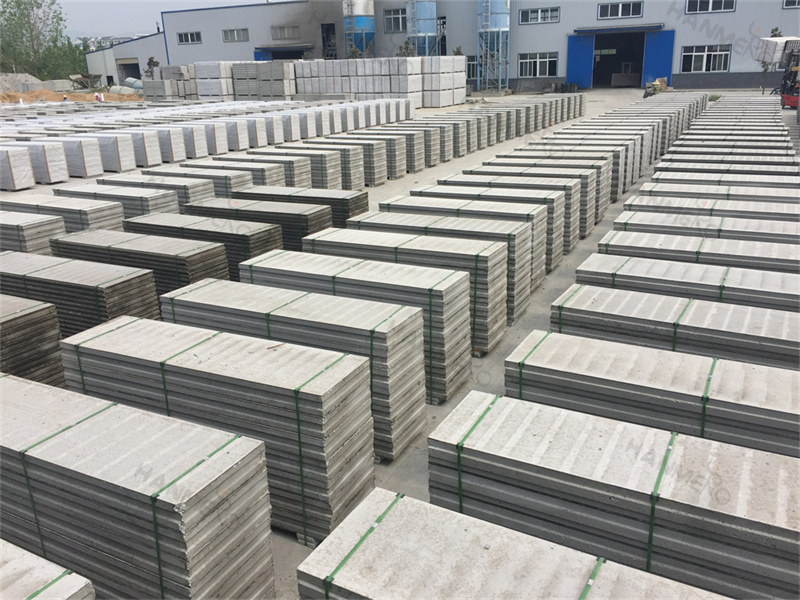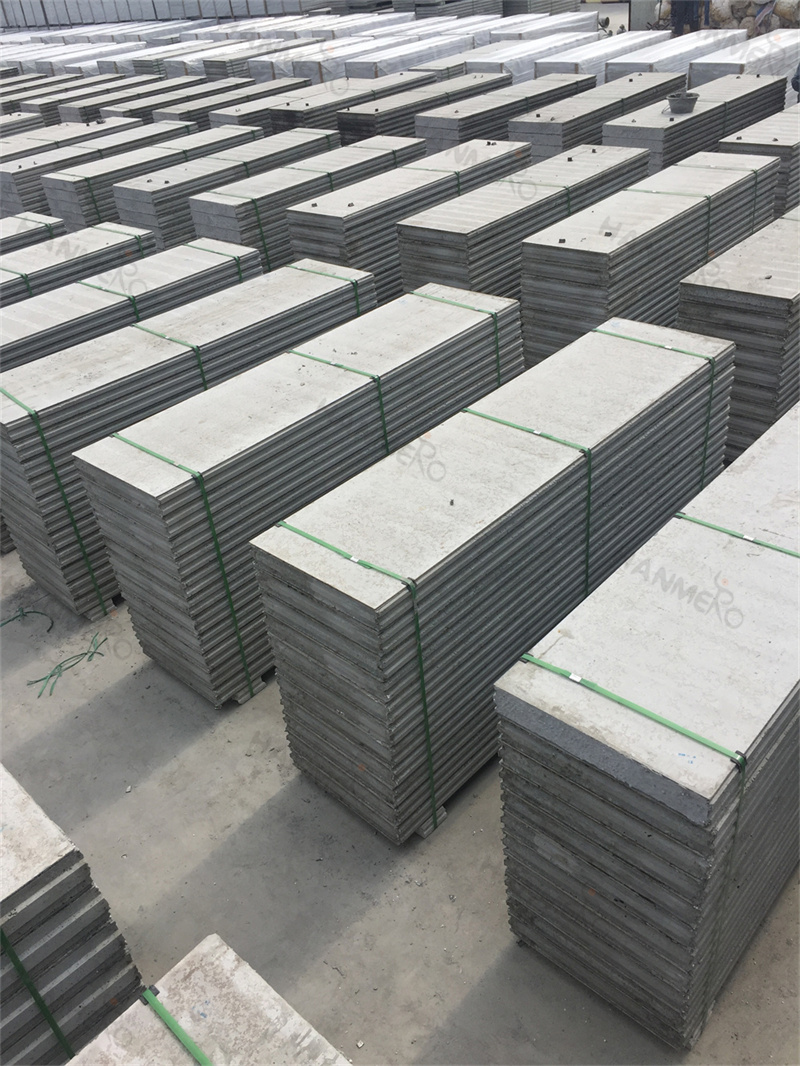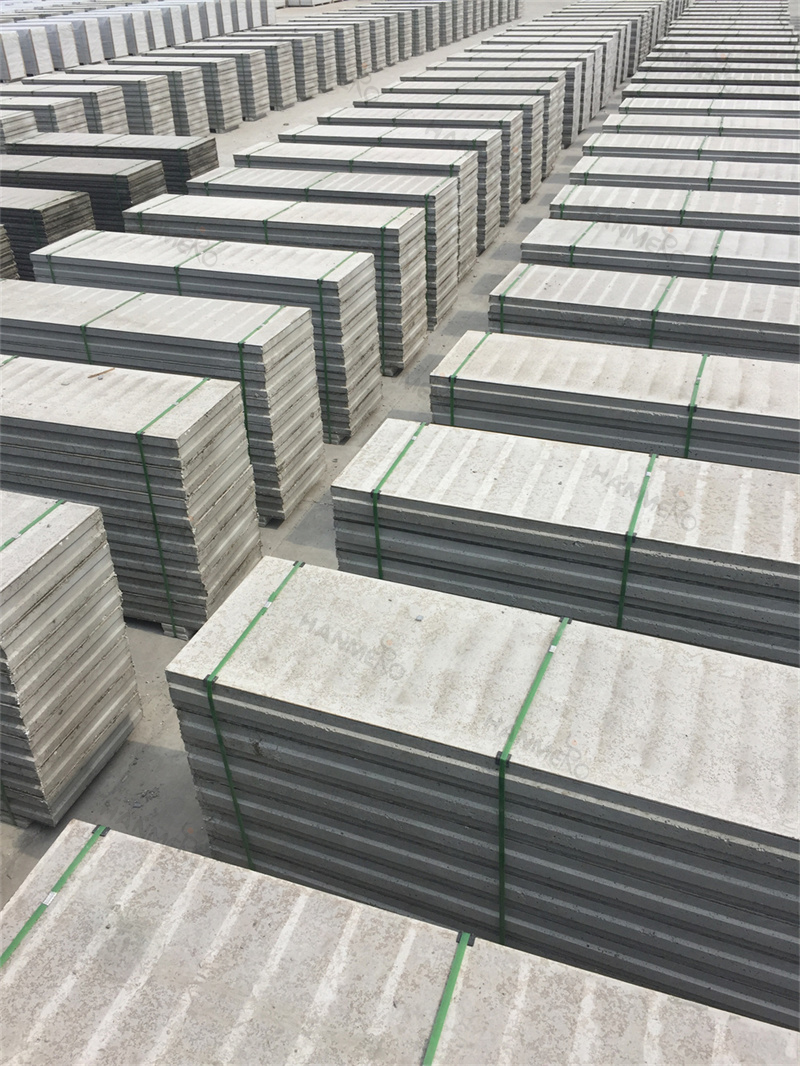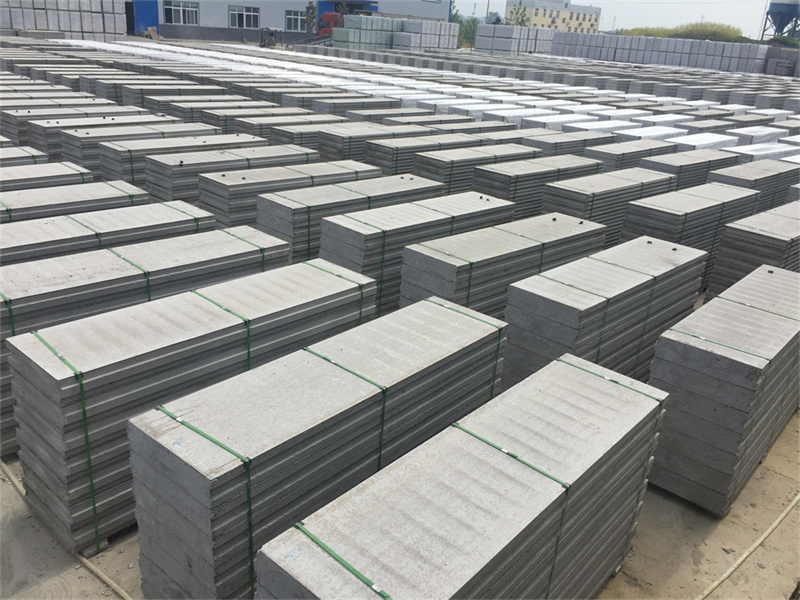
EPS Cement Sandwich Panel Manufacturer

EPS Cement Sandwich Panel Manufacturer

How EPS Cement Sandwich Panel Revolutionizes Prefabricated House Building

Prefabricated housing has transformed from a niche market into a mainstream housing solution worldwide. The success of prefab construction relies heavily on the quality and adaptability of the panels used. Today, the EPS cement sandwich panel is driving this revolution, offering unprecedented modular flexibility and structural integrity for prefabricated buildings.

The Rise of Prefabricated Construction Prefabrication minimizes on-site construction errors, reduces waste, and accelerates project delivery. However, early prefab materials often struggled with durability and insulation issues. The introduction of the EPS cement sandwich panel solved these challenges completely, providing a robust, weather-resistant, and energy-efficient building block designed specifically for modern modular and prefab housing systems.

Seamless Integration with Steel and Concrete Structures Prefabricated homes usually rely on light steel framing or concrete columns. The EPS cement sandwich panel integrates seamlessly with these structural skeletons. Because the panels can be easily cut, drilled, and channeled, electrical conduits and plumbing pipes can be pre-installed or embedded smoothly, speeding up the entire MEP (mechanical, electrical, and plumbing) workflow.

Enhancing Durability in Prefab Homes A common concern with prefabricated houses is their longevity compared to brick-and-mortar homes. An EPS cement sandwich panel dispels this worry. The outer cement boards protect the interior from harsh weather, storms, and UV radiation, ensuring that the prefab home remains sturdy, secure, and visually appealing for decades with minimal upkeep required.

Cost Efficiency for Mass Housing Projects For developers undertaking mass housing or affordable housing projects, budget control is critical. Using an EPS cement sandwich panel cuts transportation costs due to its lightweight volume and minimizes heavy machinery rentals on site. The fast turnaround time means homeowners can move in sooner and developers can realize their return on investment much faster.

Conclusion The synergy between modular architecture and the EPS cement sandwich panel is undeniable. As prefab housing continues to grow in popularity, this innovative panel will remain the preferred material for creating safe, fast, and sustainable modular homes.
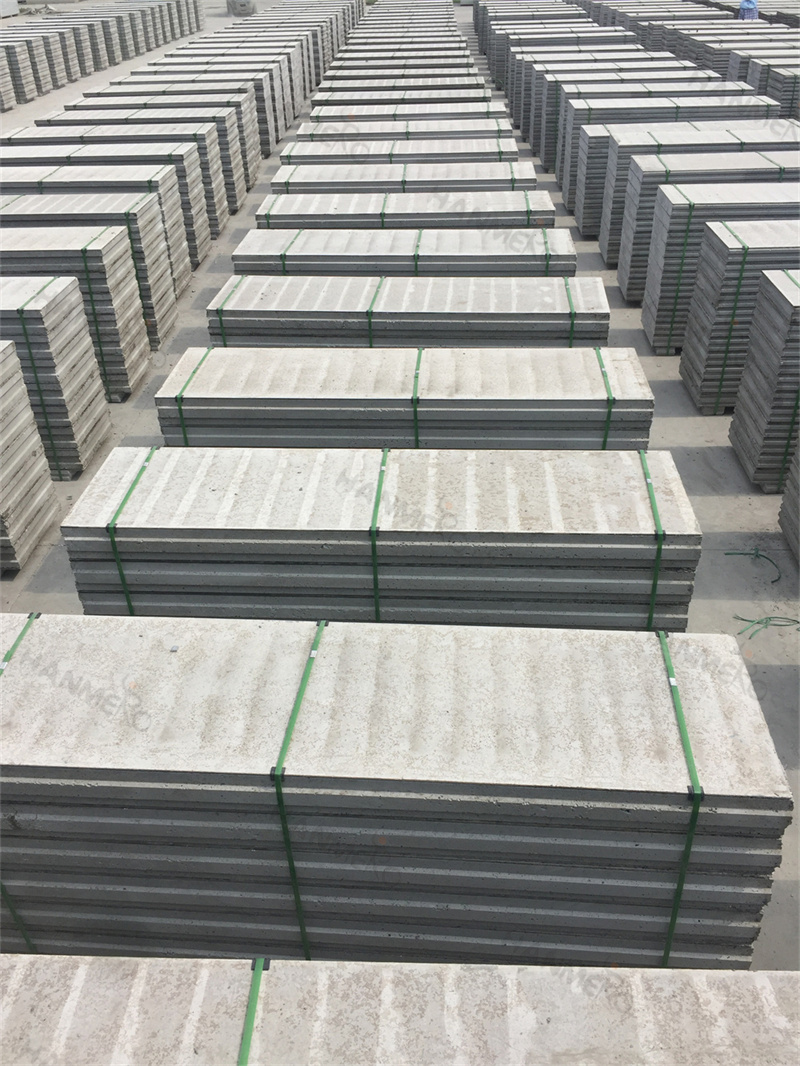
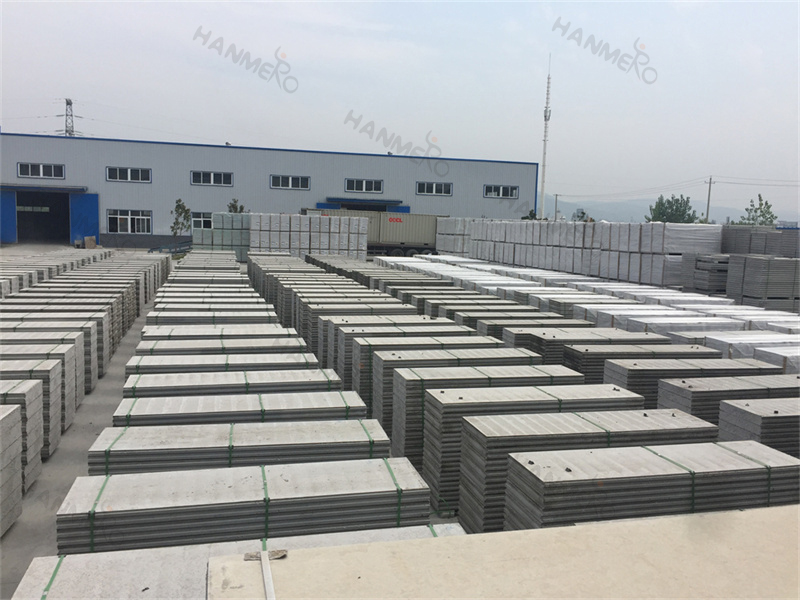
What Is an EPS Cement Sandwich Panel And Why Is It Gaining Popularity

In the fast-evolving world of modern architecture and construction, finding materials that balance speed, cost, and durability is crucial. One material that has taken the industry by storm is the EPS cement sandwich panel. Whether you are a seasoned contractor, an architect, or a homeowner looking to build, understanding this innovative material can change the way you approach construction. In this article, we will explore what an EPS cement sandwich panel is and why it is rapidly becoming the go-to choice worldwide.

What Is an EPS Cement Sandwich Panel? An EPS cement sandwich panel is a lightweight, composite wall building material. It consists of two outer face boards and a lightweight core interior. The face boards are typically made of fiber cement boards or calcium silicate boards, while the core is filled with expanded polystyrene (EPS) foam, cement, sand, and fly ash. This unique sandwich structure combines the strength of cement with the insulation and lightweight properties of EPS foam, resulting in a high-performance panel ready for walls, floors, and roofs.

Key Structural Advantages The design of the EPS cement sandwich panel provides several structural benefits. First, its lightweight nature significantly reduces the dead load on building foundations, saving structural steel and concrete costs. Second, despite being lightweight, it boasts high compressive and impact strength. Third, it features a tongue-and-groove system that allows for fast interlocking installation, making construction up to three to five times faster than traditional brick masonry.

Thermal and Acoustic Insulation Energy efficiency is a top priority in modern construction. The EPS core inside the EPS cement sandwich panel offers exceptional thermal insulation, keeping interiors cool in summer and warm in winter, which drastically reduces HVAC energy consumption. Additionally, the dense cement facings provide excellent soundproofing qualities, ensuring a quiet and peaceful indoor environment even in bustling urban areas.

Fire Resistance and Durability Safety is non-negotiable in building design. The non-combustible cement boards on both sides of the EPS cement sandwich panel give it superior fire-resistant ratings. It can withstand high temperatures for hours without releasing toxic gases. Furthermore, the panels are moisture-proof, waterproof, anti-aging, and resistant to pests like termites, guaranteeing a long service life with minimal maintenance.

Conclusion The EPS cement sandwich panel represents a massive leap forward in construction technology. By offering a combination of speed, cost-effectiveness, thermal efficiency, and safety, it addresses the major pain points of traditional building methods. As the demand for green and sustainable buildings grows, adopting the EPS cement sandwich panel is a smart step toward the future of construction.

Top 5 Benefits of Using EPS Cement Sandwich Panel in Modern Construction

The construction industry is continuously searching for innovative materials that offer better performance, lower costs, and faster installation times. Among the myriad of options available today, the EPS cement sandwich panel stands out as a game-changer. Architects, builders, and developers worldwide are transitioning to this advanced composite material. In this article, we will examine the top five benefits of utilizing an EPS cement sandwich panel in modern building projects.

1. Exceptional Lightweight and High Strength One of the most remarkable features of an EPS cement sandwich panel is its lightweight nature, which is a fraction of traditional concrete blocks. Despite being lightweight, it features a high load-bearing capacity and impact resistance. This reduces the structural load on building foundations, allowing for more flexible architectural designs and savings on structural reinforcement.

2. Rapid Installation and Labor Savings Time is money in construction. Traditional bricklaying is labor-intensive and slow. In contrast, the EPS cement sandwich panel utilizes a tongue-and-groove joint system that allows workers to install panels quickly. A small crew can complete a large area of walls in a single day, boosting construction efficiency by up to 300% and significantly reducing labor costs.

3. Superior Thermal and Sound Insulation Energy conservation is critical for modern green buildings. The expanded polystyrene (EPS) core inside the EPS cement sandwich panel provides outstanding thermal insulation, minimizing heat transfer. This keeps indoor temperatures stable and lowers cooling and heating bills. Furthermore, the solid cement facings offer brilliant acoustic insulation, creating quiet and comfortable living or working spaces.

4. Fire Resistance and Waterproofing Safety and durability are paramount. The outer layers of the EPS cement sandwich panel are made of fireproof silicate or fiber cement boards that do not burn or emit toxic fumes during a fire. Additionally, the panels are completely waterproof and moisture-resistant, preventing mold growth, dampness, and structural degradation over decades of use.

5. Eco-Friendly and Sustainable Sustainability is no longer optional. The EPS cement sandwich panel is manufactured without harmful asbestos or radioactive substances. It uses recycled industrial waste like fly ash for its core, and because it generates almost zero construction waste on-site, it is an environmentally responsible choice for future generations.

Conclusion Incorporating an EPS cement sandwich panel into your construction projects brings unmatched efficiency, structural safety, and long-term economic rewards. It is truly a cornerstone of modern, sustainable architecture.

Maximizing Structural Durability With EPS Cement Sandwich Panel Installations

Durability is the ultimate test of any building material. Structures must withstand environmental stressors mechanical impacts and the passage of time without compromising safety or aesthetics. The EPS cement sandwich panel provides exceptional structural durability making it a smart long-term investment for property owners.

The combination of high-strength cement face boards and a rigid core creates a composite structure with high impact resistance and load-bearing capacity. It can withstand accidental impacts, seismic activity, and wind loads much better than conventional brittle partitions. The cementitious layers protect the inner core from physical damage UV degradation and pests, ensuring that the panel maintains its integrity over decades of use.

Maintenance requirements are exceptionally low over the lifespan of the building. The smooth, stable surfaces do not easily crack or flake, reducing the frequency and cost of repainting and repairs. By selecting a high-quality EPS cement sandwich panel for walls and partitions, developers ensure that their buildings remain resilient, safe, and visually appealing for generations, cementing its status as a cornerstone of future construction technology.

Waterproof And Moisture Resistant Benefits Of EPS Cement Sandwich Panel

Moisture management is crucial for the structural integrity and longevity of any building. Water infiltration can lead to mold growth structural degradation and costly repairs. The EPS cement sandwich panel is engineered with superior moisture resistance ensuring long-term durability even in humid or wet environments.

The outer calcium silicate face boards of the panel possess low water absorption rates and do not warp or degrade when exposed to humidity. This makes the material ideal for application in moisture-prone areas such as bathrooms kitchens basements and exterior walls exposed to heavy rainfall. Unlike wood-based panels or certain types of drywall that swell and rot when damp this cement-based composite maintains its structural stability.

Furthermore the seamless interlocking installation minimizes potential entry points for water leakage. Mold and mildew require moisture and organic matter to thrive; because the panel components are inorganic and moisture-resistant they create an inhospitable environment for mold growth contributing to a healthier indoor air quality for occupants. Builders and homeowners can rely on this product to provide dependable protection against weather elements year after year.

Comparing Traditional Brick Walls With EPS Cement Sandwich Panel Solutions

Choosing the right wall material is one of the most critical decisions in architectural planning. While traditional red bricks and concrete blocks have dominated the construction market for centuries they face stiff competition from advanced alternatives like the EPS cement sandwich panel. A direct comparison reveals why modern builders are making the switch.

Traditional brick walls are heavy require extensive wet trades take a long time to construct and demand thick layers of plaster for leveling. They also offer relatively poor thermal and acoustic insulation unless supplemented with extra materials. On the other hand the EPS cement sandwich panel is lightweight dry-installed and offers built-in thermal and acoustic insulation out of the box.

Labor requirements also favor the sandwich panel. Masonry work requires skilled bricklayers and intensive manual labor whereas sandwich panels can be installed with basic training due to their modular interlocking design. Space efficiency is another key advantage; because sandwich panels are thinner than traditional brick-and-mortar walls they provide more usable indoor floor space within the same building footprint. Ultimately the modern panel outperforms traditional bricks across almost every metric of efficiency performance and economy.

Eco Friendly Advantages Of Choosing EPS Cement Sandwich Panel For Your Next Build

Environmental sustainability has transitioned from a niche preference to a fundamental requirement in modern construction. Architects and builders are actively seeking green building materials that minimize ecological footprints conserve natural resources and promote recycling. The EPS cement sandwich panel stands out as a highly eco-friendly option that aligns with sustainable building certifications like LEED.

Traditional clay brick production often involves topsoil depletion and massive energy consumption in kilns which releases significant carbon dioxide emissions. In contrast the manufacturing process of the EPS cement sandwich panel is far more resource-efficient. It utilizes industrial byproducts and recyclable materials while producing minimal construction waste on site. Because the panels are precision-manufactured to exact dimensions there is very little cut-off waste compared to traditional masonry cutting.

Additionally the exceptional thermal insulation properties of the panels contribute to lower energy consumption throughout the entire operational lifecycle of the building. Reduced energy demand means fewer greenhouse gas emissions from power plants. By choosing this advanced building material developers demonstrate a strong commitment to environmental stewardship while delivering high-performance sustainable structures that meet the demands of eco-conscious consumers.

Speed Up Your Construction Projects With EPS Cement Sandwich Panel

Time is money in the construction industry. Delays in project completion can lead to severe financial penalties missed market opportunities and inflated labor costs. Adopting innovative materials like the EPS cement sandwich panel is one of the most effective strategies to accelerate project timelines and ensure on-time delivery.

The efficiency of this product stems from its prefabricated dry-wall installation system. Unlike traditional bricklaying which requires mixing mortar laying individual bricks and waiting for them to cure the sandwich panels arrive ready for rapid assembly. The panels feature a tongue-and-groove edge design that allows them to be seamlessly interlocked and secured with specialized adhesive mortar.

A small installation crew can cover a massive wall area in a single day vastly outperforming traditional masonry teams. Furthermore because the panels feature smooth surfaces they require minimal plastering or surface preparation before painting or tiling. Electrical conduits and plumbing pipes can be easily integrated into pre-designed channels within the panels further streamlining the workflow. By cutting construction time down significantly developers can optimize resource allocation and move on to subsequent phases of their projects much faster.

Understanding The Acoustic Performance Of EPS Cement Sandwich Panel

Noise pollution is a major drawback of urban living and modern office environments. Unwanted sound transmission through walls can severely impact productivity concentration and quality of life. The EPS cement sandwich panel is specifically designed to address acoustic comfort offering exceptional sound insulation properties that create quiet peaceful indoor spaces.

The multi-layer structure of the panel plays a pivotal role in acoustic dampening. Sound waves traveling through the air hit the dense outer cement face board and lose a portion of their energy. The remaining sound waves then encounter the porous expanded polystyrene core which further absorbs and disperses acoustic vibrations. This barrier effect significantly reduces airborne noise transmission between rooms and from the exterior environment.

Whether used as an interior partition wall between apartments in a multi-family residential building or as an exterior wall facing a busy street the EPS cement sandwich panel provides superior soundproofing performance. Acoustic ratings often meet or exceed standard building code requirements for privacy and noise control. Building occupants can enjoy enhanced acoustic comfort without the need for expensive secondary soundproofing treatments or specialized acoustic panels.

The Ultimate Guide To Lightweight Design Using EPS Cement Sandwich Panel

Weight is a critical factor in structural engineering. Heavy building materials require substantial foundational support and heavy machinery for handling and placement. The EPS cement sandwich panel offers a brilliant solution by delivering high structural strength while maintaining an remarkably low weight profile.

The secret lies in the inner core of expanded polystyrene which consists mostly of trapped air enclosed in cellular structures. This cellular matrix provides volume and rigidity without adding significant mass. When combined with cement face boards the resulting panel is lightweight yet incredibly robust. A standard panel weighs only a fraction of a traditional brick wall of equivalent size.

This lightweight nature revolutionizes logistics and on-site handling. Transportation costs are reduced because more square footage of panels can be loaded onto a single truck compared to heavy concrete blocks. On the construction site workers can maneuver and install the panels with minimal mechanical assistance reducing the reliance on large cranes and heavy equipment. Furthermore the reduced load on the building skeleton allows structural engineers to design more slender foundations and optimize steel reinforcement leading to substantial overall cost savings.