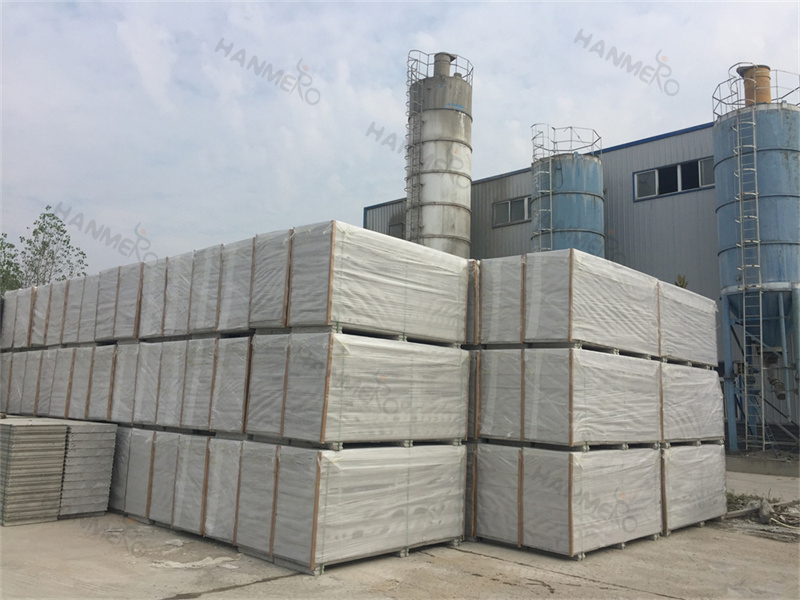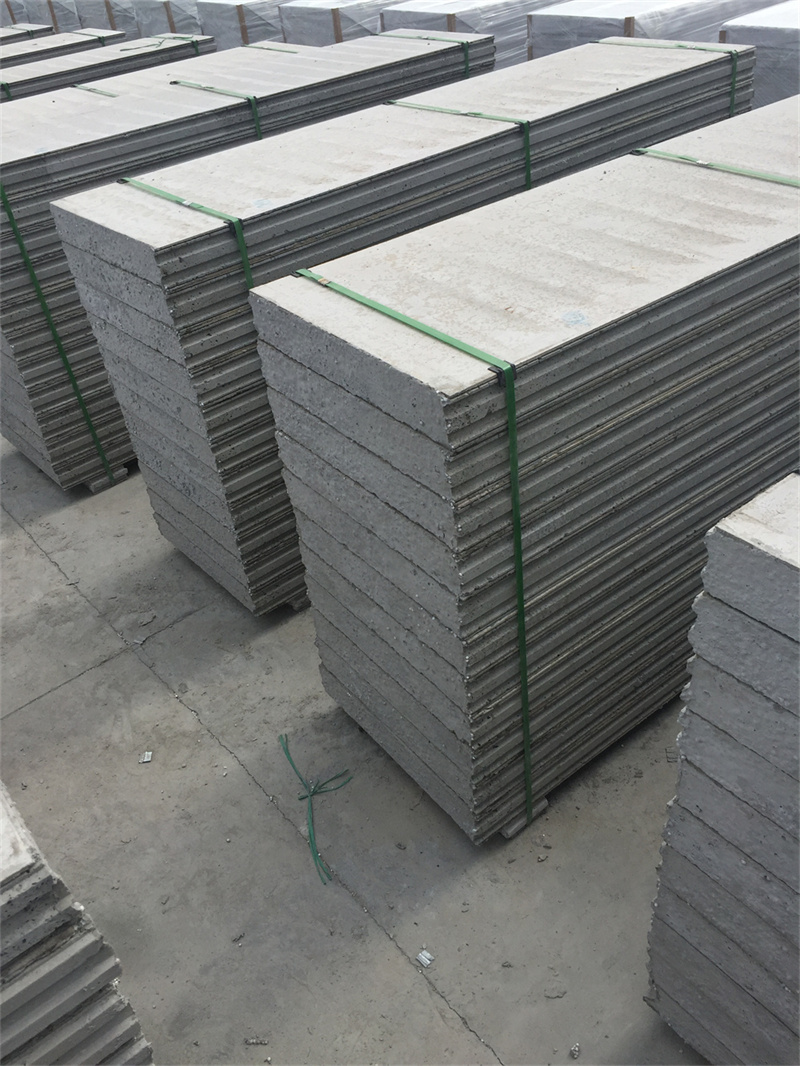
When developers and contractors talk about cutting construction timelines without compromising long-term performance, the EPS Cement Wall Panel almost always comes up as a top solution. This prefabricated composite material, made of fiber-reinforced cement outer layers and an expanded polystyrene core, has moved far beyond niche experimental projects to become a mainstream choice for all kinds of building scenarios.
One of the most obvious benefits that makes EPS Cement Wall Panel stand out is its adaptability across different project types. Unlike traditional brick walls that require on-site mixing, plastering and long curing periods, these pre-cut panels can be installed directly with dry joint methods, which cuts down on messy construction waste and reduces on-site labor demand by nearly 50 percent in most cases. For small to mid-sized projects that have tight delivery deadlines, this advantage alone can save weeks of construction time.
In practical use, the lightweight nature of EPS Cement Wall Panel also brings hidden benefits that many project owners do not notice at first. Because each panel is much lighter than a traditional concrete block, the overall load on the building’s foundation is significantly reduced. This means engineers can design a lighter foundation structure, which further cuts down material costs and shortens the foundation construction phase. Even for projects located in seismic zones, this lower weight helps improve the building’s overall earthquake resistance, making it a safer choice for high-risk regions.
The thermal insulation performance of EPS Cement Wall Panel also delivers long-term operational savings for building occupants. The closed-cell EPS core effectively blocks heat transfer between indoor and outdoor spaces, keeping interiors cooler in summer and warmer in winter without over-reliance on HVAC systems. Over the 60 to 70 year service life of the building, these energy savings can add up to a sum that far exceeds the initial small premium of choosing this modern wall material over traditional options.