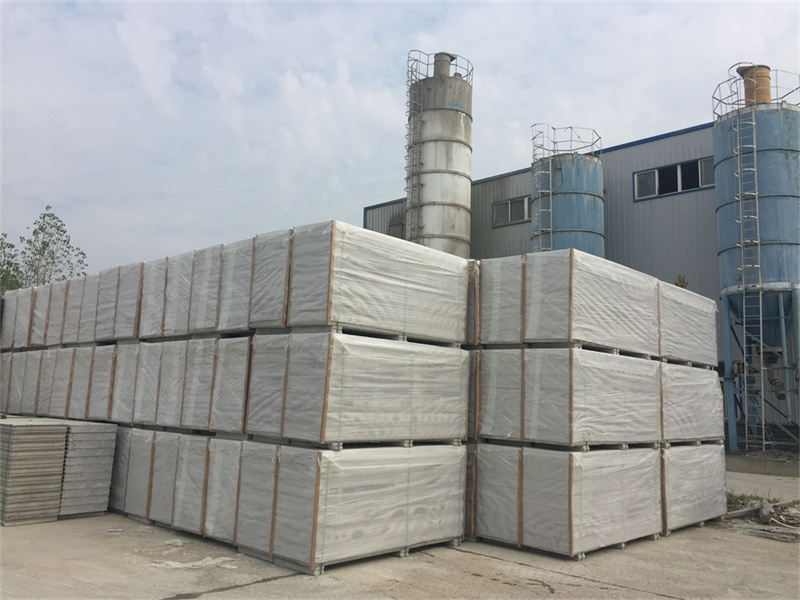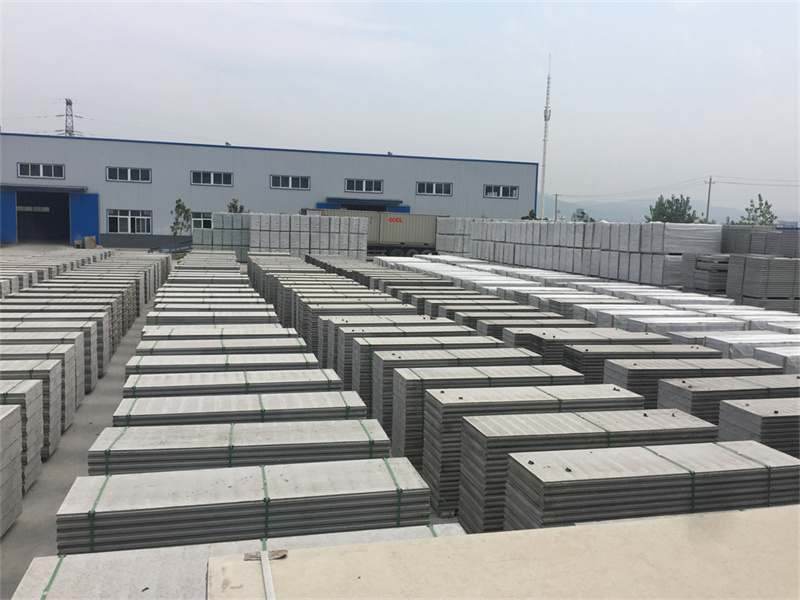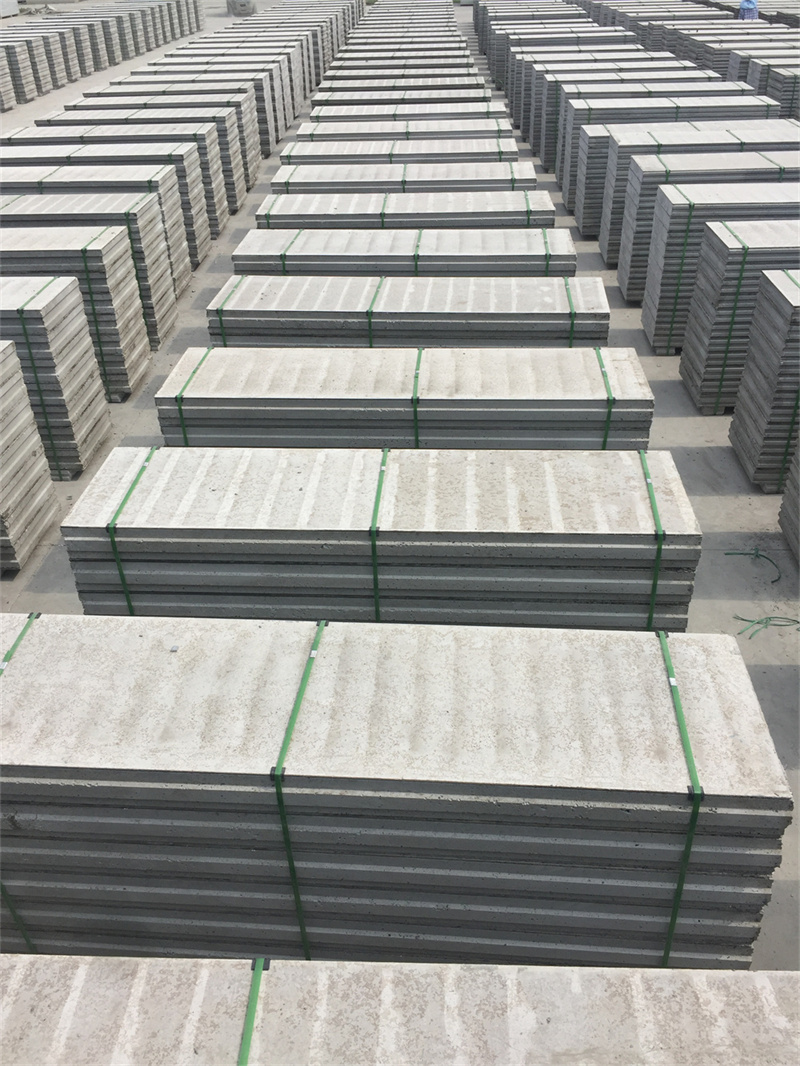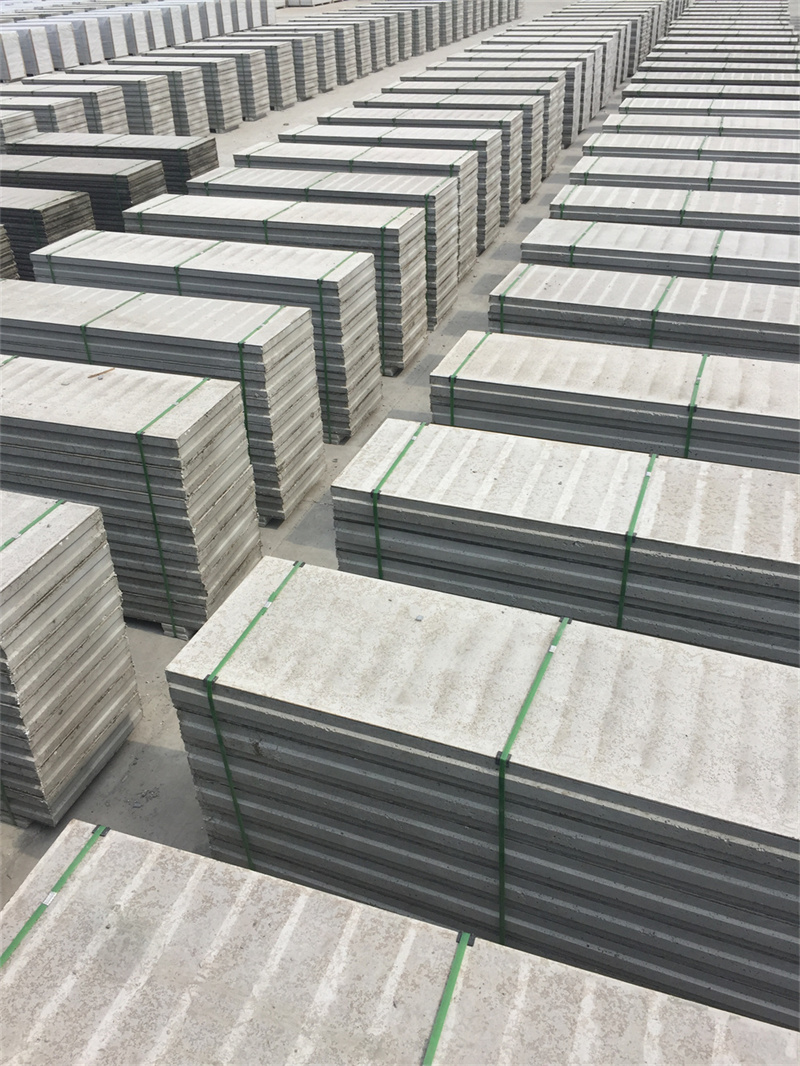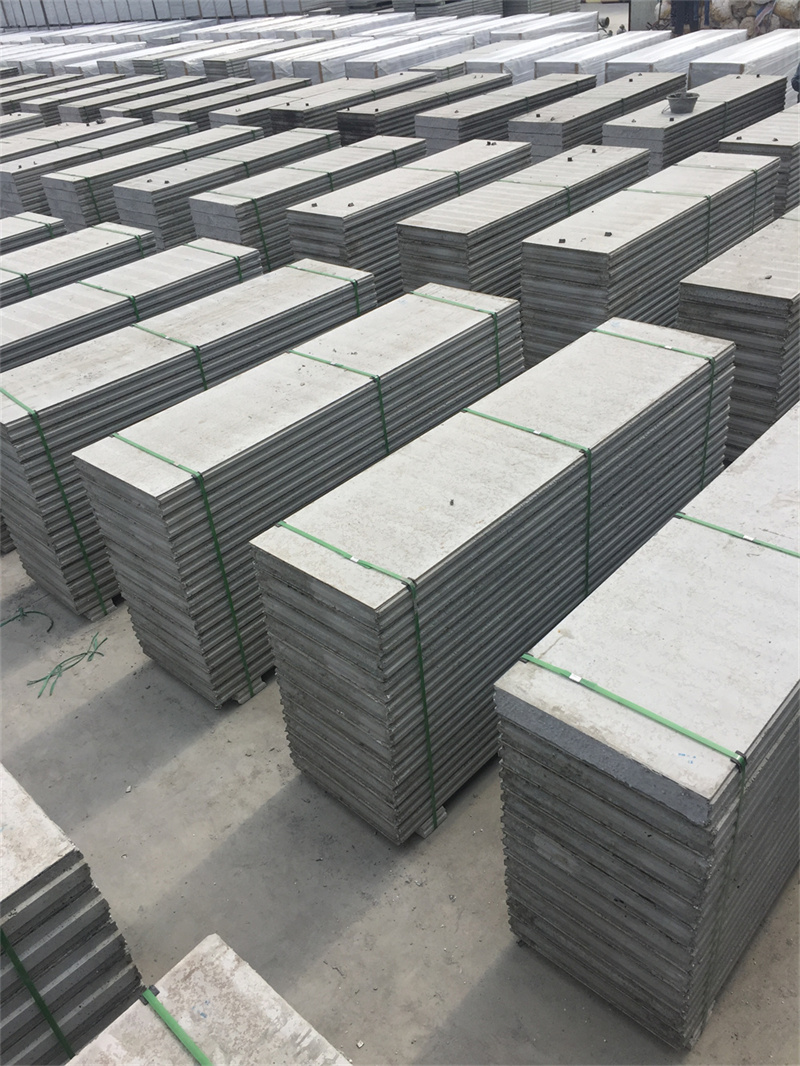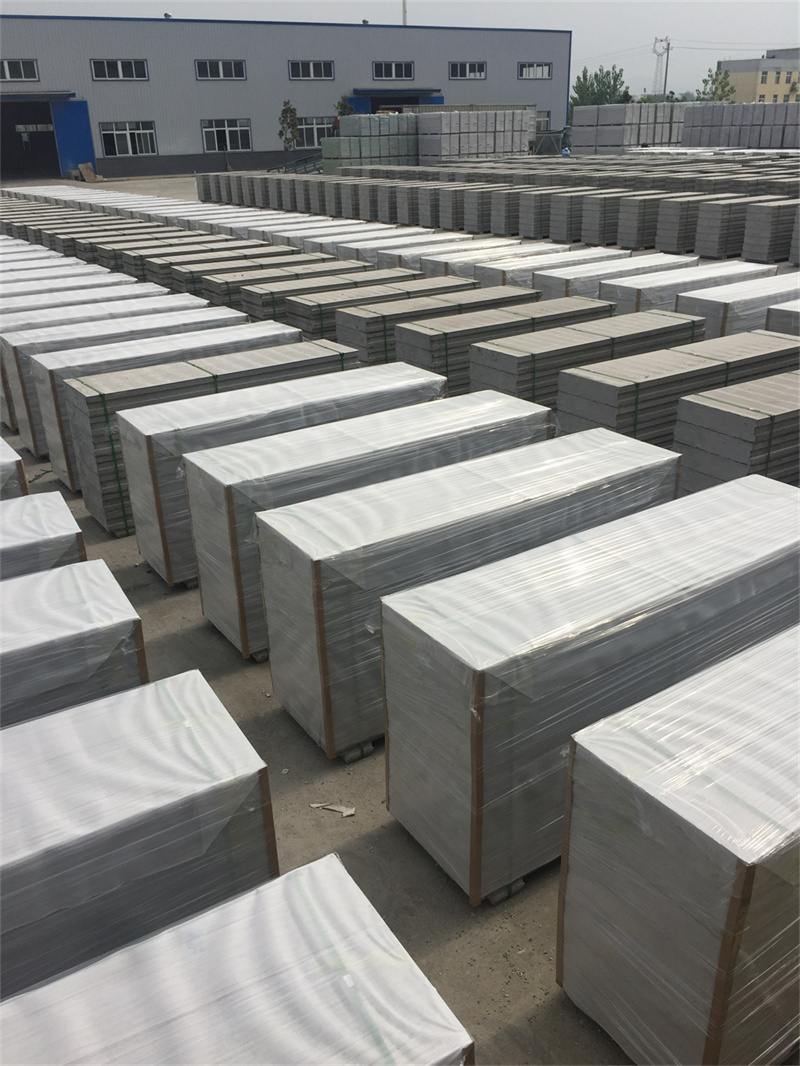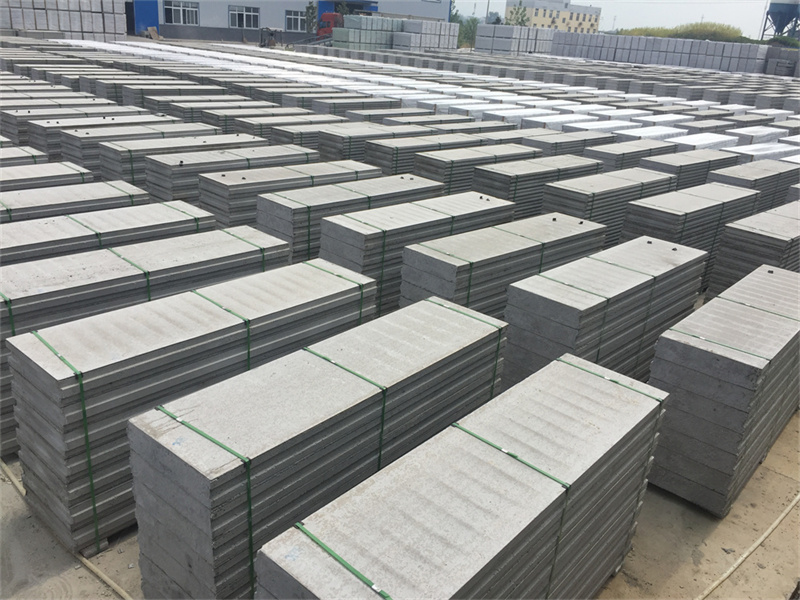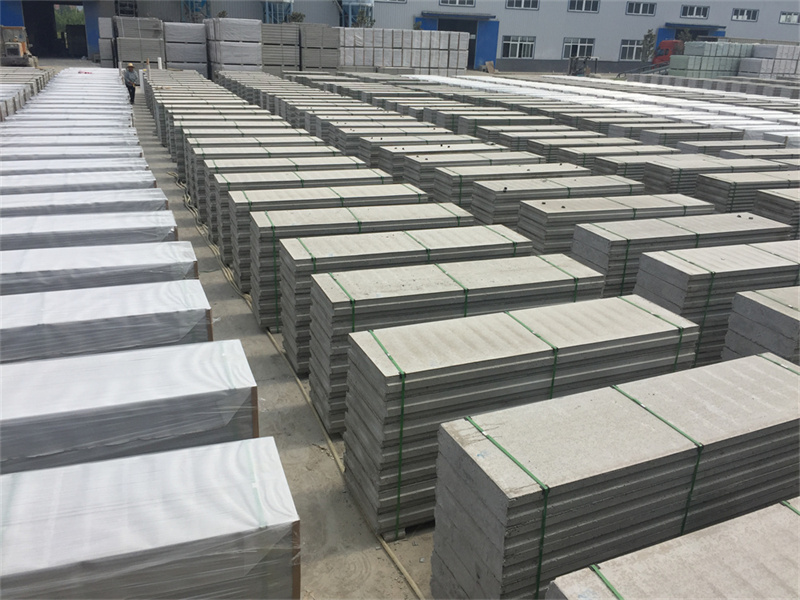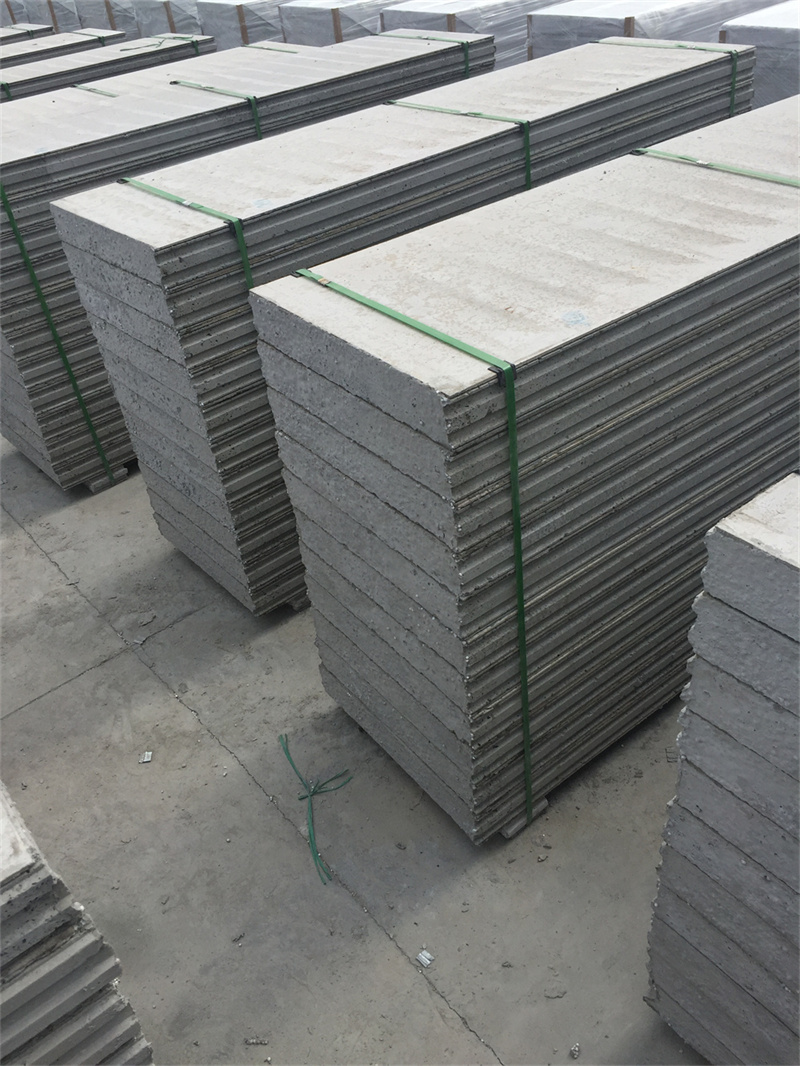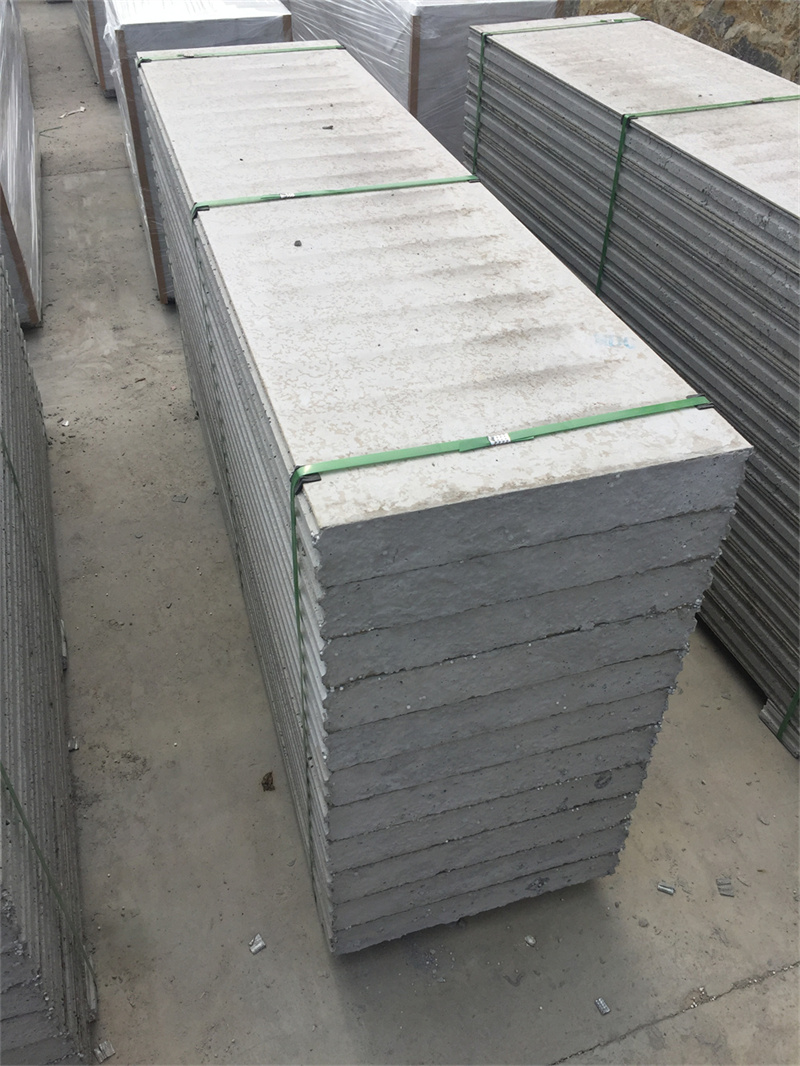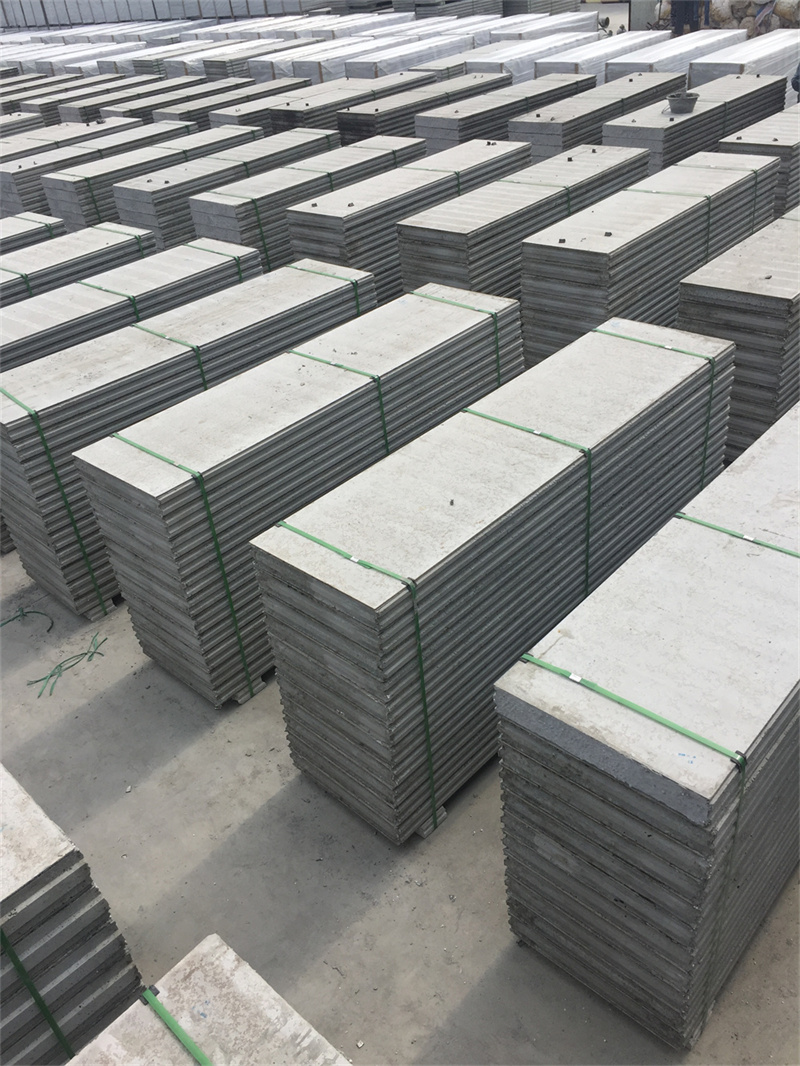
Zero energy buildings that produce as much renewable energy on site as they consume over a full year have moved from experimental demonstration projects to mainstream construction standards across many regions, and the EPS Cement Sandwich Panel has become one of the most important foundational materials making this large scale adoption possible. The entire design of a net zero building relies on minimizing unnecessary energy loss first, before adding solar panels and other renewable energy systems to offset remaining consumption. Without a highly efficient building envelope that stops almost all uncontrolled heat transfer, even the largest solar array will not be enough to help a project reach true zero energy status.
The EPS Cement Sandwich Panel creates an almost completely uninterrupted thermal barrier across the entire building exterior, eliminating the thermal bridging that wastes a huge amount of energy in conventional wall systems. In traditional framed wall construction, every metal stud that runs from the inside to the outside of the wall creates a direct heat path that can account for up to 30% of total building heat loss in winter. Since the EPS Cement Sandwich Panel uses continuous cement skins bonded firmly to the EPS core, there are no metal studs running through the panel itself, so thermal bridging across the wall surface is reduced to nearly zero. This consistent insulation performance means building designers can accurately calculate annual energy consumption with very small margins of error, which is critical for zero energy project planning.
Many recently completed zero energy residential and commercial projects have reported that using EPS Cement Sandwich Panel for all exterior walls allowed them to reduce their total required solar panel capacity by 22% compared to projects using traditional wall systems. This directly cuts the high upfront cost of the renewable energy system, making zero energy buildings financially accessible for far more developers and property owners. The panel also supports other sustainable design goals: it contains no volatile organic compounds during operation, can be partially recycled at the end of its long service life, and its production process generates 60% less carbon emission per square meter than the manufacturing of equivalent clay bricks.