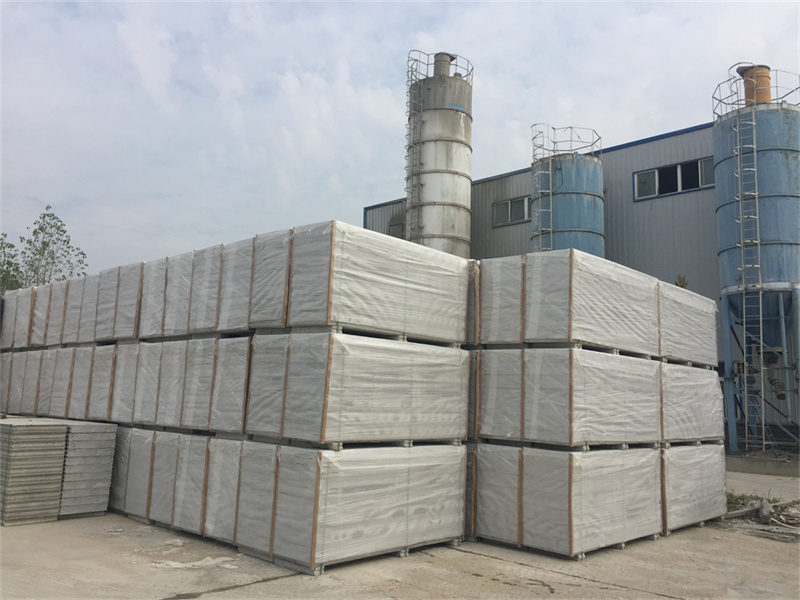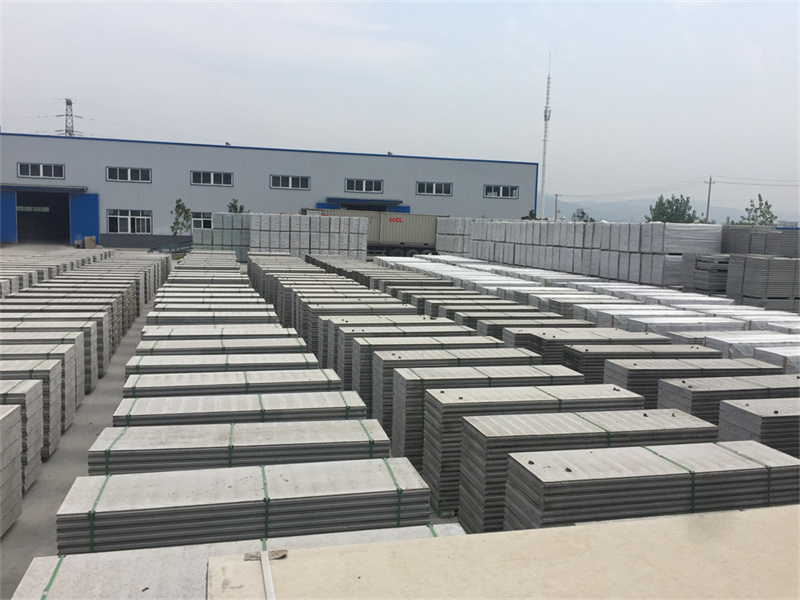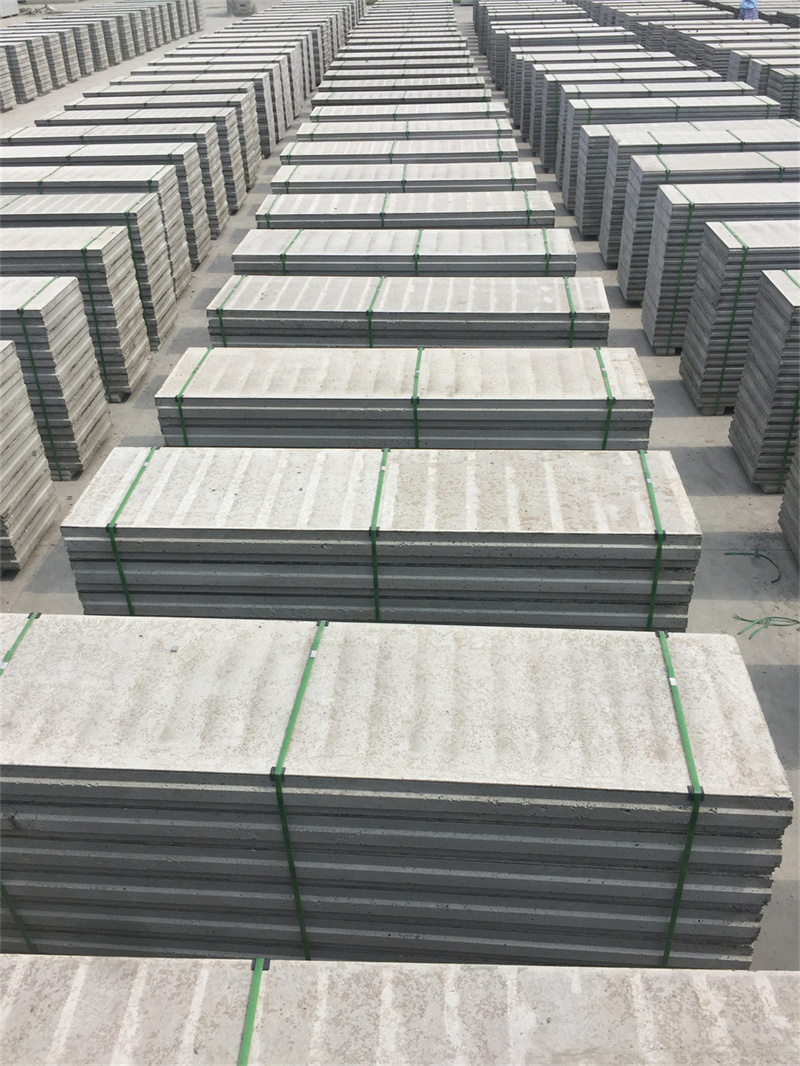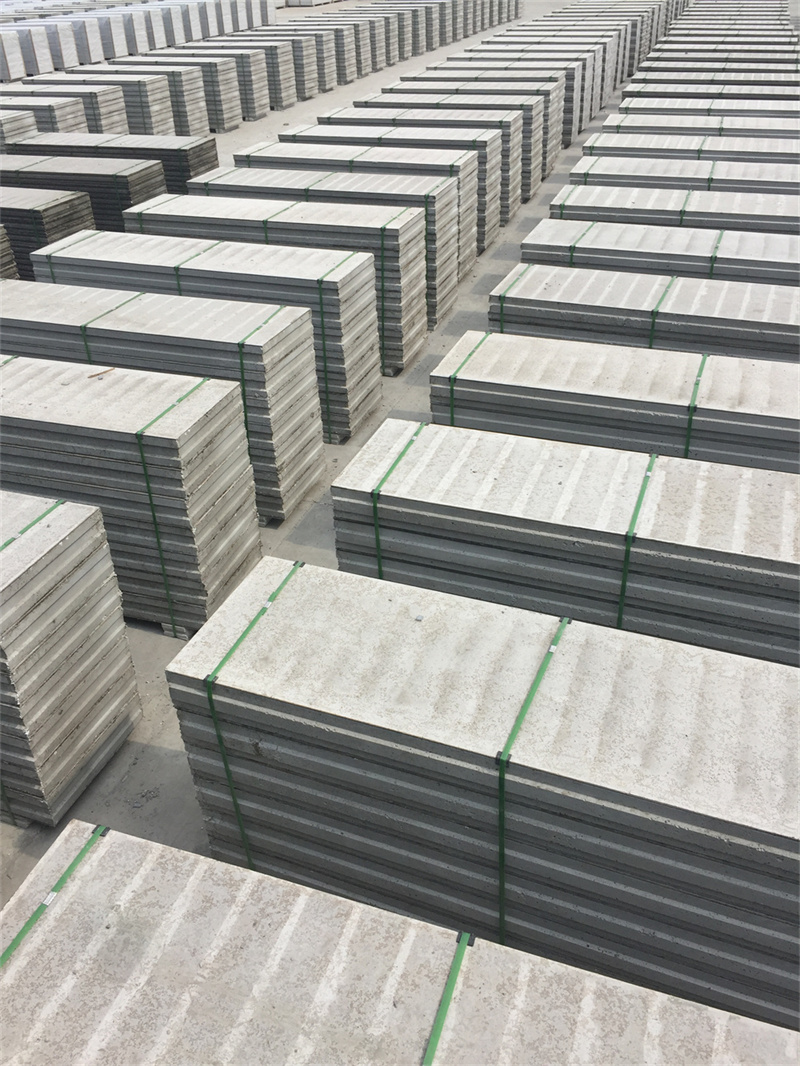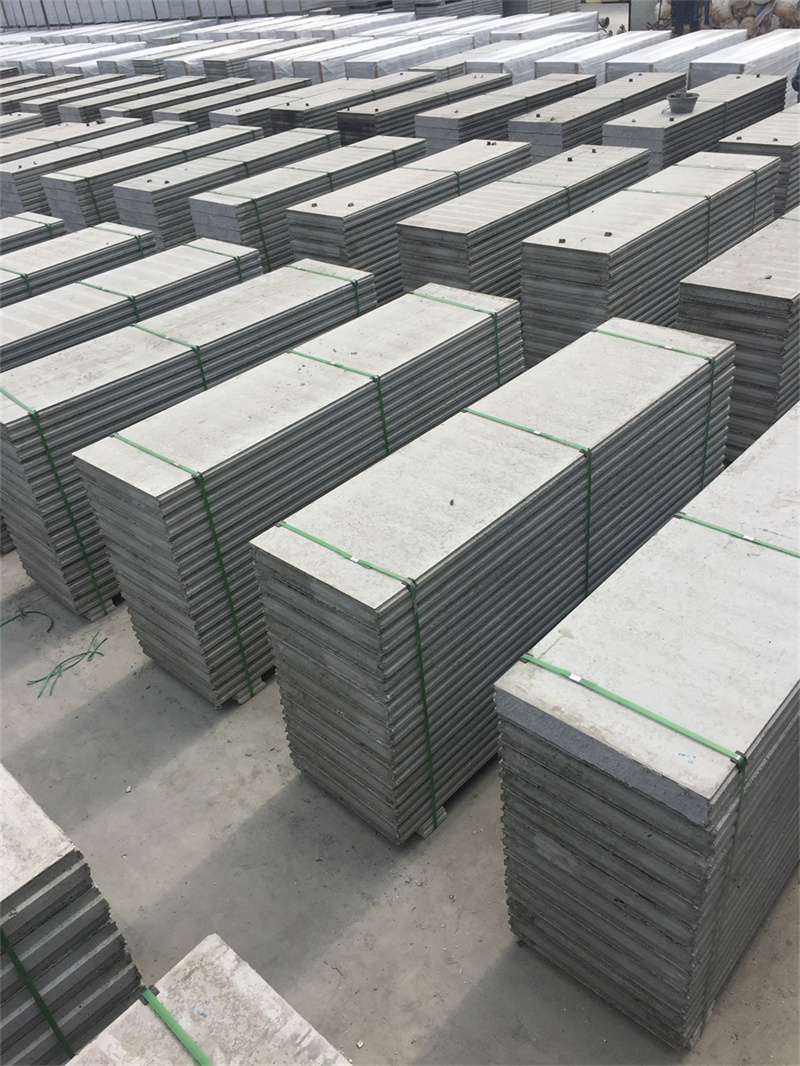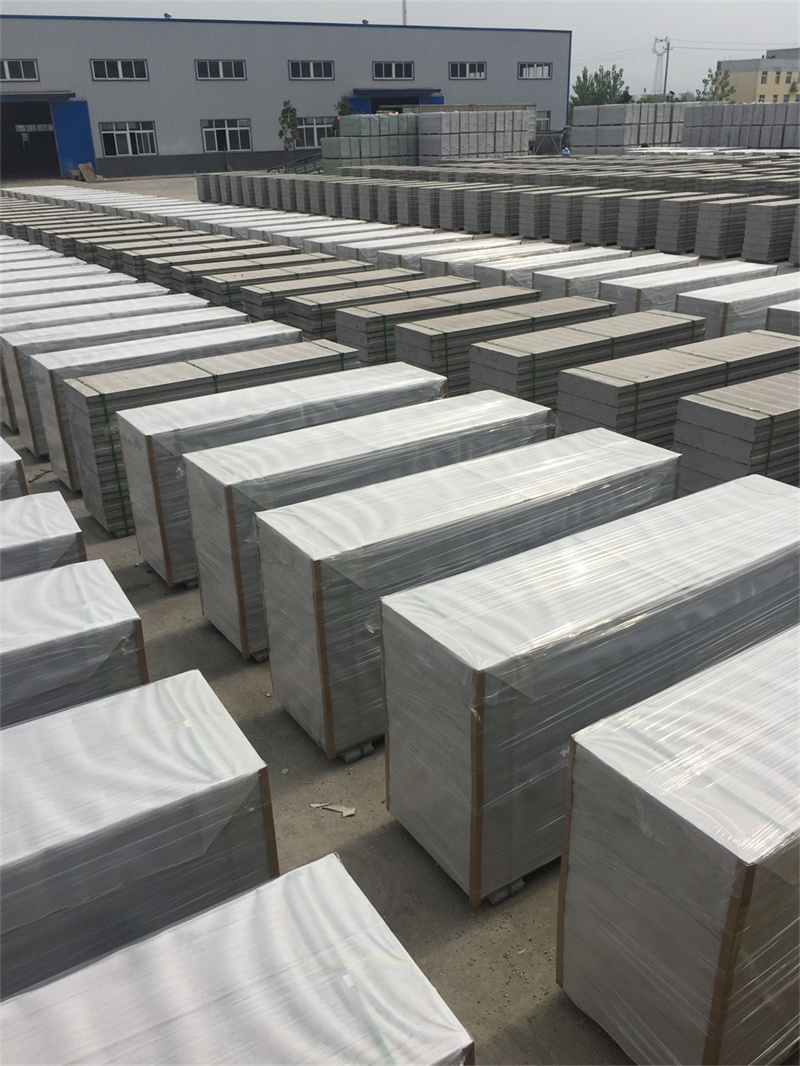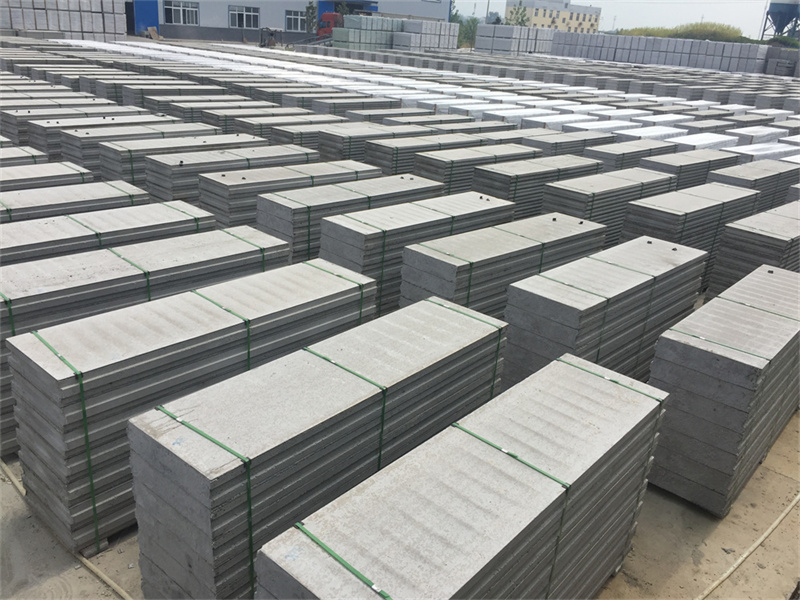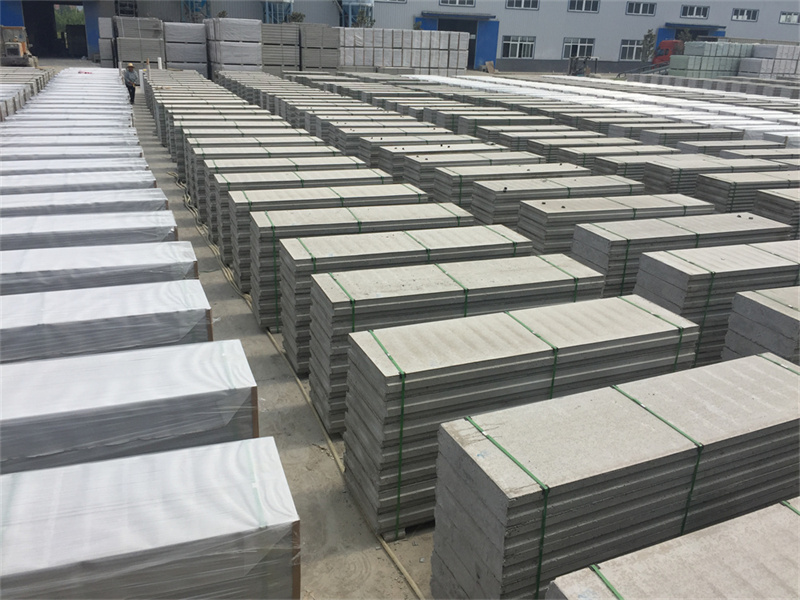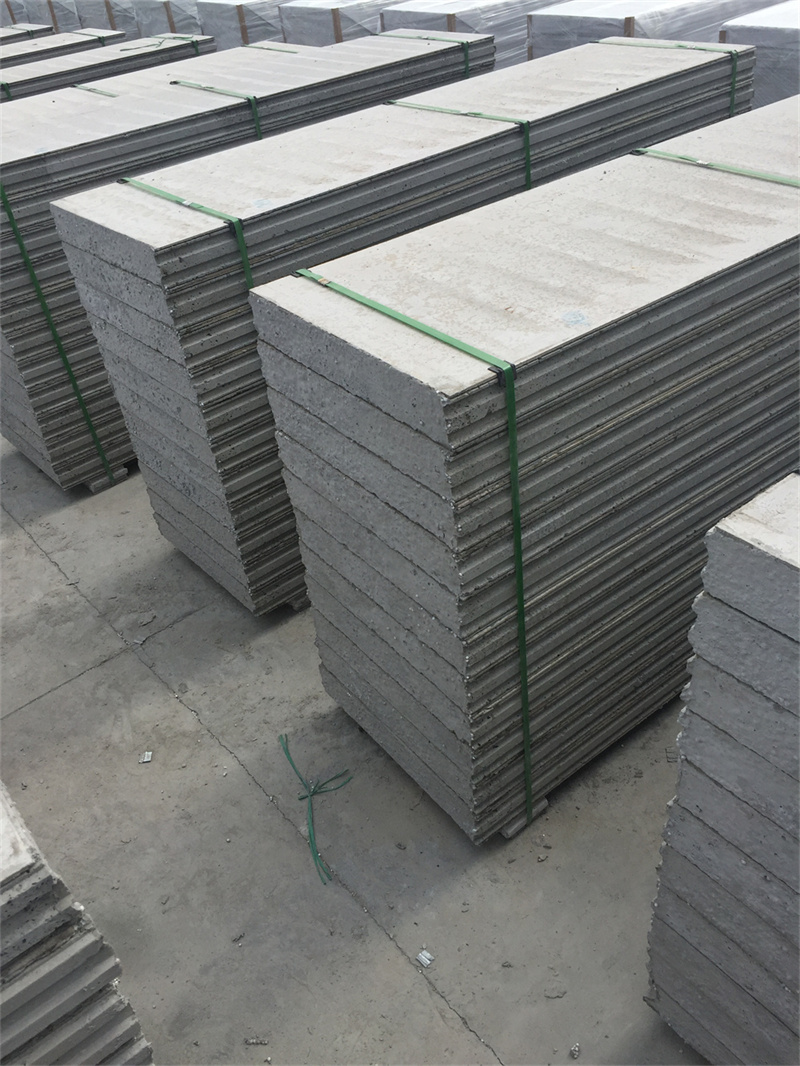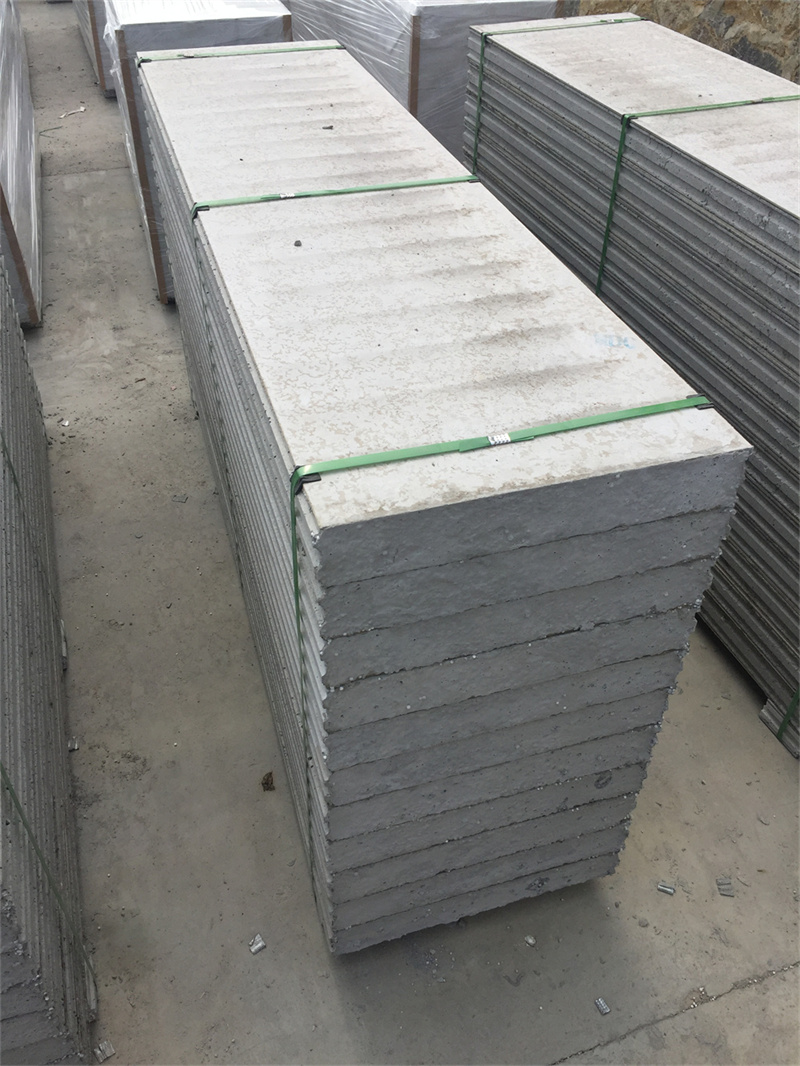
When renovating or building new residential apartments, many property developers and homeowners are looking for wall materials that balance speed, safety, and long-term performance, and the EPS Cement Sandwich Panel has quickly become the leading solution for interior partition walls. Unlike traditional clay bricks or concrete blocks that require heavy cement mortar and long curing time, this lightweight panel can be installed directly with specialized mortar and anti-crack tape, allowing one worker to cover up to 15 square meters of partition wall area per day. This drastically cuts down the total construction period of an apartment project by more than 30%, which is a huge advantage for developers aiming for faster delivery and lower labor costs.
The core structure of the EPS Cement Sandwich Panel consists of high-strength calcium silicate face boards and a composite core made of cement, EPS beads, and fly ash, giving it a level A fire rating that can resist high temperatures for up to 4 hours. For apartment residents, this means much higher fire safety compared to lightweight partition materials made of pure foam. At the same time, the panel delivers 36 to 50 decibels of sound insulation, which effectively blocks noise between adjacent bedrooms, living rooms, and kitchens, creating a quiet and comfortable living environment. Its lightweight feature, with a weight of only 45 to 95 kilograms per square meter, also reduces the overall load of the building structure, making it easier for architects to design higher floors without extra structural reinforcement. Many completed apartment projects in recent years have proven that using EPS Cement Sandwich Panel as interior partitions not only meets all local building codes but also brings better energy efficiency, as its thermal insulation core helps maintain stable indoor temperatures and cuts down annual heating and cooling costs for residents.