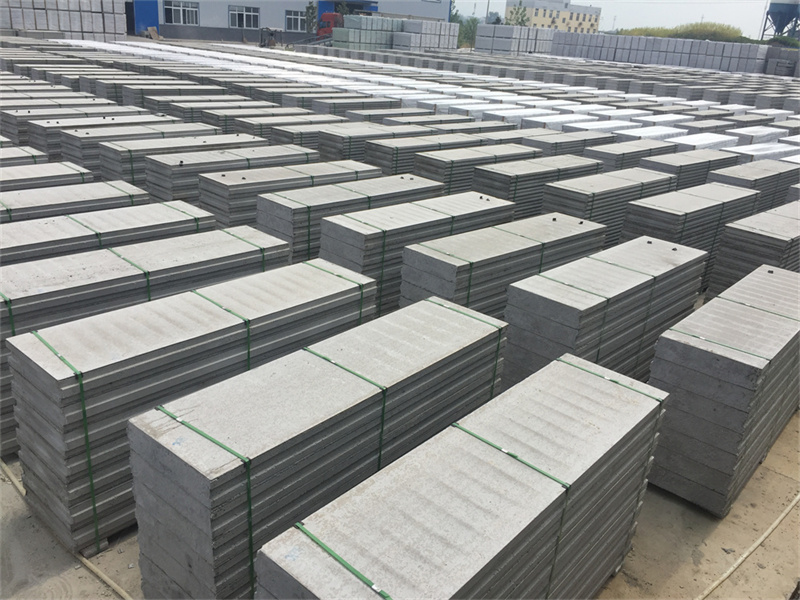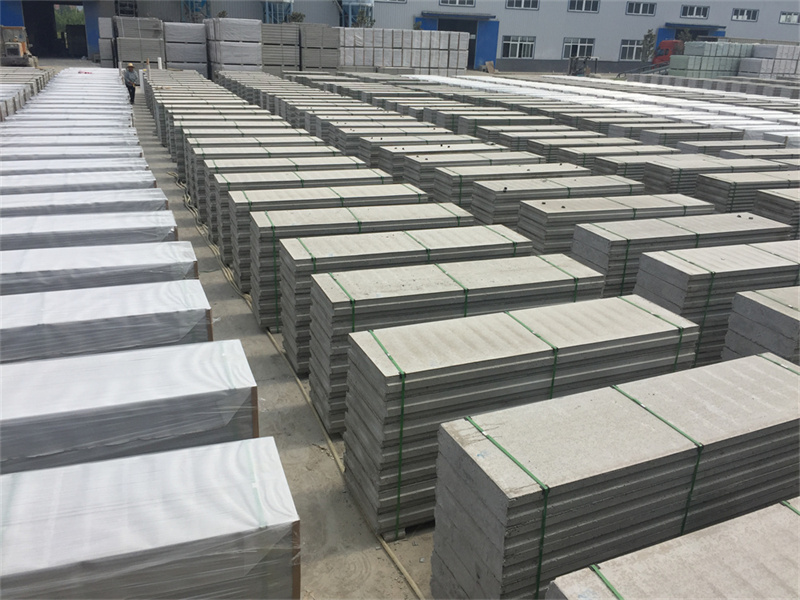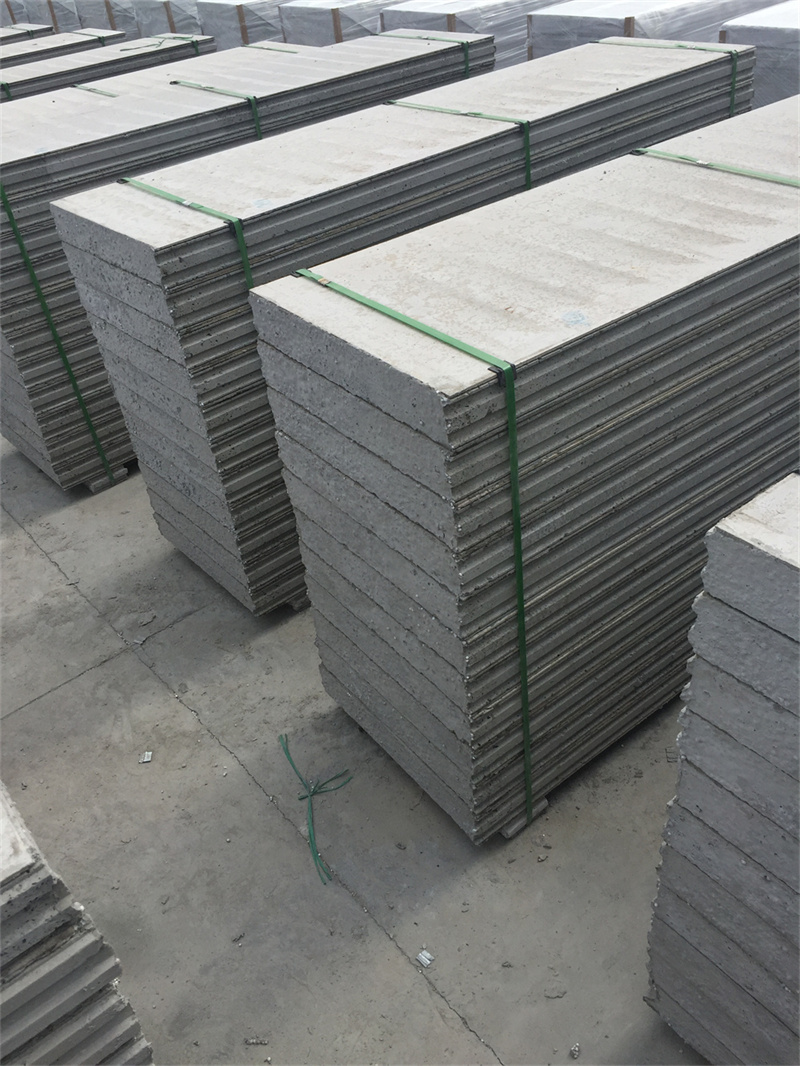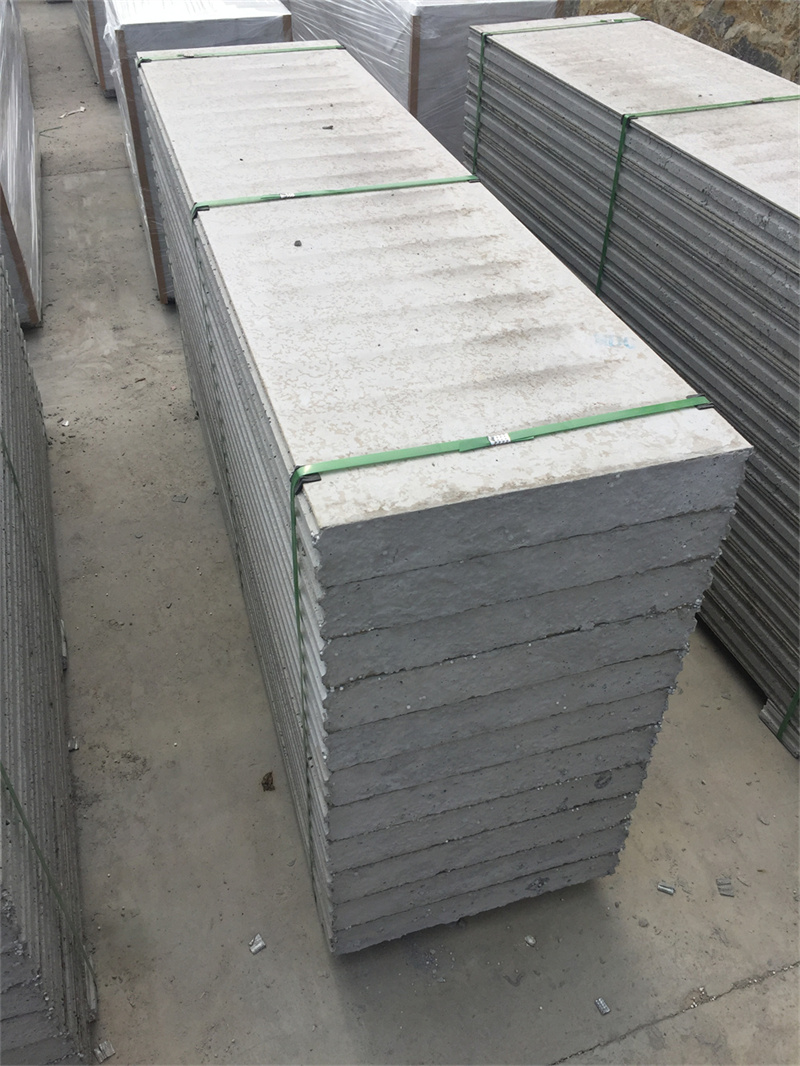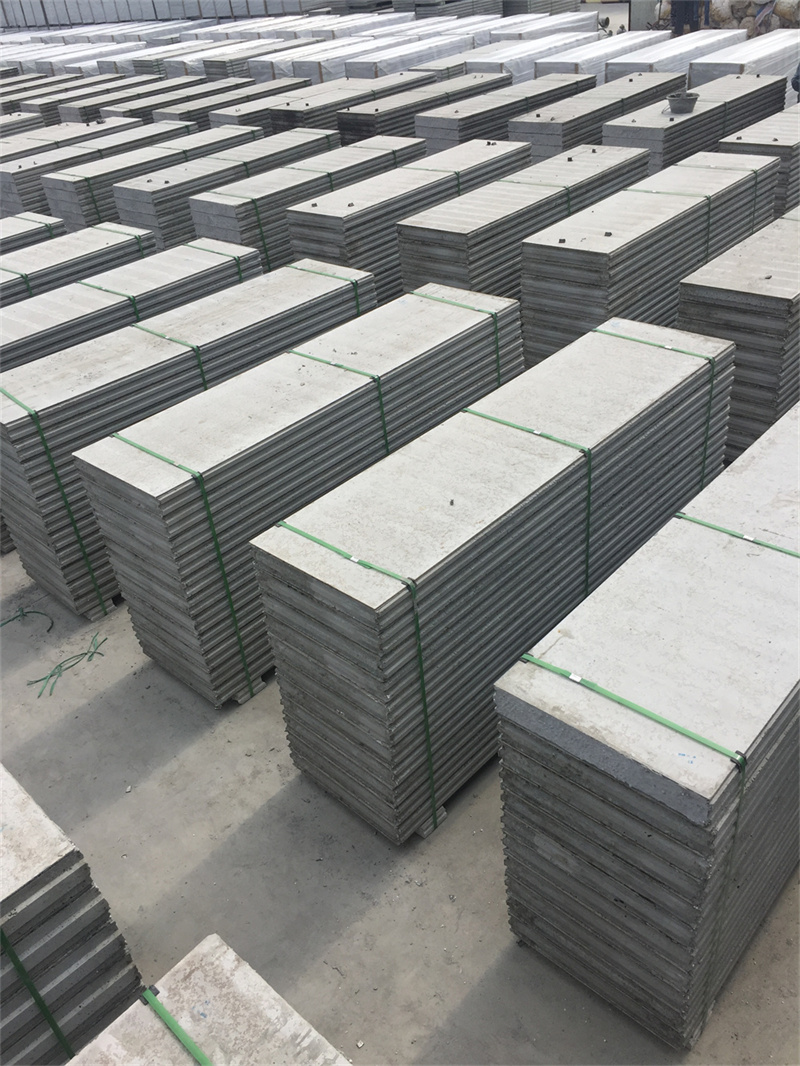
EPS Cement Sandwich Panel Manufacturer

EPS Cement Sandwich Panel Manufacturer

Cost Comparison EPS Cement Sandwich Panel Vs Drywall For Office Interiors

When planning an office renovation, one of the most common questions project managers ask is whether to choose EPS Cement Sandwich Panel or traditional gypsum drywall for internal partitions. While drywall may seem cheaper at first glance, a full total cost comparison shows that EPS Cement Sandwich Panel is actually the more cost-effective choice for most commercial office projects.

At the material level, a standard 100mm EPS Cement Sandwich Panel integrates the core insulation, cement board layers, and structural strength all in one single unit. A traditional drywall partition of the same thickness requires double layers of gypsum board, a metal stud frame, sound insulation wool filled inside, and multiple layers of joint treatment. When you add all these separate materials together, the total material cost of drywall is already very close to EPS Cement Sandwich Panel.

The biggest cost difference comes from installation and follow-up work. Installing a drywall partition requires multiple steps: building the metal frame, placing the insulation wool, screwing on two layers of drywall, applying joint compound, sanding, and waiting for full drying. This process takes far more working hours than installing EPS Cement Sandwich Panel, leading to much higher labor costs. In the long run, EPS Cement Sandwich Panel is far more resistant to impact, moisture, and accidental damage than drywall, so you will spend almost no money on wall repairs over years of office use. When you calculate the total cost over the full service life of the office, EPS Cement Sandwich Panel delivers far better value for money than regular drywall.
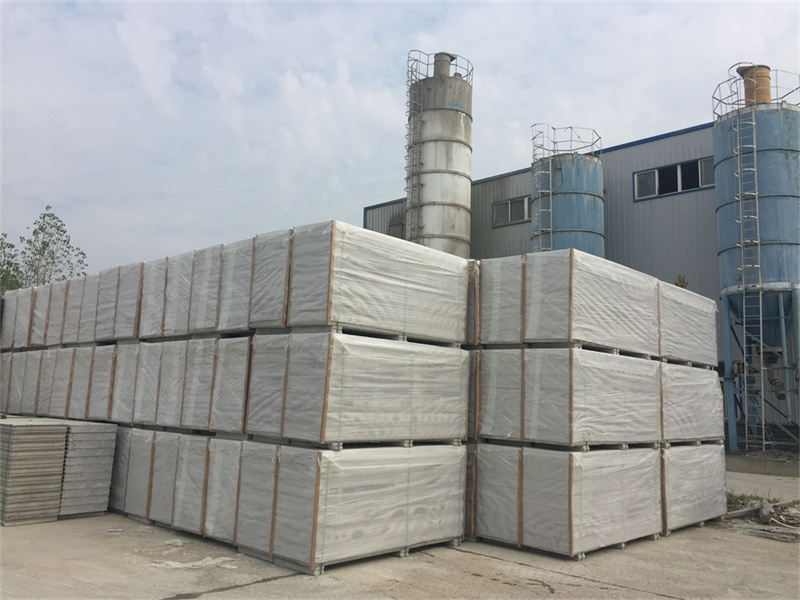
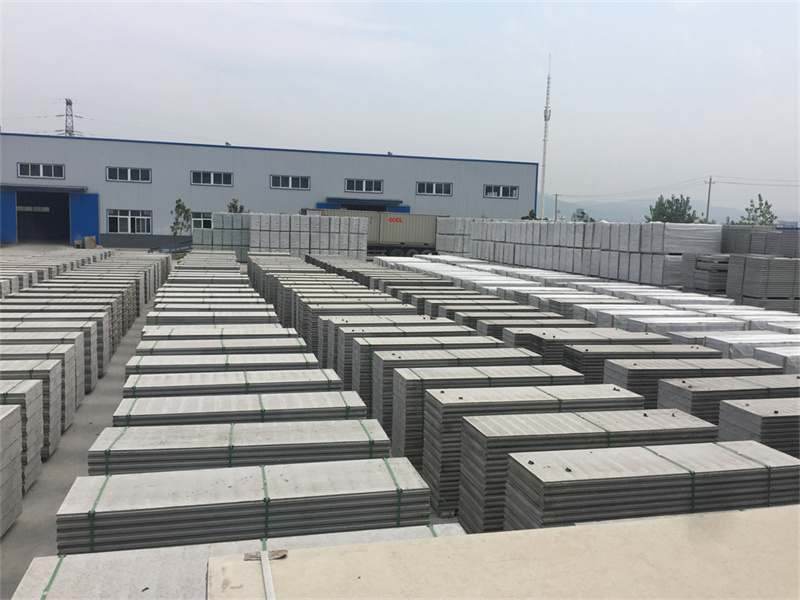
Relocatable Office Layout Adjustments Using EPS Cement Sandwich Panel

As businesses grow and team sizes change, most offices need to adjust their internal layout every 2 to 3 years to add new workstations, create new meeting rooms, or rezone different departments. Traditional brick or fixed drywall partitions are very difficult to modify, and tearing them down generates huge amounts of construction waste and extra renovation costs. EPS Cement Sandwich Panel solves this problem perfectly, because it is a semi-modular material that supports easy, low-cost layout adjustments.

When you need to modify the office layout, you can carefully remove the EPS Cement Sandwich Panel units one by one, without breaking them or causing major damage to the floor or ceiling. The panels can then be reused in the new layout, with only a small number of new panels needed to fill the new wall dimensions. This drastically reduces the total material cost of the layout adjustment, and cuts down construction waste by more than 80% compared to tearing down and rebuilding traditional walls.

This flexibility is especially valuable for growing startups, creative agencies, and companies that often reorganize their teams. You can start with an open office layout, then add new private offices when new managers join, expand the meeting room area when your team starts hosting more client visits, or create new quiet zones when you find employees need more space for deep work. With EPS Cement Sandwich Panel, your office layout no longer needs to be a permanent, fixed structure, it can grow and change freely alongside your business.

EPS Cement Sandwich Panel For Office Pantry And Break Area Wall Construction

Office pantries and break areas are high-traffic zones that face frequent water splashes, food stains, steam, and heavy daily use, so the wall material in these areas needs to be moisture-resistant, easy to clean, and strong enough to handle heavy items like microwaves and water dispensers. EPS Cement Sandwich Panel is perfectly suited for this application, thanks to its cement-based structure that does not absorb water easily and will not deform or grow mold even in regularly humid environments.

Unlike drywall that will soften and break down after long-term exposure to kitchen steam and water splashes, EPS Cement Sandwich Panel maintains its full structural strength even in humid pantry conditions. You can tile the wall surface directly with ceramic tiles, install a waterproof backsplash behind the counter, or apply a waterproof paint finish that can be wiped clean in seconds when there are coffee spills or food splatters. This makes daily pantry maintenance extremely easy for office facility management teams.

The strong screw-holding capacity of EPS Cement Sandwich Panel also lets you securely hang upper cabinets, spice racks, microwave brackets, and other heavy pantry fixtures directly on the wall, no extra hidden supports required. You can also easily cut openings for water pipes, electrical outlets for kettles and coffee machines, and ventilation ducts for range hoods during installation. For building a practical, durable, and easy-to-maintain office pantry wall, EPS Cement Sandwich Panel beats almost every other traditional wall material on the market.

Water and Moisture Resistance Benefits of EPS Cement Sandwich Panel for Humid Factory Environments

Factories located in regions with high humidity, frequent rain or humid summer weather often struggle with constant moisture problems in their walls, which can lead to mold growth, peeling paint, rotting materials and even structural damage over time. The EPS Cement Sandwich Panel is specifically designed to resist these kinds of moisture issues, making it the perfect wall material for humid industrial environments. Traditional porous wall materials like unplastered brick or lightweight concrete block easily absorb water from humid air, rainwater spills or regular factory washing. Over time, this trapped moisture builds up inside the wall, creating the perfect environment for mold and mildew to grow. This mold not only damages the wall itself, it can also release spores into the factory air that can affect worker health, and even contaminate sensitive products like food, pharmaceuticals or electronics components. The EPS Cement Sandwich Panel has a non-porous, high-density cement facing on both sides that does not absorb water at all. Water and moisture can not penetrate into the panel core, so there

The Impact of EPS Cement Sandwich Panel on Factory Productivity After Renovation

Most factory owners start a renovation project to fix obvious problems like old walls, poor insulation or lack of space, but very few realize just how much the EPS Cement Sandwich Panel can directly improve the overall productivity of their entire workforce after the project is completed. The improvements start with the basic working environment. Before renovation, many old factories have extreme temperature swings, where workers are sweating through the summer months and shivering through the winter. When people are too hot or too cold, it is impossible for them to focus fully on their work, and productivity naturally drops. After you install the EPS Cement Sandwich Panel, the consistent thermal insulation keeps the entire factory at a mild, stable temperature all day long. Workers are far more comfortable, they do not get tired as quickly, and they can maintain their full focus and work rate for their entire shift. This small change alone can create a noticeable, measurable increase in daily production output. The improved sound insulation that these panels provide is another huge boost to productivity. In a typical factory with no proper partition walls, the noise from multiple machines all running at the same time creates a constant, loud background roar that makes it hard for workers to communicate, hear safety alerts, or concentrate on detailed, precise work. When you use the EPS Cement Sandwich Panel to divide your factory into separate zones, the noise from heavy machinery stays contained inside its own production area. Workers in quieter zones can talk to each other without shouting, hear instructions clearly, and focus on detailed assembly or quality control work without constant noise distraction. This reduces mistakes, improves work quality, and makes communication across your entire team far more efficient. The new layout flexibility that these panels give you also improves productivity. You can rearrange your production zones to create a much smoother, more efficient workflow, where raw materials come in one end, move step by step through each production stage, and exit as finished products at the other end, with no unnecessary backtracking or wasted movement. This optimized layout cuts down on the time your team spends moving materials around, and reduces bottlenecks that slow down your entire production line. Even the cleaner, brighter, more modern look of the new panels has a positive effect on worker morale. When people work in a clean, well-maintained, safe facility, they take more pride in their work, have lower absenteeism rates, and are more motivated to do their best. All these small improvements add up, and many factory owners report that after renovating with the EPS Cement Sandwich Panel, their overall factory productivity has increased by a very noticeable margin, making the return on their renovation investment even faster than they expected.

EPS Cement Sandwich Panel for Factory Mezzanine and Upper Floor Renovations

Adding a new mezzanine level or renovating an existing upper floor in your factory is one of the smartest ways to make better use of your vertical space, instead of spending huge amounts of money expanding outward to get more floor area. The EPS Cement Sandwich Panel is the perfect material for this kind of project, because it solves all the biggest challenges that come with building walls on upper floors. The biggest limitation when you are adding walls to a mezzanine or upper factory floor is the total weight that the floor structure can safely support. Traditional brick, block or concrete walls are extremely heavy, and most older mezzanine structures were never designed to hold that kind of extra weight. This means if you try to use traditional materials, you will need to spend a huge amount of money reinforcing the entire floor structure with extra steel beams, which can double or triple the total cost of your project. The EPS Cement Sandwich Panel is incredibly lightweight, weighing only a small fraction of what a traditional concrete wall of the same size weighs. This means you can install full height, solid partition walls on almost any existing mezzanine or upper factory floor, without needing any expensive, invasive structural reinforcements. This saves you a massive amount of money on structural engineering and steel work, and lets you complete your mezzanine project in a fraction of the time. The panels are also very easy to carry up to the upper floor. Unlike heavy concrete blocks that require large hoisting equipment and big construction teams, individual EPS Cement Sandwich Panel sections can be easily carried up stairs or moved with a small forklift, so you do not need to install expensive heavy lifting equipment just to get your building materials to the work area. Once installed, these panels still offer all the same great performance benefits you would expect. They provide excellent sound insulation, which is extremely important on a mezzanine level, to stop noise from heavy machinery on the ground floor from disturbing people working on the upper level. They also have great fire resistance, so your new upper floor space will meet all industrial building safety codes, and they are strong enough to mount shelves, equipment and office partitions directly to the wall surface. Whether you want to turn your mezzanine into extra office space, a new quality control lab, additional storage area, or a dedicated staff training room, the EPS Cement Sandwich Panel makes the entire project simple, affordable and fast.

Renovating Your Old Factory Warehouse With EPS Cement Sandwich Panel

Old factory warehouses are often some of the most underutilized and inefficient spaces in an industrial facility, with leaky roofs, drafty walls, terrible temperature control, and almost no sound or fire separation. Renovating this space with the EPS Cement Sandwich Panel can turn a cold, dusty, unorganized old warehouse into a modern, high-performance storage space that works perfectly for your business. One of the biggest problems in old warehouses is that they are almost impossible to keep at a consistent temperature. In the summer, the metal walls heat up like an oven, making the inside so hot that workers can not spend long periods handling inventory, and many types of temperature-sensitive products get damaged. In the winter, cold air blows through gaps and cracks in the old walls, freezing pipes and making the space completely unusable for any kind of work that requires staff to be there. By cladding the interior or exterior of your old warehouse walls with the EPS Cement Sandwich Panel, you instantly add a full layer of high-performance insulation that stops all this unwanted heat transfer. Suddenly, your warehouse stays at a mild, consistent temperature all year round, which protects your stored goods, makes working conditions far better for your warehouse team, and cuts your energy costs dramatically. Old warehouses also almost never have proper internal partitions, so everything from raw materials, finished goods, tools and forklift charging stations are all mixed together in one big open space. This makes it very hard to organize your inventory, increases the risk of accidents, and makes it impossible to create separate secure zones for high-value stock. Using the EPS Cement Sandwich Panel, you can quickly build strong, solid partition walls that divide your warehouse into separate, clearly defined zones. You can create a locked high-value storage room, a dedicated forklift maintenance bay, a temperature controlled zone for sensitive materials, and even a small on-site warehouse office, all without any messy wet construction work. These panels also make your warehouse much more secure. The solid cement surface is extremely hard to break through, so it is much harder for unauthorized people to gain access to your stored inventory, compared to thin metal partition walls. The improved fire resistance of the EPS Cement Sandwich Panel also makes your warehouse far safer, stopping a small fire in one storage section from spreading to your entire inventory. After this simple renovation, your old warehouse will go from being a costly, inefficient burden to one of the most valuable, well-organized parts of your entire factory operation.

EPS Cement Sandwich Panel Solutions for Large Scale Factory Expansion Projects

When you are planning a very large factory expansion, adding tens of thousands of square feet of new production, storage and warehouse space, every small decision about your building materials will have a massive impact on the total cost, timeline and quality of your entire project. The EPS Cement Sandwich Panel is perfectly suited for these large-scale industrial projects, offering advantages that no other wall material can match at this scale. For a very large expansion, the speed of installation becomes one of the most critical factors in your project success. With traditional masonry construction, you would need to hire hundreds of skilled masons, coordinate huge deliveries of bricks, cement and sand, and deal with weeks of wet weather delays that can push your project timeline months past the original deadline. When you use the EPS Cement Sandwich Panel, your construction team can install thousands of square meters of wall space in a very short period of time, with a much smaller crew. This means even a massive 100,000 square foot factory expansion can be completed in a fraction of the time it would take with traditional methods, so you can start moving in new production equipment and generating revenue far earlier. The consistent quality of prefabricated panels is also a huge advantage for large projects. Every single EPS Cement Sandwich Panel comes out of the manufacturing facility with exactly the same thickness, insulation performance, strength and surface finish. You will not end up with sections of wall that are poorly insulated, uneven, or weaker than other sections, which is a very common problem when you have large teams of different workers building walls on site. This uniform quality means your entire new factory space will have consistent temperature control, consistent fire safety performance, and consistent structural strength across every single zone. The lightweight nature of the panels also creates huge structural cost savings for large projects. Because the total weight of all your walls is so much lower than brick or concrete, you can design a much lighter, more cost-effective foundation and steel structure for your new large factory building. This cuts down the total amount of concrete and steel you need to purchase, which are two of the most expensive materials in large industrial construction, saving you a huge amount of money on your total project budget. Even for very large, long-span factory buildings that need huge open production floors with no supporting pillars in the middle, the EPS Cement Sandwich Panel is the perfect choice. It is strong enough to be used for both exterior walls and internal partitions, it works perfectly with modern steel structure frameworks, and it delivers the insulation and safety performance you need for a world-class large-scale industrial facility.

Upgrading Factory Safety EPS Cement Sandwich Panel for Fire Resistant Walls

Fire safety is the number one priority for any industrial facility, and one of the most impactful upgrades you can make during a factory renovation or expansion is replacing old, flammable wall materials with the highly fire-resistant EPS Cement Sandwich Panel. Many older factories were built using wall materials that have poor fire performance, which means if a small fire starts near a machine or a storage area, it can spread extremely quickly across the entire facility, putting your workers, your equipment and your entire business at serious risk. The EPS Cement Sandwich Panel is designed from the ground up with industrial fire safety in mind. Both sides of each panel are made of high-density, non-combustible cement board that will not catch fire, melt or release dangerous toxic fumes when exposed to high temperatures. Even the EPS foam core inside the panel is formulated with special fire-retardant additives that stop it from supporting flame spread, so the panel will not contribute to a fire growing larger. In independent fire resistance tests, these panels can withstand direct exposure to 1000 degree Celsius flames for multiple hours, without losing their structural integrity or letting fire pass through to the other side of the wall. This means if a fire breaks out on one side of an EPS Cement Sandwich Panel wall, the wall will stay completely intact for hours, stopping the fire from spreading into other zones of your factory. This gives your workers far more time to evacuate safely, gives your local fire department more time to arrive and control the fire, and limits the total amount of damage that the fire can cause to your facility. You can use these panels to build dedicated fire walls that separate different high-risk zones of your factory, like areas where flammable chemicals are stored, welding zones, or areas with large banks of electrical equipment. Even if a fire completely breaks out in one of these high-risk areas, the EPS Cement Sandwich Panel fire wall will contain it, protecting the rest of your production lines from damage. This not only makes your factory a much safer place for your employees, it can also help you reduce your industrial fire insurance premiums, as many insurance providers offer lower rates for facilities that use high-grade fire-resistant building materials. Upgrading your factory walls to the EPS Cement Sandwich Panel is one of the most effective, affordable safety investments you can make, that protects your people, your assets and the long-term future of your entire business.

Quick Installation Tips for EPS Cement Sandwich Panel in Factory Renovation Projects

If you are getting ready to start a factory renovation using EPS Cement Sandwich Panel, following a few simple practical installation tips will help you make the process go even faster, get a better final result, and avoid common small mistakes that can slow your project down. First, before any panels arrive on site, make sure your factory floor surface is completely level, clean and dry. Even small uneven spots on the floor can make it hard to get your first row of panels perfectly straight, which will cause alignment issues all the way up your wall. Taking the time to level the floor properly at the very start will save you hours of adjustment work later on. It is also a good idea to map out your full wall layout on the floor with clear marker lines before you start installing anything. Mark exactly where every panel will go, where all your door openings will be, and where any pipes or wiring will need to pass through the panels. This way, you can pre-cut all the necessary openings in the EPS Cement Sandwich Panel before you lift them into place, which is much easier than trying to cut them once the panel is already standing and secured. When you are moving the panels around your factory site, be careful not to drag them on the ground, as this can scratch or damage the smooth cement facing. Instead, carry them carefully with two people, or use a simple wheeled cart to move them, to keep the panel surface in perfect condition so you do not have to do extra repair work later. When joining two panels together, use the recommended specialized joint sealant that is designed for use with these panels. This will create a tight, seamless gap between panels that is completely airtight, water-resistant and helps maintain the full insulation performance of the entire wall. If you skip the proper sealant, you can end up with small hidden gaps that let air leak through, which will reduce the energy efficiency of your new wall. For any panels that need to have pipes or electrical wiring run through them, use a simple hole saw to make clean, neat openings, and then seal around the edges of the opening with a small amount of fire-resistant sealant. This keeps the fire resistance and sound insulation properties of the panel fully intact, even after you have cut through it. Finally, once all your panels are installed, do not wait too long to apply your final protective paint or industrial coating. The smooth surface of the EPS Cement Sandwich Panel takes paint extremely well, and adding a good quality industrial top coat will make the wall even more resistant to scuffs, spills and heavy industrial wear, keeping it looking great for many years. These simple tips will help your installation team work faster, avoid unnecessary errors, and get the absolute best performance out of every panel you install.