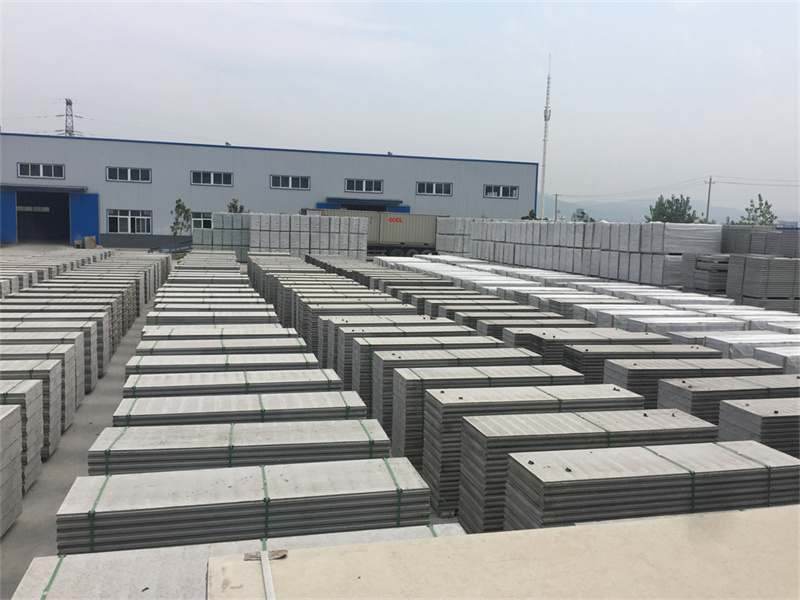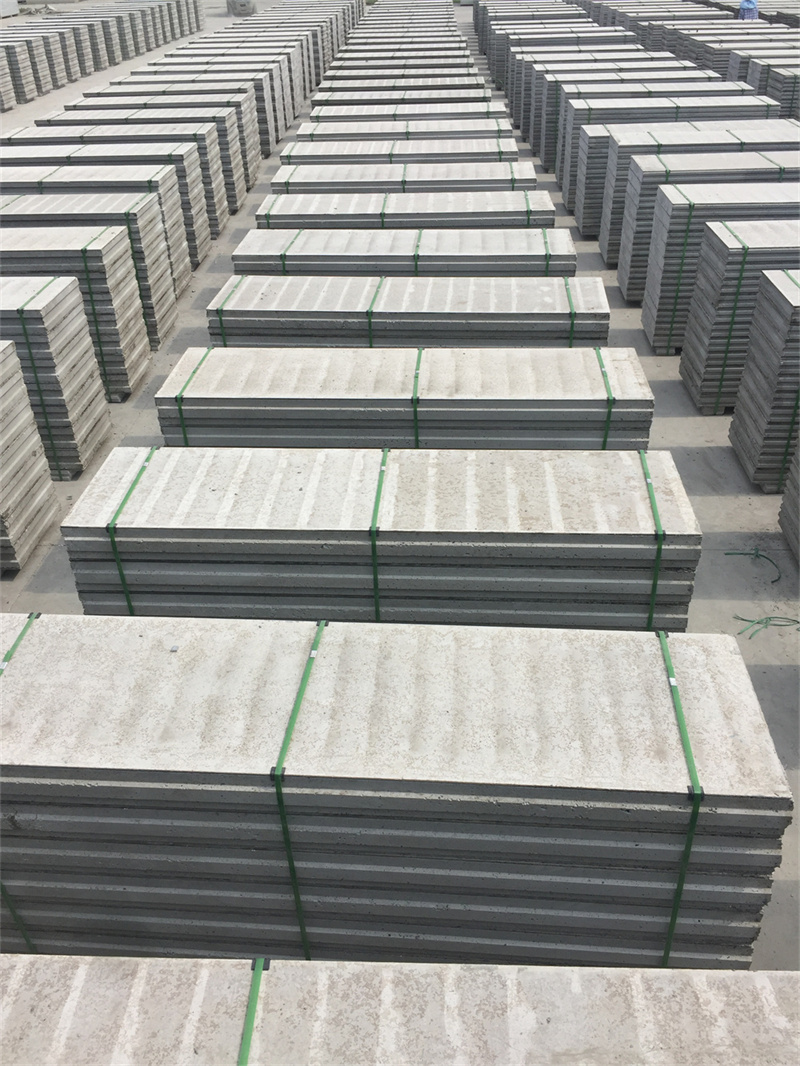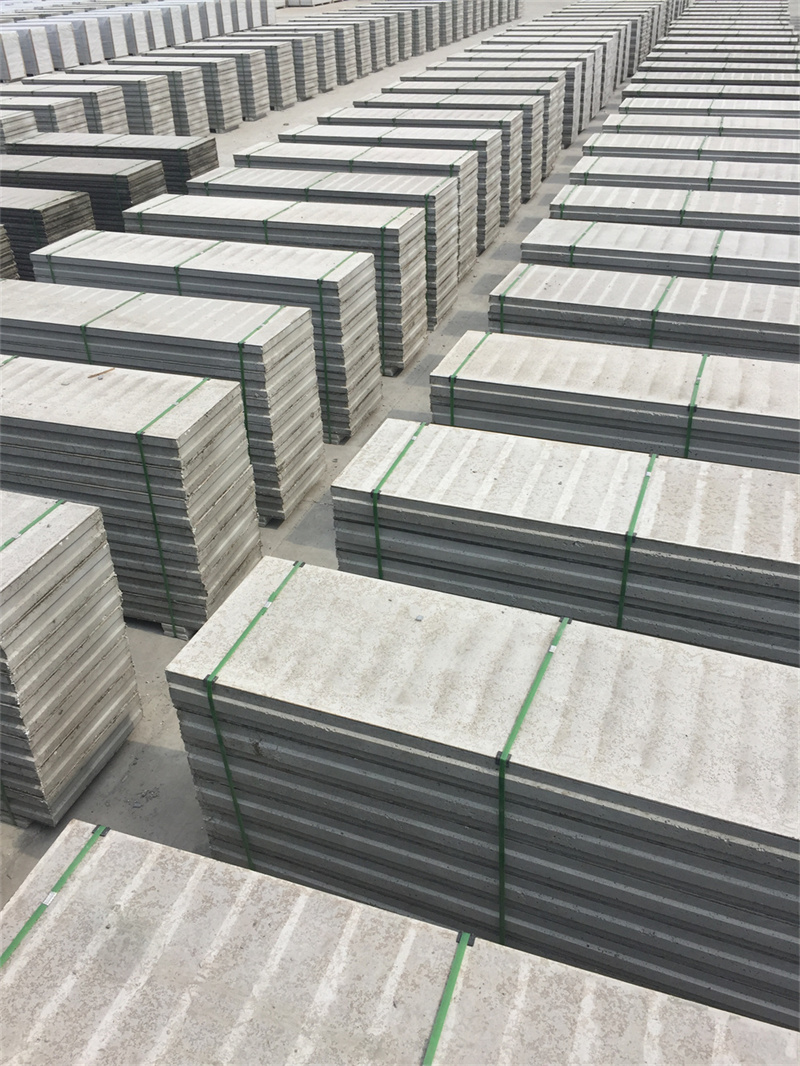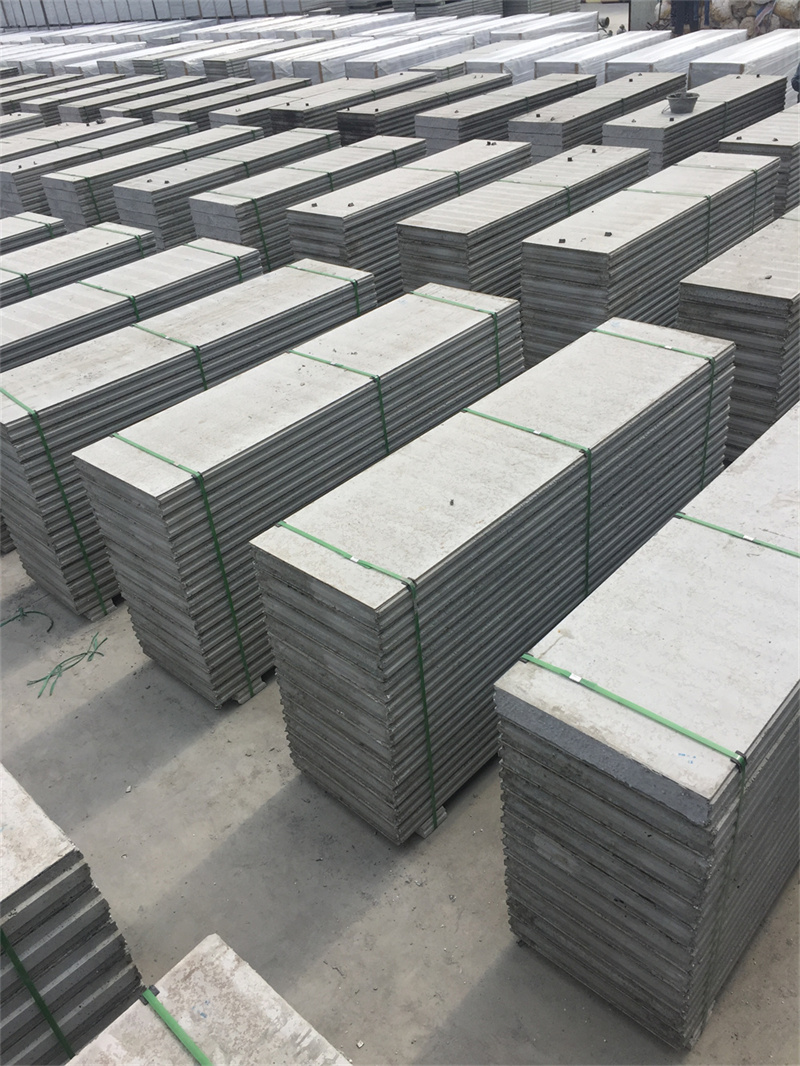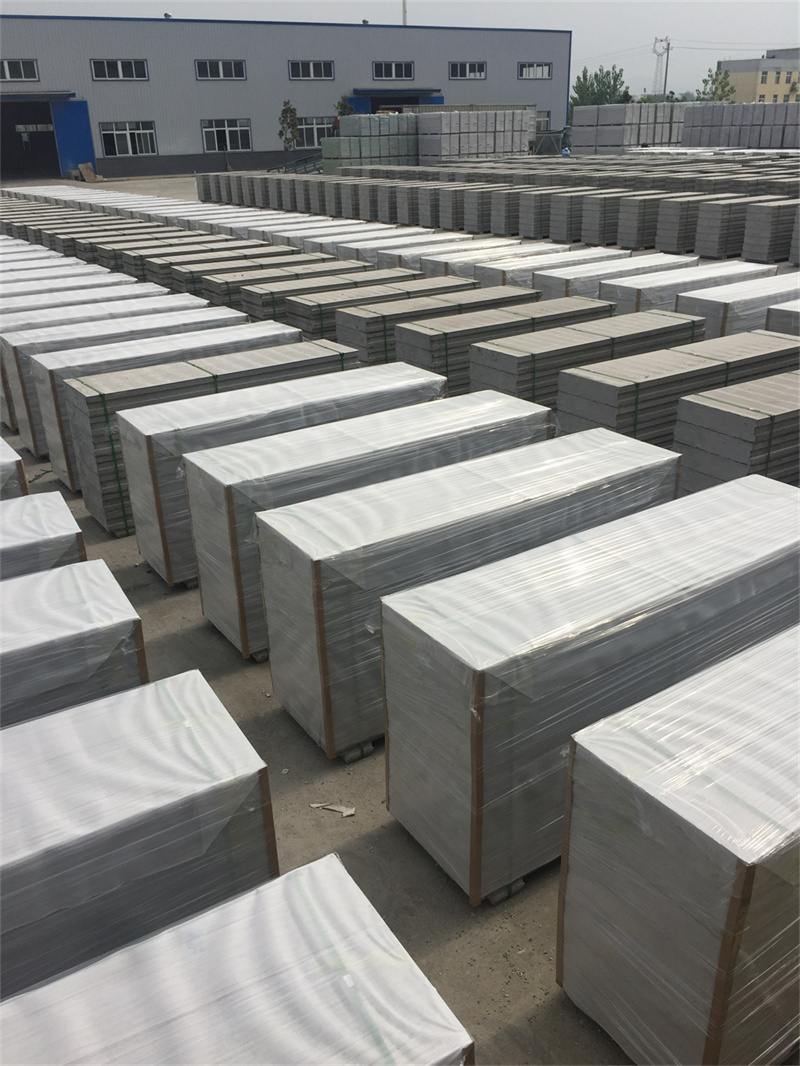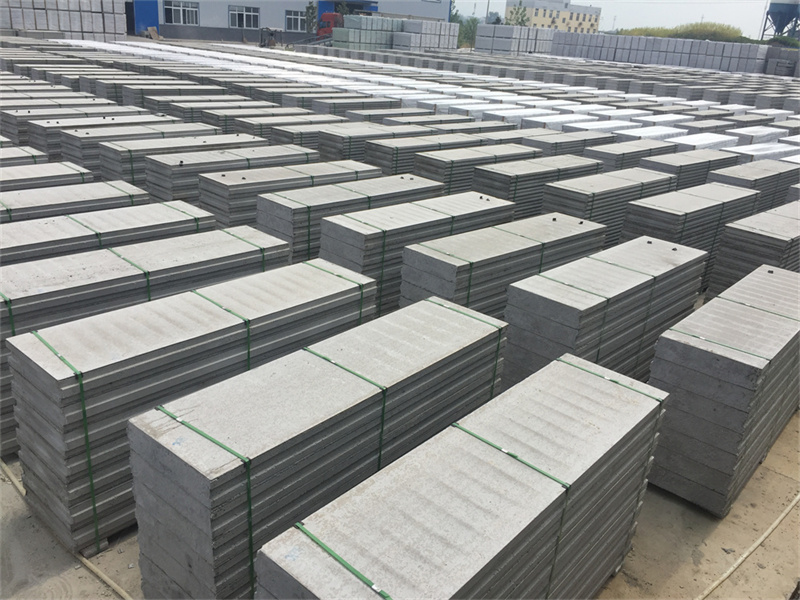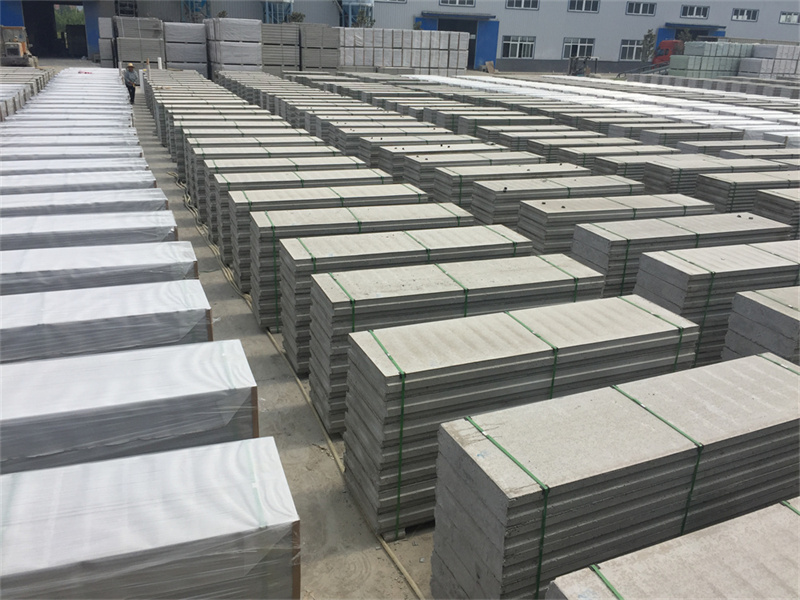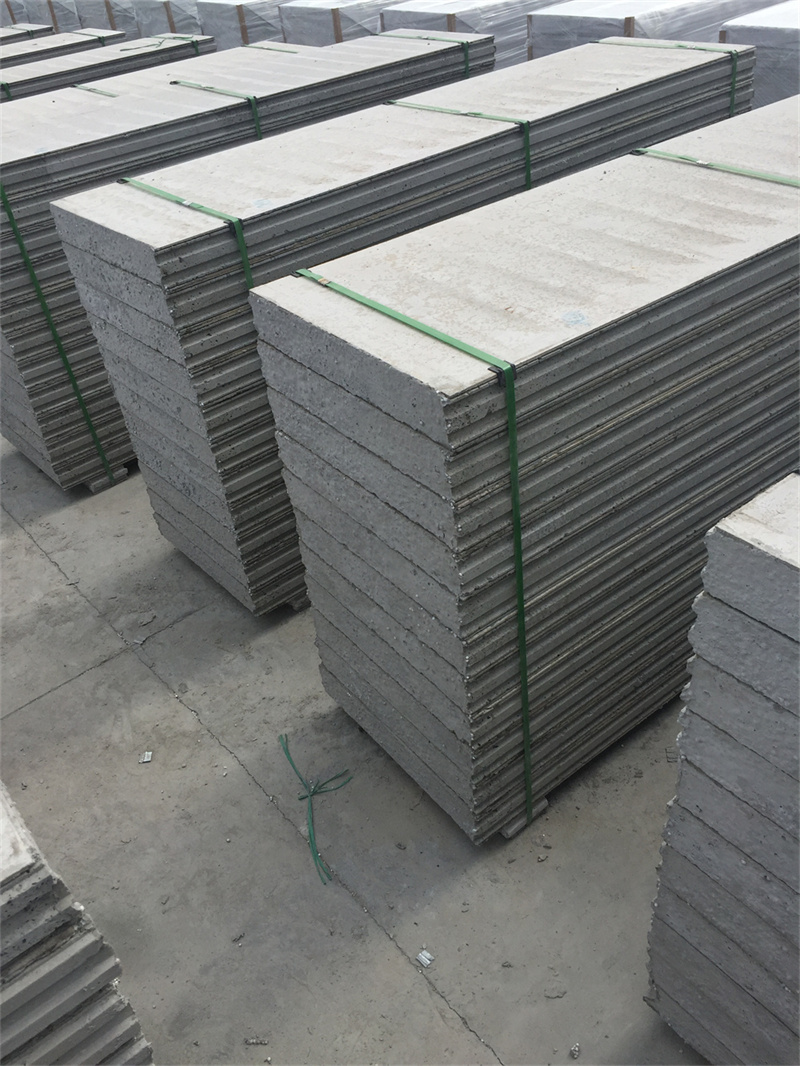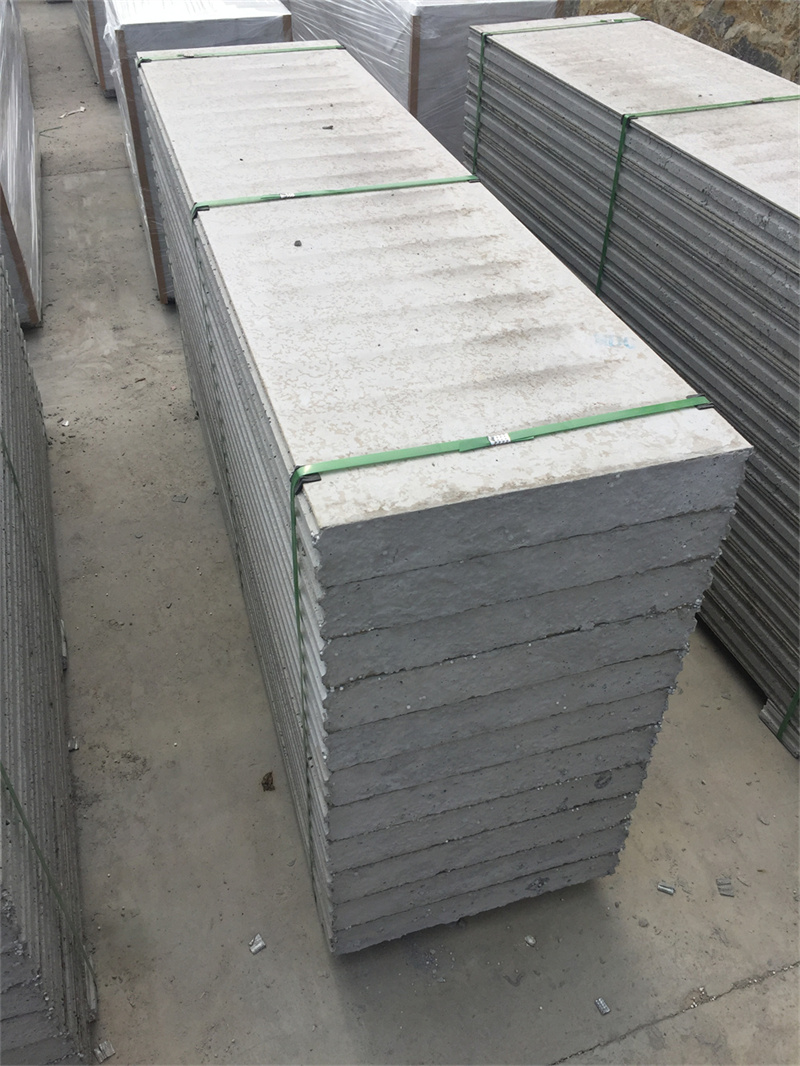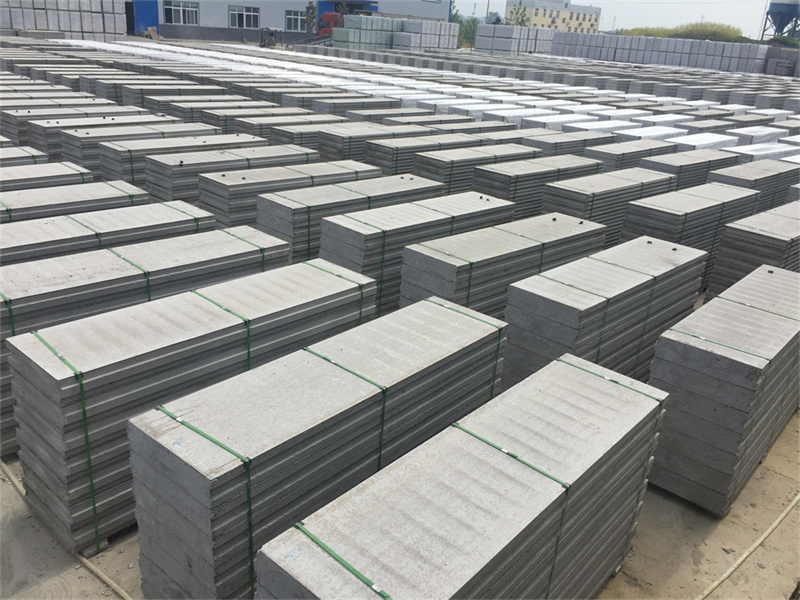
More and more manufacturing businesses are focusing on sustainable operations, reducing their carbon footprint, and building facilities that align with modern environmental standards, and the EPS Cement Sandwich Panel is one of the best materials you can choose to support these green goals during your next factory expansion. Unlike many traditional building materials that generate huge amounts of waste during production and installation, these panels are manufactured in a controlled, efficient process that minimizes material waste. Almost every part of the raw material is used in the final panel, and there is very little scrap leftover from the manufacturing process, unlike brick production which generates large amounts of unused broken waste product. When the panels arrive at your construction site, there is almost no on-site waste generated either. The pre-cut panels fit together perfectly, so you do not have piles of leftover broken bricks, empty cement bags, or construction debris that needs to be hauled off to a landfill. This drastically reduces the total amount of construction waste your expansion project produces, which is a huge win for your sustainability targets. The excellent thermal insulation performance of the EPS Cement Sandwich Panel also plays a major role in reducing the long-term carbon emissions of your factory. When your walls prevent unnecessary heat loss or heat gain, your heating and cooling systems use far less electricity or fuel, which directly cuts down the total energy consumption of your entire facility. Over the 20+ year lifespan of your factory walls, this energy saving adds up to a massive reduction in greenhouse gas emissions, making your entire manufacturing operation far more eco-friendly. These panels are also made with a high percentage of recycled materials, including fly ash that is a byproduct from power generation, which would otherwise end up in landfills. This turns an industrial waste product into a high-performance building material, creating a circular economy benefit that you can not get from many other wall options. The long lifespan and low maintenance requirements of the EPS Cement Sandwich Panel also support sustainability, because you will not need to tear out and replace your walls after just 10 or 15 years. A properly installed panel system can last for decades, which means you avoid the environmental impact of repeated renovation work, demolition waste and new material production. Even at the end of their very long usable life, many parts of these panels can be recycled or repurposed, instead of being sent to landfill. Choosing the EPS Cement Sandwich Panel for your factory expansion is not just a practical business decision, it is a clear step toward building a more sustainable, environmentally responsible manufacturing facility that matches the modern green standards your customers and stakeholders expect.
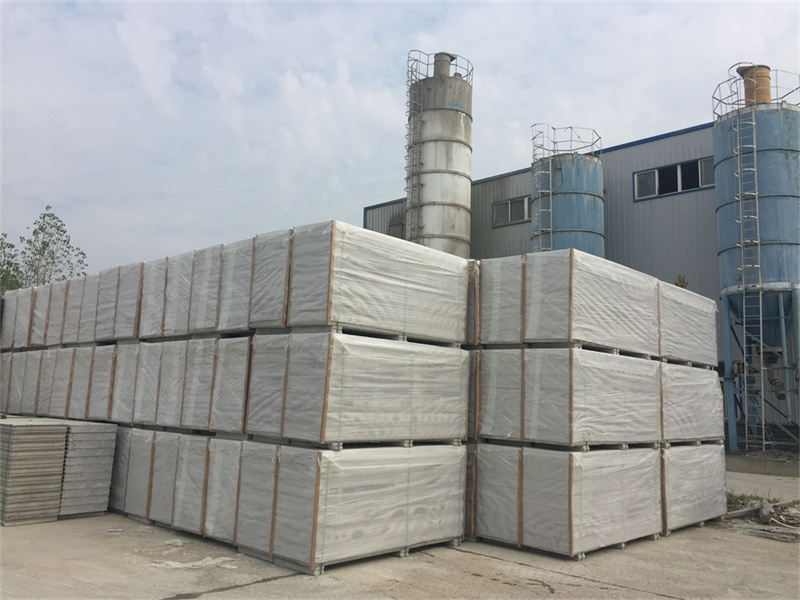
How to Choose the Right Thickness of EPS Cement Sandwich Panel for Your Factory Renovation
When you are planning a factory renovation, one of the most important decisions you will make is picking the correct thickness of EPS Cement Sandwich Panel for each different area of your facility. The right thickness will give you the perfect balance of insulation performance, strength, sound proofing and cost efficiency, while the wrong choice can leave you with a wall that does not meet your operational needs. The first thing you need to consider is what the main function of the wall will be. For external exterior walls of your factory, you will usually want to choose a thicker EPS Cement Sandwich Panel, in the 100mm to 150mm range. These thicker panels have a larger EPS foam core that provides much better thermal insulation, which is critical for keeping your entire factory space at a stable temperature, reducing your heating and cooling costs, and protecting your production equipment and materials from extreme outdoor weather. If your factory is located in an area with very hot summers or very cold winters, investing in a thicker exterior panel will pay for itself very quickly through lower utility bills. For internal partition walls that separate different production zones inside your factory, you can usually choose a slightly thinner panel, in the 75mm to 100mm range. These panels still provide more than enough structural strength, excellent sound insulation to block machinery noise between zones, and enough impact resistance to hold up against daily forklift traffic and industrial use. Thinner internal panels also take up less total space, which means you get more usable floor area inside your factory instead of wasting valuable square footage on thick, bulky traditional walls. If you are building special purpose zones, like a dedicated sound-proof testing room, a temperature-controlled cold storage area, or a high-security server room, you can go with an even thicker EPS Cement Sandwich Panel, up to 180mm, to get maximum insulation and sound blocking performance. It is also important to consider the local building code requirements in your area, as many regions have minimum thickness rules for fire safety and energy efficiency in industrial buildings. You should also think about what you will be hanging on the walls later. Even the thinner versions of the EPS Cement Sandwich Panel have strong cement facings that provide excellent screw holding capacity, so you can easily mount heavy equipment, industrial shelves, control panels and even large machinery brackets directly to the wall surface without needing extra reinforcement. By matching the exact panel thickness to the specific function of each wall in your renovated factory, you will create a space that is perfectly optimized for your operations, without wasting money on unnecessary extra material.
EPS Cement Sandwich Panel for Factory Expansion Meeting Modern Building Codes
Navigating local industrial building codes and safety regulations is one of the most complicated parts of any factory expansion project, and using materials that do not meet these standards can lead to costly delays, rejected inspections, and even expensive rework after your project is supposed to be finished. The EPS Cement Sandwich Panel is specifically engineered to meet and exceed most modern industrial building codes, making your entire approval and inspection process far simpler and more straightforward. Almost every local building code for industrial facilities has strict requirements for fire safety, because factories often store flammable materials, operate heavy heat-generating machinery, and have large numbers of workers on site. The EPS Cement Sandwich Panel is manufactured with non-combustible cement facings that meet high fire resistance ratings, which means it will slow the spread of fire, resist high temperatures for extended periods, and help your new expansion pass all local fire safety inspections easily. This is a huge advantage over many older, cheaper wall materials that have poor fire performance and often fail inspection on their first try. Modern building codes also increasingly focus on energy efficiency, requiring new industrial construction to meet strict minimum insulation standards to reduce overall energy consumption and carbon emissions. The EPS Cement Sandwich Panel has a consistent, high-performance EPS foam core that delivers excellent thermal insulation values, easily meeting or even exceeding these new energy code requirements. This means you will not have to add extra layers of separate insulation material to your walls to meet the rules, saving you both time and money during the construction process. Many local codes for factory expansions also have specific rules around structural weight, especially if you are adding new sections to an existing older building that was not originally designed to support extremely heavy loads. The EPS Cement Sandwich Panel is extremely lightweight compared to concrete, brick or block walls, so it puts far less stress on your existing foundation and building structure. This makes it much easier to meet local structural load requirements, and you will not need to pay for expensive, invasive foundation reinforcements that would otherwise add months to your project timeline. The panels also meet strict standards for water resistance, impact resistance and indoor air quality, so you will not run into unexpected issues during your final occupancy inspection. Choosing the EPS Cement Sandwich Panel for your factory expansion gives you peace of mind that your new space will meet every regulatory requirement, pass all inspections smoothly, and be fully compliant for many years of future operation.
Creating Flexible Work Zones in Your Factory With EPS Cement Sandwich Panel
Modern manufacturing businesses need to be able to adapt quickly to changing market demands, new product launches, and shifting production schedules, which means your factory layout can not be a permanent, fixed structure that never changes. The EPS Cement Sandwich Panel gives you the flexibility to create, reconfigure and adjust your internal factory work zones whenever you need to, without expensive, messy and time-consuming traditional construction work. When you use traditional brick or concrete walls to divide your factory, you are basically locking your layout in place for decades. If you later need to make a production zone larger, move a storage area, or add a new enclosed testing lab, you have to go through the entire process of demolishing the old wall, cleaning up all the debris, and building a brand new one from scratch. This costs a huge amount of money, takes weeks of work, and creates massive amounts of dust and disruption for your ongoing operations. The EPS Cement Sandwich Panel is completely different. These panels are installed using a simple, non-permanent mounting system that lets you build solid, stable partition walls that can still be modified, moved or even completely disassembled later, if your layout needs change. You can start by creating separate zones for different stages of your production line, so raw material handling, assembly, quality control, packaging and shipping all have their own clearly defined, separated spaces. This makes your entire workflow far more organized, reduces cross-contamination between different product batches, and helps your team follow standard operating procedures more easily. You can also use the EPS Cement Sandwich Panel to create dedicated temperature-controlled zones inside your factory. If you need a specific area that stays cooler for sensitive electronics production, or a warmer zone for specialized material processing, these panels will create the perfect insulated barrier to maintain that exact temperature, without affecting the rest of your factory space. You can even use them to build enclosed staff welfare areas, meeting rooms or small on-site offices right in the middle of your production floor, without noise or dust disrupting your team meetings. As your business grows and your production needs change, you can easily take down old partitions, move panels to new locations, and build entirely new work zones in a matter of days. This level of layout flexibility is almost impossible to achieve with any traditional building material, and it makes the EPS Cement Sandwich Panel an incredibly valuable tool for any factory that wants to stay agile and responsive in a fast-changing market.
EPS Cement Sandwich Panel The Ideal Material for Upgrading Old Factory Wall Systems
Many older factories that were built 20, 30 or more years ago still have original wall systems that were never designed to meet modern industrial standards for insulation, fire safety or noise control. If your factory still relies on these outdated walls, you are probably dealing with a long list of small, constant problems that eat away at your operational efficiency every day. The EPS Cement Sandwich Panel is the perfect solution to upgrade these old wall systems, without requiring you to completely demolish your existing building structure. One of the most common issues with old factory walls is poor thermal performance. Many older walls are made of single-layer concrete or uninsulated brick, which let heat pour out in the winter and flood in during the summer. This makes your factory extremely uncomfortable for workers, and forces your heating and cooling systems to work far harder than they were ever designed to. By adding the EPS Cement Sandwich Panel either as an interior retrofit or an exterior cladding layer, you can instantly give your old walls a full high-performance insulation upgrade. This transforms the temperature stability of your entire factory space, making it far more pleasant to work in and drastically cutting your monthly energy costs. Old factory walls also often have gaps, cracks and weak points that let in dust, pests and rainwater. Over time, this can lead to water damage, mold growth on stored materials, and even safety issues for your production team. The tight, seamless joints between EPS Cement Sandwich Panel sections create a continuous, solid barrier that seals out all these unwanted elements, keeping your factory space cleaner, drier and far more hygienic. Fire safety is another major concern for older industrial buildings. Many old wall materials do not meet modern fire code requirements, leaving your factory at risk of spreading fire quickly if an accident happens. The EPS Cement Sandwich Panel is designed with high-grade fire-resistant cement facings that meet strict industrial fire safety standards, slowing the spread of flames and giving your staff more time to evacuate safely in case of an emergency. Upgrading your old wall system with these panels also improves sound insulation, blocking out external traffic noise and containing the noise from your machinery inside designated production zones. All these upgrades work together to turn your outdated old factory into a modern, safe, efficient workspace that can compete with brand new industrial facilities.
Long Term Cost Savings of Choosing EPS Cement Sandwich Panel for Factory Expansion
When you are making a big investment in a factory expansion, it is easy to focus only on the upfront material costs and ignore the long-term expenses that will add up over the next 10, 20 or even 30 years of operation. The EPS Cement Sandwich Panel might surprise you with just how much total money it can save your business over the entire lifespan of your new factory space, far beyond the initial purchase price. The first and most obvious long-term saving comes from energy efficiency. The high-performance EPS core inside each panel has excellent thermal insulation properties that drastically reduce heat transfer through your factory walls. This means in the summer, the hot outdoor air stays outside, and your air conditioning system does not have to run nonstop to keep the production floor at a comfortable temperature. In the winter, the warm air generated by your heating system stays trapped inside, so you do not waste money heating empty outdoor space through poorly insulated walls. For a large factory, this can add up to thousands of dollars in reduced utility bills every single year, money that you can put back into upgrading your production equipment or hiring more staff. Another huge cost saving comes from reduced labor and construction time. Because the EPS Cement Sandwich Panel is prefabricated and easy to install, you do not need to hire a huge team of specialized skilled workers for long periods of time. Your construction crew can finish the wall installation work in a fraction of the time, which cuts down your total labor costs significantly and means your new factory space starts generating revenue for your business much earlier. These panels are also extremely low maintenance. Unlike traditional walls that crack over time, need frequent repainting, or develop mold and water damage in humid industrial environments, the EPS Cement Sandwich Panel is water-resistant, impact-resistant and built to last for decades with almost no upkeep. You will not need to spend money on regular wall repairs, re-plastering, or fixing water damage year after year. Even the structural savings add up: because these panels are so lightweight, you do not need to build an extremely heavy, expensive foundation for your new expansion, which cuts down your structural engineering and concrete costs right from the start. When you add all these savings together, it becomes clear that choosing the EPS Cement Sandwich Panel is not just a short-term construction decision, it is a smart long-term financial choice that will keep your factory operating profitably for decades.
How EPS Cement Sandwich Panel Reduces Downtime During Factory Renovation Work
One of the biggest fears every factory owner has when starting a renovation project is the long, unplanned downtime that can disrupt production schedules, delay customer orders and hurt monthly revenue. The good news is that the EPS Cement Sandwich Panel is specifically designed to minimize this kind of disruption, making it one of the most renovation-friendly building materials available for industrial facilities. Traditional renovation methods that involve breaking down old walls, mixing cement on site, and waiting for multiple layers of plaster and paint to dry usually force you to shut down large sections of your factory for weeks or even months. This creates huge scheduling headaches, as you have to rearrange production shifts, move equipment around, and find temporary storage for raw materials and finished goods just to keep basic operations running. When you choose the EPS Cement Sandwich Panel, almost all of the messy, noisy work happens off-site at the panel manufacturing facility. The only work that takes place inside your factory is the quiet, clean installation of the pre-finished panels, which generates very little dust, debris and loud noise. This means your production teams can continue working in nearby zones almost completely undisturbed, with only a small temporary barrier separating the renovation area from active workspaces. Many factory owners who have used these panels report that they were able to keep 80% or more of their regular production running throughout the entire renovation process, something that would be completely impossible with traditional wall construction. The fast installation speed of the EPS Cement Sandwich Panel also means the total renovation timeline is drastically shortened. A wall that would take a traditional masonry crew two weeks to build can be installed with these panels in just two or three days. This cuts the total length of your project from months down to weeks, so you can get your renovated factory space back into full operation much faster. Even better, once the panels are installed, they are ready for immediate use. You do not need to wait for long curing periods, and you can hang equipment, mount shelves, and move machinery into the new space right away. This almost zero wait time after installation is one of the biggest reasons that the EPS Cement Sandwich Panel has become the go-to material for factory renovations where keeping downtime to an absolute minimum is the top priority.
A Step by Step Guide to Using EPS Cement Sandwich Panel for Factory Expansion Projects
Planning a factory expansion requires careful coordination between design teams, construction crews and your in-house production management, and choosing the right wall material can make every step of this process far smoother. The EPS Cement Sandwich Panel is designed to fit perfectly into every stage of a well-organized factory expansion, from initial layout planning all the way through to final inspection and handover. The first step in any successful expansion is working with your architect to map out exactly what new spaces you need, whether that is additional production floor space, a larger raw material storage warehouse, or a new packaging and shipping zone. The great thing about the EPS Cement Sandwich Panel is that it comes in multiple standard thicknesses and dimensions, so your design team can easily adjust panel sizes to match your exact layout requirements, without being forced to work around the limitations of traditional building materials. Once your design is finalized, the panels are manufactured off-site in a controlled factory environment, which means production is not delayed by bad weather, material shortages or on-site construction conflicts. This prefabrication process also ensures every panel is consistent in quality, with uniform insulation performance, strength and surface finish, so you will not end up with uneven walls or inconsistent thermal performance across your new expansion area. When the panels arrive at your site, installation is straightforward and fast. Your construction team does not need to handle heavy wet concrete or lay thousands of individual bricks, they just position each panel, secure it in place, and make simple, tight joints between sections. This fast installation means you can get your new expansion weather-tight very quickly, protecting your new equipment and materials from rain or dust long before the project is fully completed. After installation, the EPS Cement Sandwich Panel requires very little finishing work. The smooth surface of the panel can be painted directly, or you can add protective industrial coatings to suit your specific factory needs, saving you even more time and money on post-construction work. By following this structured process, you can complete your entire factory expansion on schedule, within budget, and with a final result that meets all your operational and safety requirements.
Transforming Old Factory Spaces The Benefits of EPS Cement Sandwich Panel Renovation
If your existing factory has started to feel cramped, outdated or inefficient, a full renovation does not have to mean a complete tear-down and rebuild that drains your budget and stops production for months. Using the EPS Cement Sandwich Panel during your factory renovation project can completely transform your old workspace without the usual headaches of traditional construction. Many older factories suffer from poor temperature control, where summer heat makes the production floor unbearable and winter cold drives up heating costs to unsustainable levels. The EPS Cement Sandwich Panel solves this problem immediately, thanks to its excellent closed-cell insulation core that minimizes heat transfer through the walls. After installation, you will notice a clear difference in how stable the indoor temperature stays, even on extremely hot or cold days, which makes your working conditions far better for employees and cuts your long-term energy expenses. Renovating with the EPS Cement Sandwich Panel also gives you the chance to reconfigure your internal factory layout quickly. You can add new partition walls to separate different production zones, create dedicated staff break areas, or build enclosed storage rooms for sensitive materials, all without messy, time-consuming wet construction work. The panels are lightweight enough that they can be installed on upper floors or mezzanine levels without overloading your existing building structure, which is perfect if you want to make better use of vertical space instead of expanding outward. Another major benefit is the improved sound insulation that these panels provide. In an old factory, noise from heavy machinery often echoes across the entire floor, making communication difficult and creating a tiring environment for workers. The EPS Cement Sandwich Panel absorbs and blocks much of this industrial noise, creating quieter zones where your team can focus better, and even allowing you to set up office spaces right next to production areas without excessive noise disruption. The panels are also water-resistant and resistant to common industrial wear and tear, so they will hold up well against spills, frequent cleaning, and the daily movement of forklifts and equipment, keeping your renovated factory looking and performing great for years.
Why EPS Cement Sandwich Panel Is the Top Choice for Your Next Factory Expansion
When you are planning a factory expansion, every decision you make will affect the long-term performance, cost efficiency and daily operation of your new workspace. The EPS Cement Sandwich Panel has quickly become one of the most trusted materials for this exact kind of project, and for very practical reasons. Unlike traditional brick and block walls that require weeks of on-site mixing, curing and skilled masonry work, the EPS Cement Sandwich Panel comes prefabricated in standard sizes that fit most factory layout plans. This means your construction team can install entire wall sections in a fraction of the time it would take with conventional building methods, reducing labor costs and cutting down the overall project timeline significantly. For factory owners, this speed translates directly into less downtime for your existing production lines, because you do not need to shut down large areas of your facility for months while new walls are being built. The lightweight nature of the panel also means you do not need to invest in extremely heavy, expensive foundation reinforcements, which is a huge advantage when you are adding new sections to an already established factory structure. Beyond installation speed, the EPS Cement Sandwich Panel offers excellent thermal insulation that helps keep your expanded factory space at a consistent temperature all year round. This stability reduces the load on your heating and cooling systems, lowers monthly utility bills, and creates a much more comfortable working environment for your production staff. It also features strong fire resistance properties, which is a critical safety requirement for most industrial facilities, helping you meet local building codes and keep your operations compliant. Whether you are adding a new production wing, expanding your storage area, or creating a dedicated quality control lab, choosing the EPS Cement Sandwich Panel gives you a durable, cost-effective and high-performance solution that supports your factory growth for many years to come.