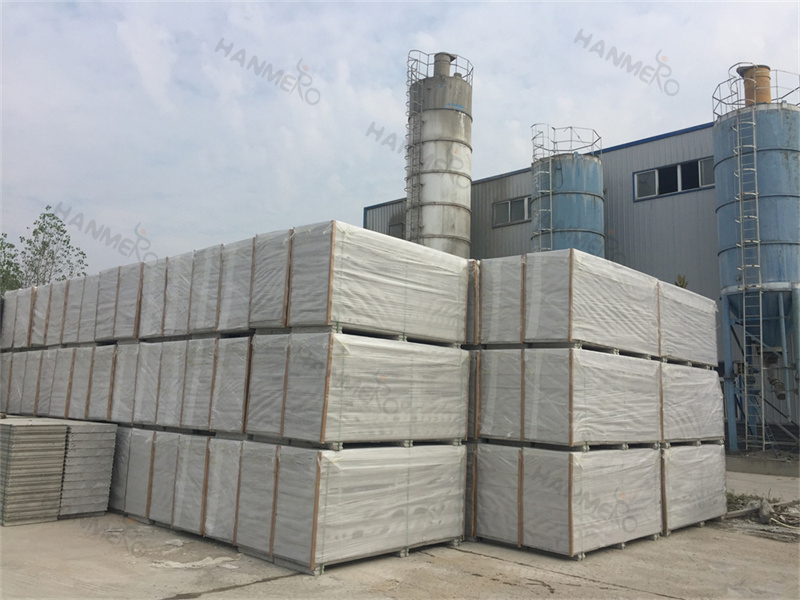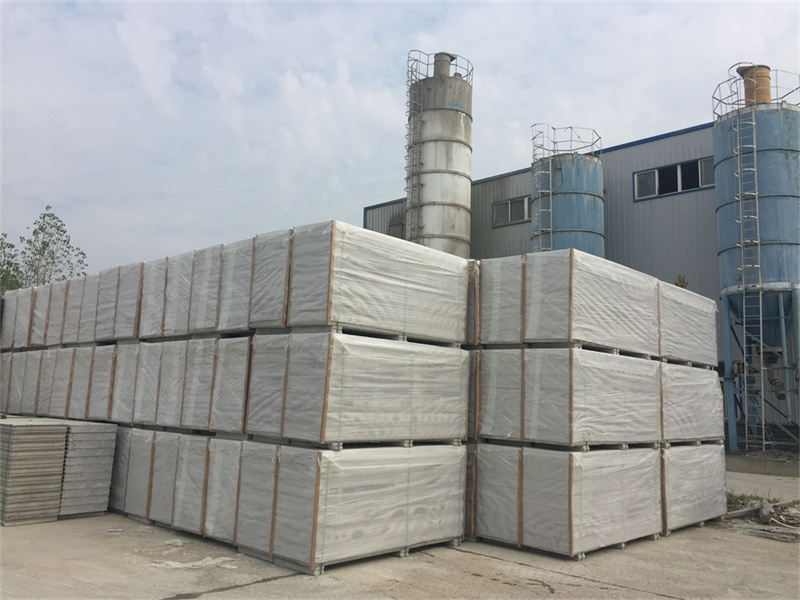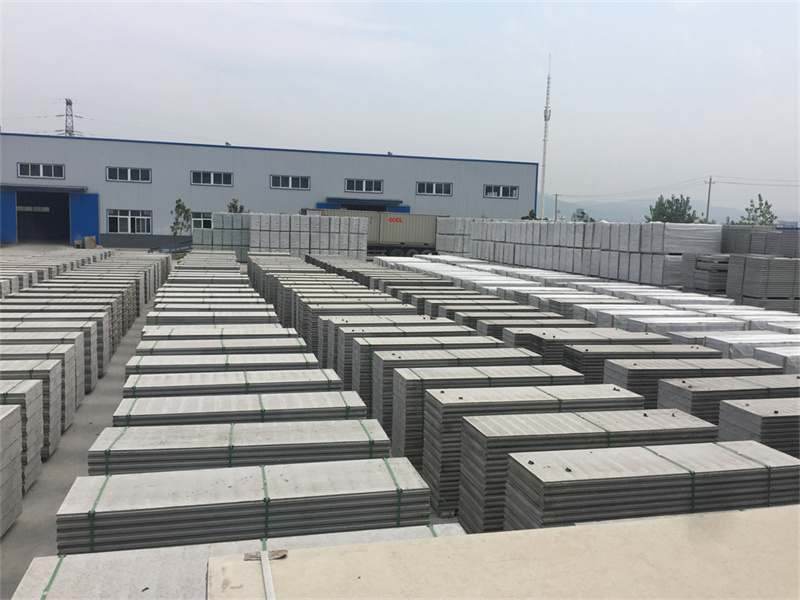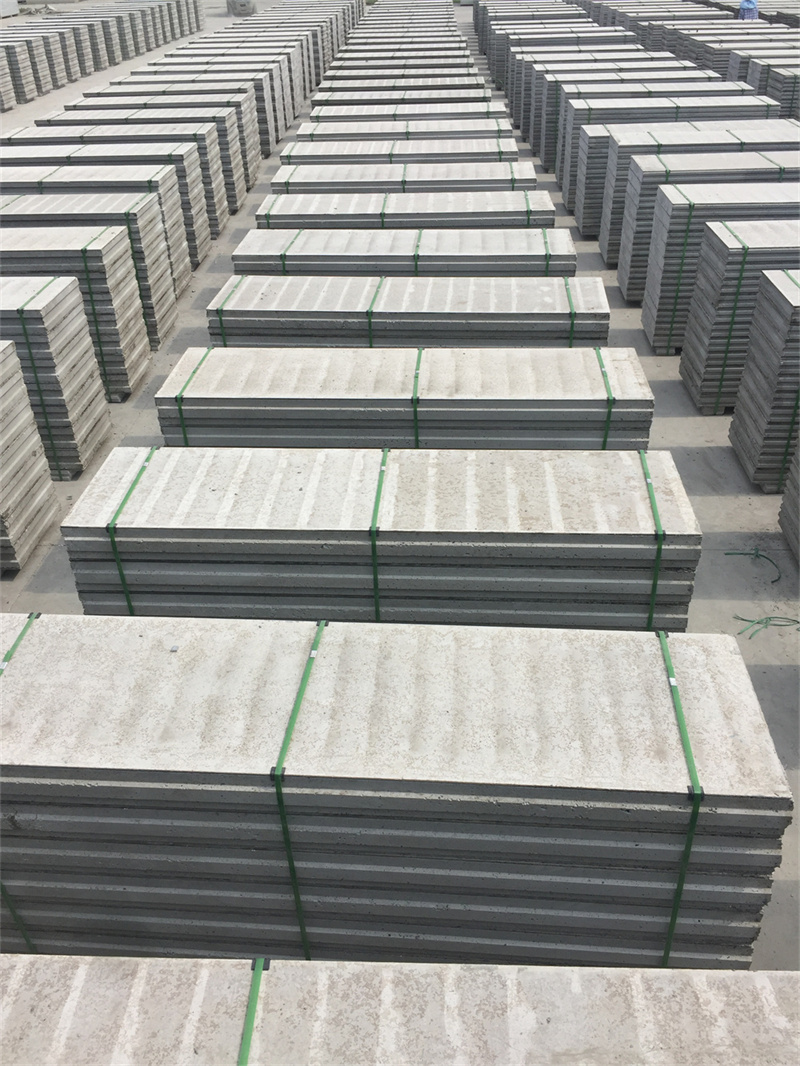
Tag: EPS Cement Sandwich Panel

Tag: EPS Cement Sandwich Panel

Why Hotels Are Rapidly Adopting EPS Cement Wall Panel for Renovation and New Builds

The hotel industry operates on two non-negotiable rules: minimize downtime during renovations, and guarantee guest comfort and safety 24 hours a day. This is exactly why more and more hotel owners are choosing EPS Cement Wall Panel for both full new hotel construction and partial room renovation projects, replacing outdated drywall and brick partition systems that used to cause endless headaches.

When a hotel decides to renovate its guest rooms, closing down entire floors for weeks at a time means losing thousands of dollars in potential room revenue every single day. Traditional wall renovation requires demolition of old walls, on-site plastering, long drying periods, and multiple rounds of sanding and painting, which can keep a floor out of service for 3 to 4 weeks. With EPS Cement Wall Panel, the entire process becomes a fast dry construction workflow. Old walls can be removed quickly, new pre-cut panels are installed in days, and the surface is ready for direct painting or wallpaper application almost immediately. This cuts total renovation time per floor down to less than one week, drastically reducing lost revenue and allowing the hotel to get rooms back into service much faster.

Guest safety is another top priority that EPS Cement Wall Panel excels at meeting. The panel’s non-combustible cement outer layers and specially treated core can resist high temperatures for 3 to 4 hours without structural damage or releasing toxic fumes. This meets the strictest local hotel fire safety codes, giving hotel owners full peace of mind that their property can pass all fire inspections easily. Unlike some lightweight wall materials that melt or produce harmful smoke when exposed to fire, these panels create a stable barrier that gives guests more time to evacuate in an emergency.

For hotel guests, the most noticeable improvement comes from the enhanced sound insulation that EPS Cement Wall Panel provides. Hotels located in busy city centers or near highways struggle with noise complaints between rooms and from public corridors. A 120mm thick EPS Cement Wall Panel blocks over 42dB of noise, meaning guests staying in adjacent rooms will not be disturbed by late night TV, shower noise or conversation. This directly leads to better guest reviews, higher average ratings and more repeat bookings, which is the most valuable return on investment any hotel owner can ask for.
How EPS Cement Wall Panel Solves Common Apartment Construction Headaches

Apartment construction has always been a balancing act for developers: you need to maximize usable space, hit strict delivery deadlines, meet local fire and sound insulation codes, and keep long-term maintenance costs under control all at the same time. For decades, traditional building methods have forced teams to make compromises in at least one of these areas, but the EPS Cement Wall Panel has changed that game completely.

The biggest pain point in traditional apartment projects is how much space internal partition walls waste. A standard 120mm brick wall with double-sided plastering takes up nearly 180mm of total thickness, which eats into the usable floor area that developers are trying to sell. By switching to a 100mm thick EPS Cement Wall Panel, projects can gain around 4 extra square meters of usable space for every 100 square meters of original floor area. For a 20-unit mid-rise apartment building, that adds up to nearly 80 extra square meters of salable space, which directly translates to higher revenue without expanding the building’s footprint.

Sound insulation is another non-negotiable requirement for apartments that traditional lightweight drywall systems often fail to meet. Tenants complain constantly about noise from adjacent units, and property managers end up dealing with endless maintenance requests after move-in. A 100mm EPS Cement Wall Panel delivers stable sound insulation performance of over 40dB, which effectively blocks normal conversation, TV audio and daily walking noise between units. This drastically reduces tenant disputes and improves overall resident satisfaction, making the property much easier to manage long term.

Construction speed is the third major advantage that makes EPS Cement Wall Panel perfect for apartment projects. Two experienced installation workers can put up 50 to 80 square meters of wall panels in a single working day, a speed that traditional bricklaying teams can never match. For a 10,000 square meter apartment project, this can cut the internal wall construction phase from 2 months down to just 2 weeks, allowing developers to hand over units to buyers far ahead of schedule and avoid costly late delivery penalties that come with traditional construction schedules.

Practical Scenarios Where EPS Cement Wall Panel Transforms Modern Construction

When developers and contractors talk about cutting construction timelines without compromising long-term performance, the EPS Cement Wall Panel almost always comes up as a top solution. This prefabricated composite material, made of fiber-reinforced cement outer layers and an expanded polystyrene core, has moved far beyond niche experimental projects to become a mainstream choice for all kinds of building scenarios.

One of the most obvious benefits that makes EPS Cement Wall Panel stand out is its adaptability across different project types. Unlike traditional brick walls that require on-site mixing, plastering and long curing periods, these pre-cut panels can be installed directly with dry joint methods, which cuts down on messy construction waste and reduces on-site labor demand by nearly 50 percent in most cases. For small to mid-sized projects that have tight delivery deadlines, this advantage alone can save weeks of construction time.

In practical use, the lightweight nature of EPS Cement Wall Panel also brings hidden benefits that many project owners do not notice at first. Because each panel is much lighter than a traditional concrete block, the overall load on the building’s foundation is significantly reduced. This means engineers can design a lighter foundation structure, which further cuts down material costs and shortens the foundation construction phase. Even for projects located in seismic zones, this lower weight helps improve the building’s overall earthquake resistance, making it a safer choice for high-risk regions.

The thermal insulation performance of EPS Cement Wall Panel also delivers long-term operational savings for building occupants. The closed-cell EPS core effectively blocks heat transfer between indoor and outdoor spaces, keeping interiors cooler in summer and warmer in winter without over-reliance on HVAC systems. Over the 60 to 70 year service life of the building, these energy savings can add up to a sum that far exceeds the initial small premium of choosing this modern wall material over traditional options.

Why EPS Cement Sandwich Panel Is Becoming the Top Choice for Industrial Warehouse Construction

Industrial warehouse and logistics center projects have very unique construction requirements: they need to be built extremely fast to start operation and generate revenue as soon as possible, they need large uninterrupted wall areas that are strong and durable, they need good thermal insulation to keep stored goods in good condition, and they need to keep total construction cost as low as possible. No other wall material on the market today meets all these requirements as perfectly as the EPS Cement Sandwich Panel, which is why it has become the top choice for new industrial construction projects across many regions in 2026.

The biggest advantage of EPS Cement Sandwich Panel for warehouse projects is its extremely fast installation speed. A standard 10000 square meter warehouse exterior wall can be fully installed by a small team in less than 2 weeks, while using traditional concrete block walls would take the same team more than 2 months to finish. This massive reduction in construction timeline means warehouse operators can finish their building, move in storage equipment and start accepting cargo many weeks earlier, generating hundreds of thousands of dollars in extra revenue that would otherwise be lost to long construction delays. The light weight of the EPS Cement Sandwich Panel also means the main steel structure of the warehouse can use lighter gauge steel sections, cutting total steel material cost by around 18% for large projects.

For temperature controlled warehouses that store food, pharmaceutical products or sensitive electronic goods, the excellent thermal insulation performance of EPS Cement Sandwich Panel keeps indoor temperatures stable with very low energy consumption for heating or refrigeration. Many cold storage warehouse operators report that switching to EPS Cement Sandwich Panel walls reduces their annual refrigeration energy cost by more than 35% compared to older warehouses built with metal sheet walls. The panel surface is also highly impact resistant, so it can stand up to minor bumps and scratches from moving forklifts and warehouse equipment without needing frequent repair. It is no surprise that more than 60% of new large industrial warehouse projects started in 2026 are now specifying EPS Cement Sandwich Panel as their primary wall material.


Long Term Maintenance Guide for EPS Cement Sandwich Panel Walls

The EPS Cement Sandwich Panel is designed to be an extremely low maintenance wall system that can deliver reliable performance for decades, but a small amount of simple regular care will help you avoid preventable issues and ensure your walls stay in excellent condition for more than 25 years after installation. Unlike natural wood walls that need regular repainting every 3 years or metal siding that can develop rust spots, the EPS Cement Sandwich Panel only requires very minimal attention to maintain its full structural and thermal performance.

The most important regular maintenance task for EPS Cement Sandwich Panel walls is a simple annual visual inspection. Once every year, walk along all exterior walls and check all the panel joints, sealant lines and the connection points between panels and window frames. Over time, exposure to extreme UV sunlight and seasonal temperature changes can cause small cracks to appear in the silicone sealant along panel joints. If you find any cracked or peeling sealant, simply remove the old sealant material, clean the joint surface thoroughly, and reapply new high quality weather proof silicone sealant. This quick and low cost step prevents rain water from seeping into the joint area, which is the only most common cause of long term wall issues.

For the painted surface of your EPS Cement Sandwich Panel walls, you only need to do a full repainting job every 8 to 10 years, which is 2 to 3 times longer than the repainting cycle required for traditional masonry walls. When you do need to repaint, you do not need heavy sanding or surface preparation, just clean the wall surface to remove dust and loose dirt before applying a new coat of exterior wall paint. You should never drill large random holes directly through the EPS Cement Sandwich Panel surface without checking the panel layout drawing first, to avoid damaging the main structural edge reinforcements inside the panel. If you follow these simple steps, you can expect your EPS Cement Sandwich Panel walls to maintain full performance for 30 years or longer.

How to Select a Reliable EPS Cement Sandwich Panel Supplier for Your Project

Choosing the right EPS Cement Sandwich Panel supplier is one of the most important decisions you will make for your construction project, as product quality consistency, on time delivery and after sales technical support will directly impact your installation speed, final wall performance and total project success. There are many different manufacturers selling EPS Cement Sandwich Panel today, and quality levels can vary extremely widely between different factories, so you need a clear evaluation system to separate reliable long term partners from low quality temporary suppliers.

The first step in your supplier evaluation process is to request full sets of third party test reports for their EPS Cement Sandwich Panel products, covering thermal conductivity, impact strength, fire resistance and water absorption. A trustworthy established manufacturer will always have these documents ready, and the test data on the reports should match the performance claims they make in their product introduction. If a supplier cannot provide independent third party test results, or the test data shows large variations from standard industry values, you should avoid working with them, as they are very likely cutting corners on raw material quality to reduce production cost.

Next, you should request to visit their production factory or ask for a full video tour of their production line. High quality EPS Cement Sandwich Panel manufacturing requires automated continuous lamination equipment that bonds the cement skins and EPS core together under consistent pressure and temperature. Factories using simple manual production processes often produce panels where the cement layers delaminate from the foam core after a few years of use, leading to costly wall repair work. You should also ask for references from their past completed projects that are at least 3 years old, and if possible contact the original construction team that used their EPS Cement Sandwich Panel to ask about real world long term performance. Finally, confirm that the supplier can provide on site technical installation guidance for your team, and can guarantee consistent delivery times that match your project construction schedule.

Fire Safety Performance of EPS Cement Sandwich Panel What You Need to Know

Fire safety is always the top priority for any construction material, and it is especially important for panel products that use foam insulation cores, so it is critical to get accurate, test backed information about the real world fire performance of EPS Cement Sandwich Panel before you select it for your project. Many people have outdated assumptions about EPS foam being highly flammable, but modern EPS Cement Sandwich Panel produced according to current industry standards goes through strict fire treatment processes that make it fully compliant with most national building fire codes.

The two outer layers of the EPS Cement Sandwich Panel are made of non combustible reinforced cement, which will not catch fire, burn or release toxic smoke even when exposed to direct high temperature flame. This means that the EPS foam core inside the panel is completely sealed and protected from open flame on both sides. When the panel is exposed to a building fire, the cement skins maintain their structural integrity for more than 2 hours in standard fire resistance tests, preventing fire and hot gas from spreading through the wall to adjacent rooms. High quality manufacturers also add flame retardant additives to the EPS core during production, so even if the core is exposed to extreme high temperature, it will melt slowly instead of sustaining active flame spread.

It is important to match the correct fire rated EPS Cement Sandwich Panel to your specific project type. For low rise residential buildings, the standard grade panel meets all local fire code requirements for exterior and interior partition walls. For commercial buildings, warehouses and public spaces, you can select the upgraded fire retardant grade EPS Cement Sandwich Panel that passes the 3 hour fire resistance test, which is accepted by most building safety departments for public occupancy spaces. You should always request the official third party fire test report from your supplier before purchase, to confirm that the product you are ordering meets the exact fire safety requirements specified in your local building permit documents.

Can EPS Cement Sandwich Panel Be Used for Bathroom and Wet Area Walls Safely

One of the most common questions construction teams and property owners ask about the EPS Cement Sandwich Panel is whether it can be safely installed in high moisture wet areas such as bathrooms, showers, kitchens and laundry rooms, where walls are constantly exposed to water splashes, high humidity and steam. Many people assume that any panel containing an EPS foam core will absorb moisture and degrade over time, but the actual real world performance of properly installed EPS Cement Sandwich Panel in wet areas shows completely different results.

The outer cement skins of a quality EPS Cement Sandwich Panel are produced with high density fiber reinforced cement that has a water absorption rate below 5% by volume, making it naturally resistant to direct water splash and daily high humidity. Unlike drywall that softens and loses structural strength after continuous exposure to moisture, the cement surface of the panel will not deform, swell or grow mold even when exposed to regular bathroom steam for many years. As long as you apply a standard waterproof membrane layer over the panel surface before laying tiles, the EPS Cement Sandwich Panel creates an extremely stable base for wet area wall finishing that performs far better than traditional moisture resistant drywall.

There are a few simple best practices you should follow to ensure long term performance when using EPS Cement Sandwich Panel in wet areas. First, when cutting panels to size on site, make sure all exposed cut edges are fully sealed with a thin layer of waterproof cement coating, so no moisture can reach the EPS core through the open edge. Second, leave a 10mm gap between the bottom of the lowest panel and the finished bathroom floor, and never let the panel sit directly in pooled water on the floor surface. Third, avoid drilling large unprotected holes through the panel in areas that are directly behind shower fixtures, where water pipes pass through the wall. When these simple steps are followed correctly, thousands of completed projects have proven that EPS Cement Sandwich Panel can deliver over 20 years of trouble free performance in bathroom and kitchen wet areas.

The Role of EPS Cement Sandwich Panel in Modern Zero Energy Building Projects

Zero energy buildings that produce as much renewable energy on site as they consume over a full year have moved from experimental demonstration projects to mainstream construction standards across many regions, and the EPS Cement Sandwich Panel has become one of the most important foundational materials making this large scale adoption possible. The entire design of a net zero building relies on minimizing unnecessary energy loss first, before adding solar panels and other renewable energy systems to offset remaining consumption. Without a highly efficient building envelope that stops almost all uncontrolled heat transfer, even the largest solar array will not be enough to help a project reach true zero energy status.

The EPS Cement Sandwich Panel creates an almost completely uninterrupted thermal barrier across the entire building exterior, eliminating the thermal bridging that wastes a huge amount of energy in conventional wall systems. In traditional framed wall construction, every metal stud that runs from the inside to the outside of the wall creates a direct heat path that can account for up to 30% of total building heat loss in winter. Since the EPS Cement Sandwich Panel uses continuous cement skins bonded firmly to the EPS core, there are no metal studs running through the panel itself, so thermal bridging across the wall surface is reduced to nearly zero. This consistent insulation performance means building designers can accurately calculate annual energy consumption with very small margins of error, which is critical for zero energy project planning.

Many recently completed zero energy residential and commercial projects have reported that using EPS Cement Sandwich Panel for all exterior walls allowed them to reduce their total required solar panel capacity by 22% compared to projects using traditional wall systems. This directly cuts the high upfront cost of the renewable energy system, making zero energy buildings financially accessible for far more developers and property owners. The panel also supports other sustainable design goals: it contains no volatile organic compounds during operation, can be partially recycled at the end of its long service life, and its production process generates 60% less carbon emission per square meter than the manufacturing of equivalent clay bricks.

EPS Cement Sandwich Panel Vs Traditional Brick Wall A Full Performance Comparison

When choosing exterior wall materials for your next construction project, it is important to make an objective data backed comparison between the EPS Cement Sandwich Panel and the traditional clay brick wall that has been used for decades in the industry. Both materials can create a functional wall structure, but their performance across 8 key practical metrics shows very large differences that directly impact total project cost, building comfort and long term sustainability.

In terms of raw structural performance, a standard 120mm thick EPS Cement Sandwich Panel achieves a uniform impact resistance rating that matches a 240mm thick solid clay brick wall, while weighing only one fifth of the brick wall’s total weight. This huge weight reduction means the building’s foundation and main steel frame do not need to be engineered to carry extra dead load, allowing engineers to reduce the size of structural steel members and foundation concrete volume by 25% for multi story projects. The traditional brick wall on the other hand adds very high static load to the whole building structure, requiring much heavier and more expensive structural support systems.

Thermal insulation performance creates an even larger gap between the two materials. The EPS Cement Sandwich Panel has a thermal conductivity rating of 0.032 W/mK, while the solid clay brick wall sits at around 0.8 W/mK. This means heat transfers through a brick wall 25 times faster than through the EPS Cement Sandwich Panel. Even if you add a separate 50mm insulation layer to the brick wall, it still cannot match the consistent thermal performance of the single integrated EPS Cement Sandwich Panel unit. In terms of construction speed, a team of 4 workers can install over 50 square meters of EPS Cement Sandwich Panel wall in a single 8 hour work day, while the same team can only complete around 8 square meters of brick wall work in the same time period. When you add up all factors including material cost, labor, structural investment and 10 year energy operating expenses, the EPS Cement Sandwich Panel delivers almost 40% better total value than the traditional brick wall solution.